

Earliest Cosmic Magnetic Fields Were as Weak as Brain Waves
The early Universe contained extremely weak magnetic fields that influenced the formation of cosmic structures. Recent simulations provide tighter constraints on just how strong these fields could have been.
Magnetic fields emerging in the Universe’s earliest moments were billions of times weaker than a typical fridge magnet, with strengths comparable to those produced by neurons in the human brain. Despite their faintness, traces of these fields can still be observed in the cosmic web—the vast network connecting galaxies.
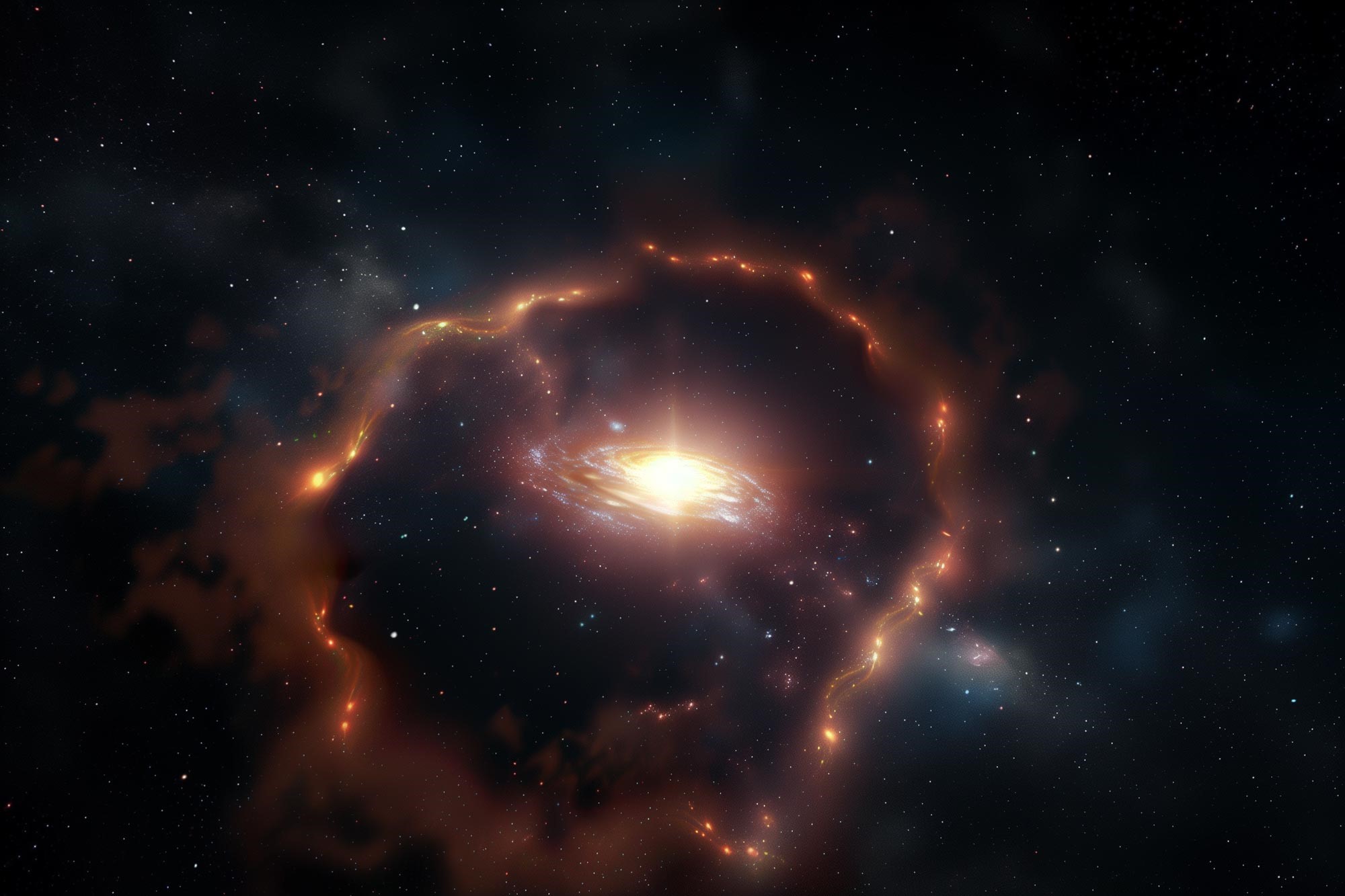
Figure 1. Infant Universe Magnetic Fields Were Ultra-Weak but Detectable
This finding comes from a study using around 250,000 computer simulations conducted by researchers at SISSA (Trieste) in collaboration with teams from the Universities of Hertfordshire, Cambridge, Nottingham, Stanford, and Potsdam. Supported by observational data and published in Physical Review Letters, the work sets both potential and upper limits on primordial magnetic field strengths and sheds new light on processes that shaped the first stars and galaxies. Figure 1 shows Infant Universe Magnetic Fields Were Ultra-Weak but Detectable.
The Universe’s Magnetic Web
“The cosmic web—a vast network of filaments connecting galaxies—remains largely unexplored. One puzzling aspect is its magnetization, which occurs not only near galaxies, where it might be expected, but also in the sparsely populated regions that make up most of the web,” explain Mak Pavičević, a SISSA PhD student and lead author, and his supervisor Matteo Viel.
The team hypothesized that this magnetism could be a remnant of processes from the Universe’s earliest epochs, potentially arising during cosmic inflation or later phase transitions. Their study aimed to determine the strength of these primordial magnetic fields, establishing upper limits and providing insight into their role in shaping the early Universe.
Probing the Universe’s Origins with 250,000 Simulations
An international team ran over 250,000 computer simulations to study the cosmic web and the impact of primordial magnetic fields. Vid Iršič from the University of Hertfordshire, a co-author, describes them as the most extensive and realistic simulations to date examining these effects on the intergalactic web.
Lead author Mak Pavičević and supervisor Matteo Viel note that comparing the simulations with observational data confirmed their hypotheses. Including primordial magnetic fields alters the cosmic web in ways that align more closely with observations. Specifically, a standard cosmological model incorporating an extremely weak magnetic field of about 0.2 nano-gauss matches the experimental data best.
Primordial Magnetic Fields: Establishing a New Upper Limit
The researchers have determined an exceptionally low value for the strength of primordial magnetic fields, setting a new upper limit several times lower than earlier estimates.
Pavičević and Viel note that their findings place stringent constraints on magnetic fields from the Universe’s earliest moments and align with independent studies of the cosmic microwave background [1]. They explain that these fields would have increased the density of the cosmic web, accelerating star and galaxy formation, and that future observations with the James Webb Space Telescope could further confirm their results.
Vid Iršič adds that these new limits not only clarify the role of primordial magnetic fields in cosmic evolution but also have significant implications for theoretical models of structure formation.
Reference:
- https://scitechdaily.com/universes-first-magnetic-fields-were-as-weak-as-human-brain-waves/
Cite this article:
Janani R (2025), Earliest Cosmic Magnetic Fields Were as Weak as Brain Waves, AnaTechMaz, pp.550
Recent Post
-
Webb Telescope Spots Uranus’ 29th Moon Missed by Voyager 2 Nearly 40 Years Ago
NASA’s James Webb Space Telescope has uncovered a previously...
-
Small Magnets, Big Impact: A Low-Power Breakthrough for Space Oxygen Generation
Who would have thought a simple magnet could help solve one of..
-
Moon Formation Spotted Around Wandering Planets Drifting Through Space
Free-floating planetary-mass objects — giant, starless bodies....
-
US Classified Military Space Plane Set for New Mission with Hidden Objective
A secret space plane is set to embark on its new mission. The X-37B....
-
NASA’s Space Solar Designs May Cut Battery Use by 70% and Increase Power Output
A new study led by King’s College London suggests that...
-
NASA Spots New Interstellar Object Entering Solar System: Alien Probe Possible?
On July 1, astronomers observed a fast-moving object heading toward....
-
Perseverance Rover Uncovers Possible First Evidence of Life on Mars
A rock sample called “Sapphire Canyon,” taken from the Bright....
-
Physicists Say Black Hole May Explode Within This Decade with 90% Probability
Physicists have traditionally believed that black holes end their lives....
-
Planetary Collisions May Reveal Clues to Alien Habitability
Researchers at Southwest Research Institute, in collaboration with Yale University, have published a....
Earliest Cosmic Magnetic Fields Were as Weak as Brain Waves
Magnetic fields emerging in the Universe’s earliest moments were billions of times weaker than a....
-
Solar Flares Are 6.5 Times Hotter Than Previously Estimated
Researchers at the University of St Andrews have found that particles in solar flares can become up to 6.5.....
-
The Milky Way’s Habitable Zone May Be Larger Than Previously Believed
The Galactic Habitable Zone (GHZ)—the area of a galaxy considered....
-
Researchers Discover Stark Differences Between the Moon’s Near and Far Sides
New insights from China’s Chang’e 6 mission suggest that the....
-
AI Uncovers Hidden Martian Storms Blasting Across the Planet At 160 Km/H
Mars may look calm and lifeless from a distance, but new research...
-
NASA’s Terra Satellite Detects Strength of Tropical Storm 07W from the Side
Wind shear can push clouds and thunderstorms away from...