

Harnessing Bolide Sonic Booms to Enhance Planetary Defense
Faint sonic booms from space help scientists track incoming debris—but an object's path is more important than it might seem.
Earth gains mass every year as space dust constantly settles on its surface, adding thousands of metric tons annually. Alongside this, about 50 tons of meteorites fall to Earth each year. Since the 1960s, pieces of defunct space equipment have also occasionally reentered the atmosphere, falling from the expanding cloud of orbital debris.
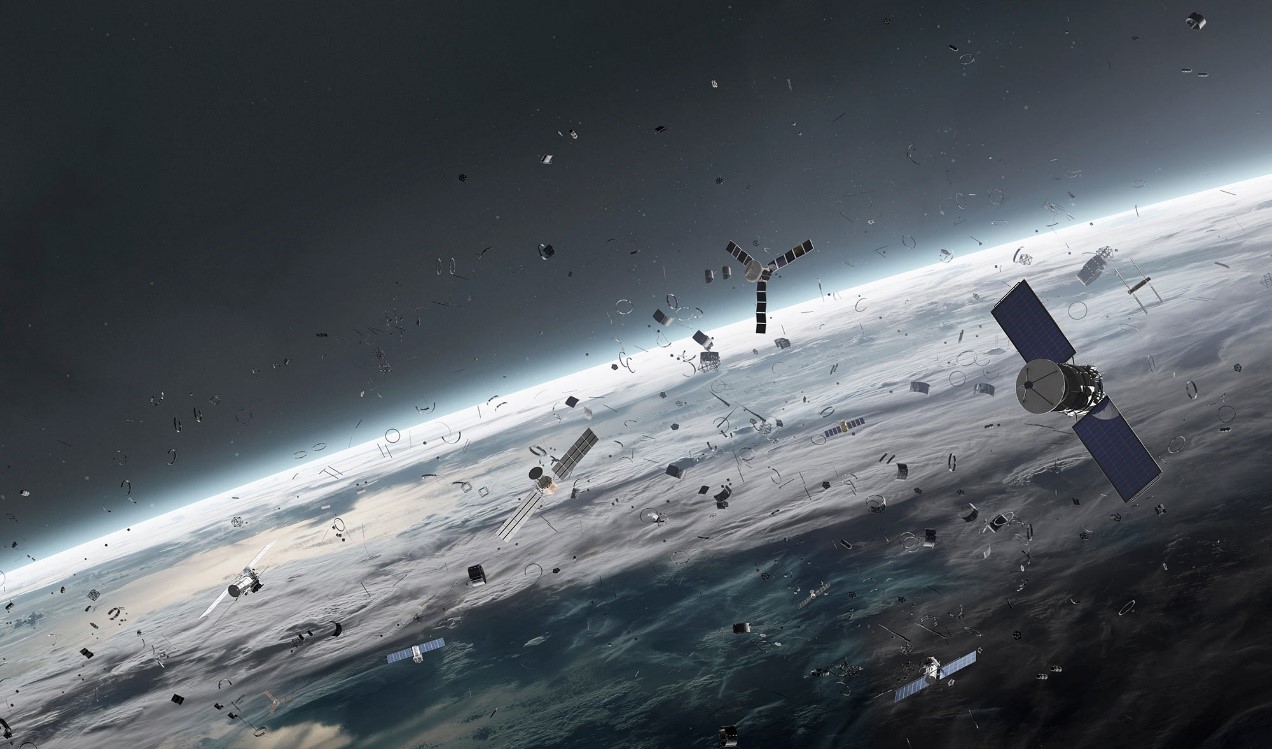
Figure 1. Bolides Tracked by Global Infrasound Sensors
This includes fragments of launch vehicles, tools lost during spacewalks, inactive satellites, and other objects hurtling through low Earth orbit at nearly 18,000 mph. Whether natural meteoroids or human-made space debris, once these objects enter Earth’s atmosphere, scientists track their paths to predict where they might land. Figure 1 shows Bolides Tracked by Global Infrasound Sensors.
Do they fall straight down or travel at an angle before landing? At a recent European Geosciences Union meeting, Elizabeth Silber of Sandia National Laboratories discussed how infrasound sensors—devices that detect sound waves below human hearing—can monitor bolides. These bright flashes and sonic booms occur when large meteoroids explode high in the atmosphere, releasing powerful shock waves that travel as infrasound over thousands of kilometers.
Why Bolides Challenge Sound Detection
The challenge with bolides is that they aren’t single, stationary explosions—they move through the atmosphere, continuously producing sound along their path. This movement complicates detection, especially when objects enter at shallow angles. In such cases, infrasound sensors in different locations may pick up signals from multiple points along the trajectory, making it harder to pinpoint the exact origin.
To address this, Elizabeth Silber used data from the global infrasound sensor network operated by the Comprehensive Test Ban Treaty Organization (CTBTO), which monitors for illicit explosions but also captures sounds from events like thunder, jets, and bolides. Focusing on the geometric aspects of bolide signals, Silber found that steep entry angles—greater than 60°—allow for accurate trajectory analysis [1]. However, when bolides enter more horizontally, the uncertainty in determining their path increases significantly.
Why Bolide Sounds Occur Over Time, Not All at Once
“Infrasound from a bolide is more like a sonic boom spread across the sky rather than a single explosion,” Silber explains. “It’s essential to recognize that the sound is produced continuously along the object's flight path.”
This study underscores the importance of factoring in an object’s trajectory when analyzing infrasound data. Silber emphasizes that infrasound sensors play a vital role in planetary defense, and these insights also apply to tracking space debris around Earth. Without knowing an object’s path, it becomes much harder to prepare for its impact or arrival.
Reference:
- https://scitechdaily.com/sonic-booms-in-the-sky-how-scientists-use-bolides-to-improve-planetary-defense/
Cite this article:
Janani R (2025), Harnessing Bolide Sonic Booms to Enhance Planetary Defense, AnaTechMaz, pp.447
Recent Post
-

Scientists Uncover Strange Earth-Like Patterns in Mars Soil
Wave-like formations on Mars offer insights into the planet’s icy past, its potential to support life...
-
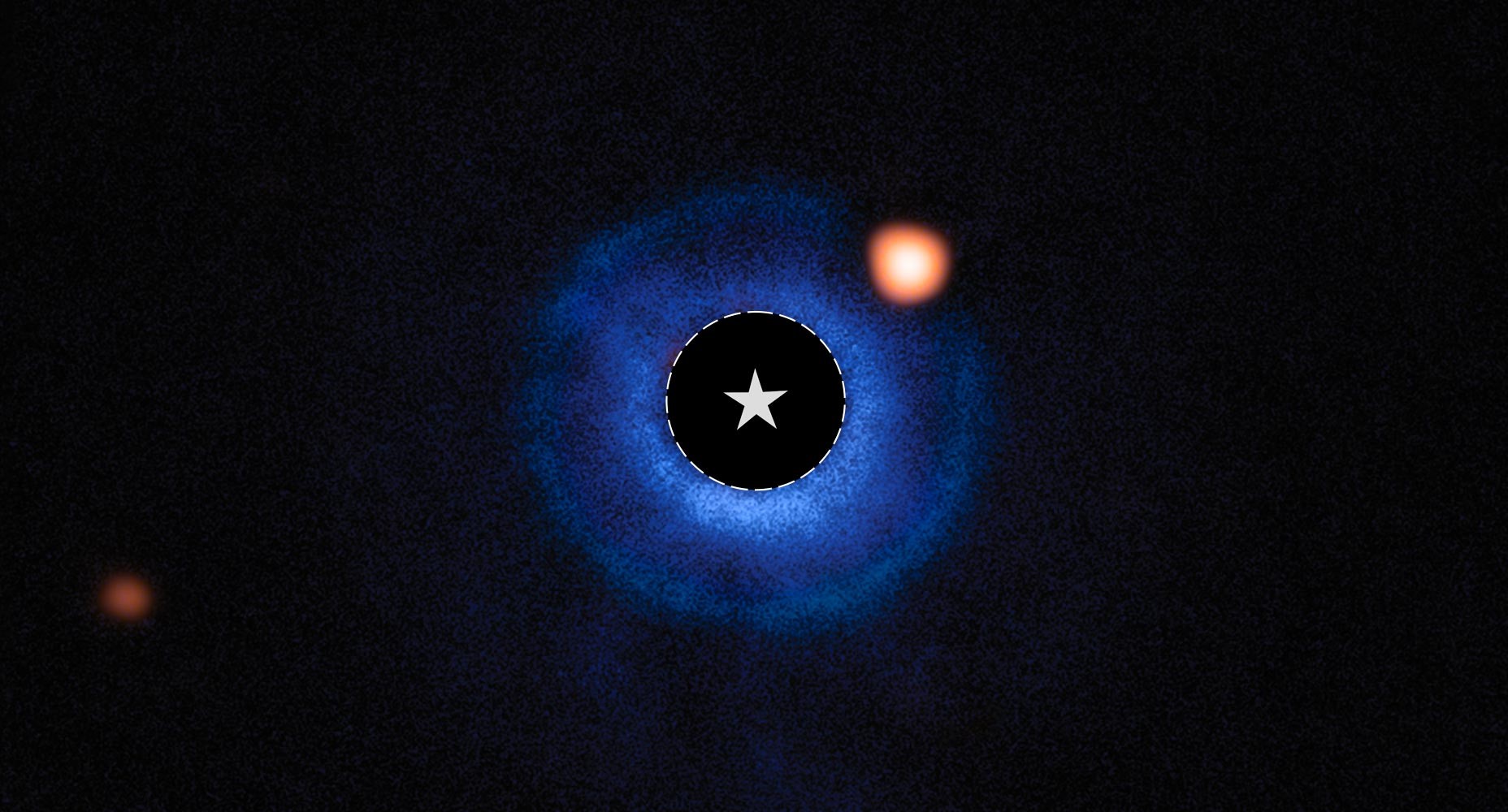
Webb Snaps First Direct Image of Exoplanet Shaping Cosmic Rings
This newly discovered planet marks Webb’s first direct image of an exoplanet. With nearly 6,000...
-

Astronomers Detect the Universe’s Long-Hidden Matter
Astronomers have discovered a massive filament of hot gas linking four galaxy clusters...
-

Hubble Captures Triple Suns and Hidden Planet Factory in Blue Nebula
Illuminated by scattered starlight, this vibrant blue nebula...
-
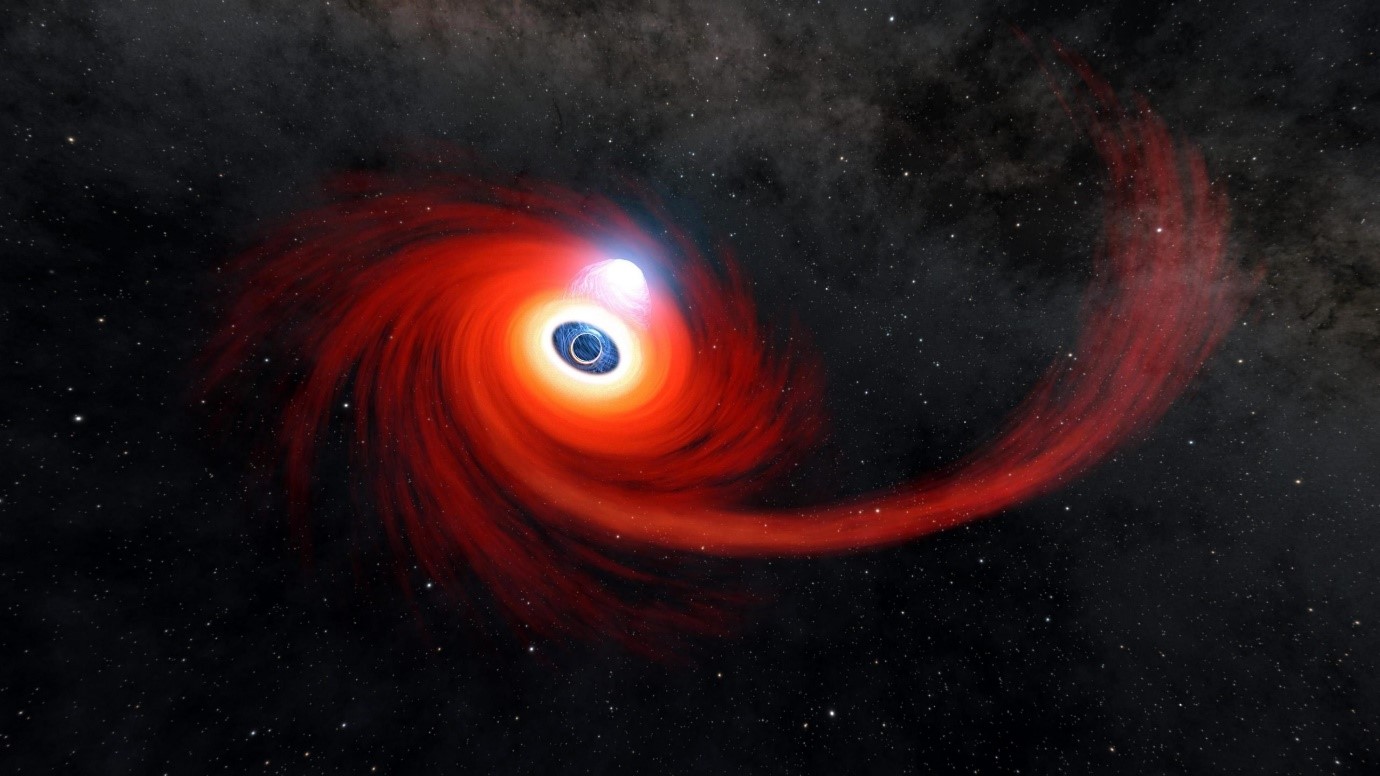
Star-Shredding Blast: NASA Unveils Brightest Black Hole Eruption Since the Big Bang
Supermassive black holes usually remain hidden, but when a star....
-
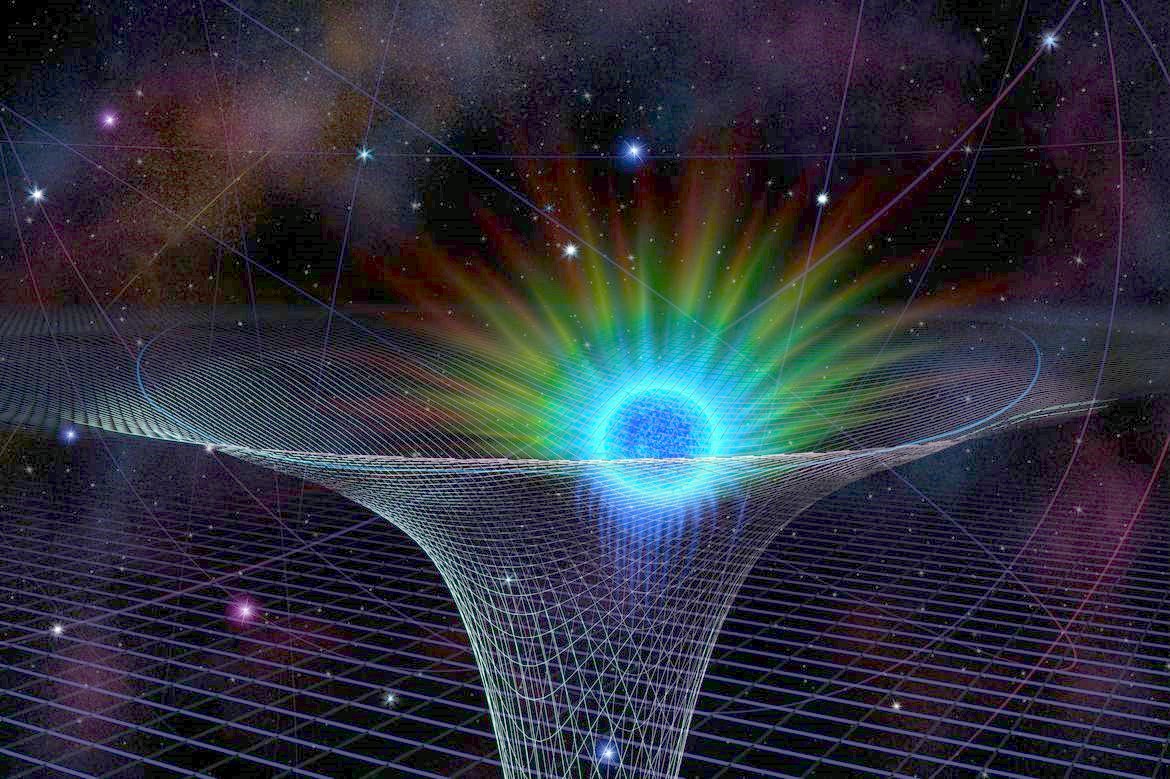
Space Emerging from Time? New Theory Challenges Einstein
A daring new theory proposes that time isn’t just a single linear flow but a three-dimensional fabric from which space....
-

Astronomers Find Hidden Earth-Like Planets Around Nearby Dwarf Stars
Research on 15 M-type stars has uncovered fresh insights into the...
-
Researchers Reveal Galactic Map Unlocking New Insights into the Extreme Universe
A groundbreaking survey from China’s Large High Altitude Air Shower...
-
Cosmic Feast: Massive Star Caught Rapidly Consuming Surrounding Gas
Astronomers have, for the first time, observed the massive gas inflow...
Lasers, Gas Bursts, and Hidden Water: How Perseverance Broke Through Mars’ Tough Rocks
NASA’s Perseverance rover recently tackled a tough Martian rock known...
-
Hidden Rings Around Young Stars Offer Earliest Clues to Planet Formation
High-resolution views of 78 young star disks in the Ophiuchus cloud have...
-
Harnessing Bolide Sonic Booms to Enhance Planetary Defense
Faint sonic booms from space help scientists track incoming debris—but an object's path is more important than it...
-
Earth’s Weather Satellites Reveal Venus’s Fiery Secrets
The future looks bright for long-term planetary monitoring across various wavelengths. Researchers at the...
-
Martian "Spiderwebs" Unveiled in Curiosity's Striking 360° Panorama
NASA’s Curiosity rover has created a stunning 360° color-balanced...
-

Sky Spectacle Ahead: Mars Glows, Venus Shines, and an Eagle Soars
July’s night sky is packed with celestial highlights: Mars glows at twilight, Mercury makes a brief evening....