

Why A Y Combinator Startup Abandoned Its AI Agent For Windows and Pivoted
Pig.dev, a startup from Y Combinator’s Winter 2025 batch, initially set out to develop groundbreaking AI agent technology designed to control the Microsoft Windows desktop. However, in May, the founder revealed a major shift in direction—abandoning the original concept in favor of a new product called Muscle Mem, a caching system that enables AI agents to delegate and reuse repetitive tasks more efficiently.

Figure 1. Why a Y Combinator Startup Dropped Its Windows AI Agent and Changed Direction.
It's not unusual for an early-stage Y Combinator company to pivot. What made Pig.dev's shift stand out—and sparked a lively discussion on Thursday’s Y Combinator podcast—was that the startup had been working on a key challenge in the AI agent space: enabling agents to interact with Windows desktops, a crucial step toward making them truly functional in real-world workflows. Figure 1 shows Why a Y Combinator Startup Dropped Its Windows AI Agent and Changed Direction.
Interestingly, another YC alum called Browser Use is tackling a similar challenge for the web. The company gained attention after the Chinese AI agent tool Manus, which relied on Browser Use, went viral. Browser Use works by scanning website elements—like buttons and menus—and translating them into a simplified, text-based format that agents can easily understand and navigate.
On the podcast, YC partner Tom Blomfield compared Pig.dev’s original goal to what Browser Use is doing for web browsers—essentially, providing a foundational layer for AI agents to operate across interfaces. The conversation, featuring Replit founder and CEO Amjad Masad, revolved around how agents still struggle with sustained, hours-long interactions on computers. As the context window expands, agents’ accuracy tends to drop, and the cost of large language models rises.
Blomfield offered a suggestion to founders: take what companies like Browser Use and Pig.dev were building and adapt it for enterprise use cases in specific industries.
Masad agreed with the potential of such technologies, saying, “The moment that technology works, those two companies are going to do really, really well.”
However, Pig.dev’s founder, Erik Dunteman, has already walked away from that vision. In a candid post from May, he shared the reasons behind the pivot. Initially, he aimed to offer the product as a cloud API—a typical delivery model for AI solutions—but found little interest from customers. He then tried positioning it as a developer tool, but that approach also failed to gain traction.
“What users in the legacy app automation space actually want is to hand me money, and receive an automation,” Dunteman explained. In other words, instead of a platform or tool, customers were simply looking to pay someone to build custom Windows-based robotic process automations for them—more like hiring a consultant than adopting a tech product.
But Dunteman didn’t want to do one-off projects. He wanted to build development tools. So he abandoned Pig and started working on an AI caching tool. Dunteman declined further comment about his decision to ditch Windows automation, although the Pig.dev website and GitHub documents remain available.
However, Dunteman did tell us his new tool was inspired by the computer use problem. It is chipping away at it from another angle. The idea is to allow the agent to offload repeated tasks to the Muscle Mem service so the agent can focus on reasoning for new problems and edge cases.
“What we’re working on now is directly inspired by and applicable to computer use, just at the developer tooling layer. I remain very optimistic for computer use as ‘the last mile,’” he told TechCrunch.
Probably the company furthest along on that is Microsoft. For instance, in April, Microsoft announced it added computer use tech to Copilot Studio for graphical user interfaces like Windows. That tech was released as a research preview. Plus, earlier this month, Microsoft announced an agentic tool in Windows 11 that helps end users manage settings.
Source:TC
Cite this article:
Priyadharshini S (2025), Why A Y Combinator Startup Abandoned Its AI Agent For Windows and Pivoted, AnaTechMaz, pp.275
Recent Post
-
iOS 26 Beta 3 Tones Down Liquid Glass Effect
Apple continues to refine its new Liquid Glass design with the release of iOS 26 Beta.....
-

Beware: That ‘Unsubscribe’ Button Could Be a Scam
Most legitimate bulk emails—like newsletters, promotional offers streaming service updates.....
-

Google Veo 3 Now Available in India: Here's How to Get Started
Google has officially released Veo 3—its latest AI-powered video generation tool—in.....
-
Anthropic Quietly Imposes Stricter Usage Limits on Claude Code
Since Monday morning, users of Claude Code have encountered unexpected.....
-
Why A Y Combinator Startup Abandoned Its AI Agent For Windows and Pivoted
Pig.dev, a startup from Y Combinator’s Winter 2025 batch, initially....
-

Google Photos Introduces AI Tools To Remix Photos and Transform Them into Videos
Google Photos is getting a creative AI boost. The company announced....
-
Google's New AI-Powered Web Guide Experiment Reshapes Search Results
On Thursday, Google introduced a new AI-driven feature called.....

Mozilla Firefox Users, Beware! Government Alerts on Critical Browser Security Flaws — How to Protect Yourself
If you use Mozilla Firefox...

WhatsApp May Soon Allow Two Accounts on One iPhone: Here’s What to Expect
A new feature will let users add a second WhatsApp account using a.....

Perplexity AI Brings Task Scheduling to WhatsApp Chatbot: How to Use It
Perplexity AI’s WhatsApp bot now supports custom task scheduling.....
-

WhatsApp’s New Meta AI Feature Can Summarize Unread Messages
WhatsApp has launched a new feature called Message Summaries, powered.....
-

ElevenLabs Unveils Mobile App for AI Voice Creation
ElevenLabs has released a new mobile app for Android and iOS that lets users easily convert.....
-
OpenAI Tests ChatGPT's 'Study Together' Feature: How It Works
Some ChatGPT users have noticed a new feature called 'Study Together,' which takes a more.....
-
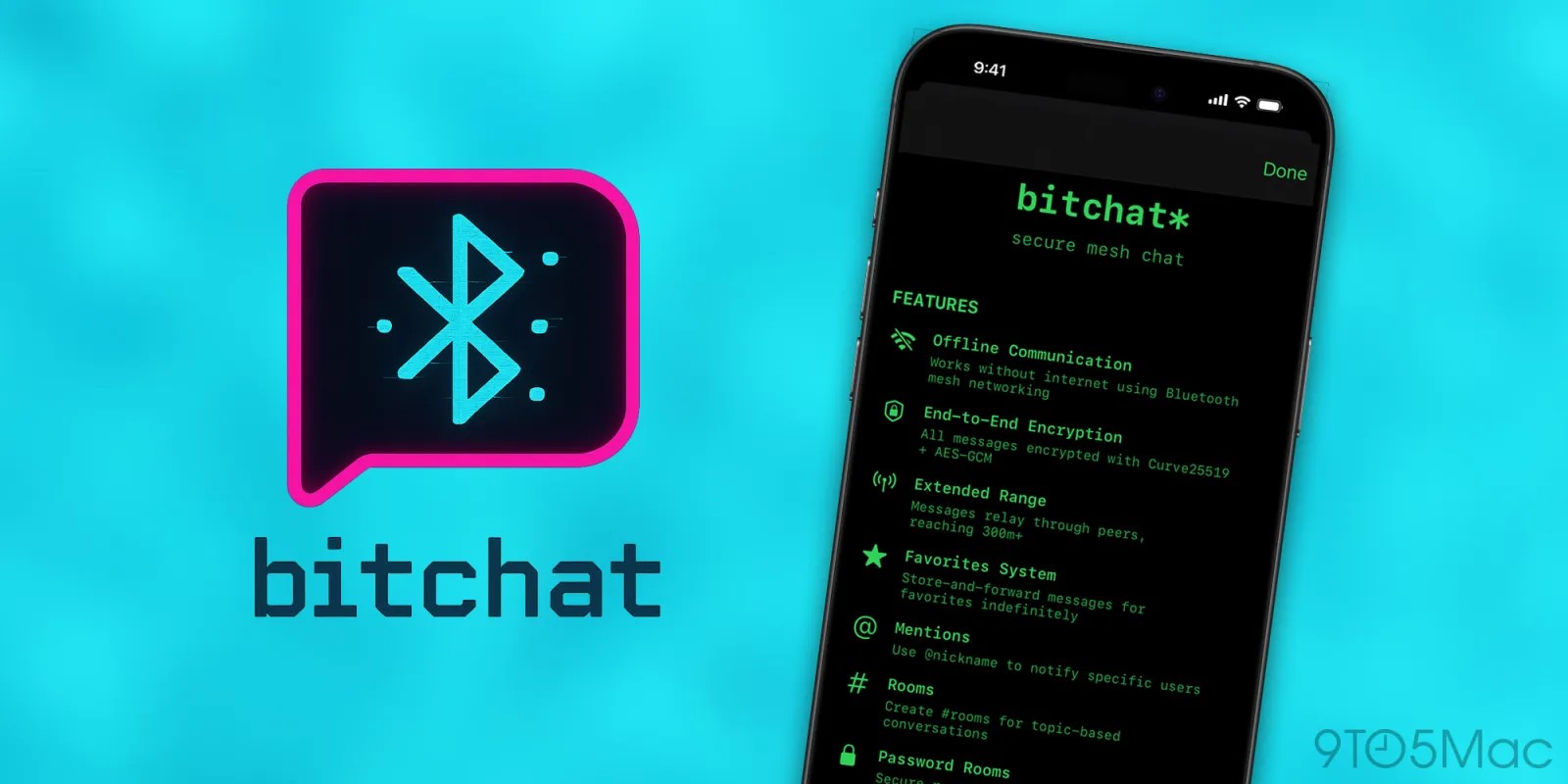
Jack Dorsey’s New App 'Bitchat' Enables Messaging Without Internet
Bitchat uses Bluetooth mesh networking to enable peer.....
-
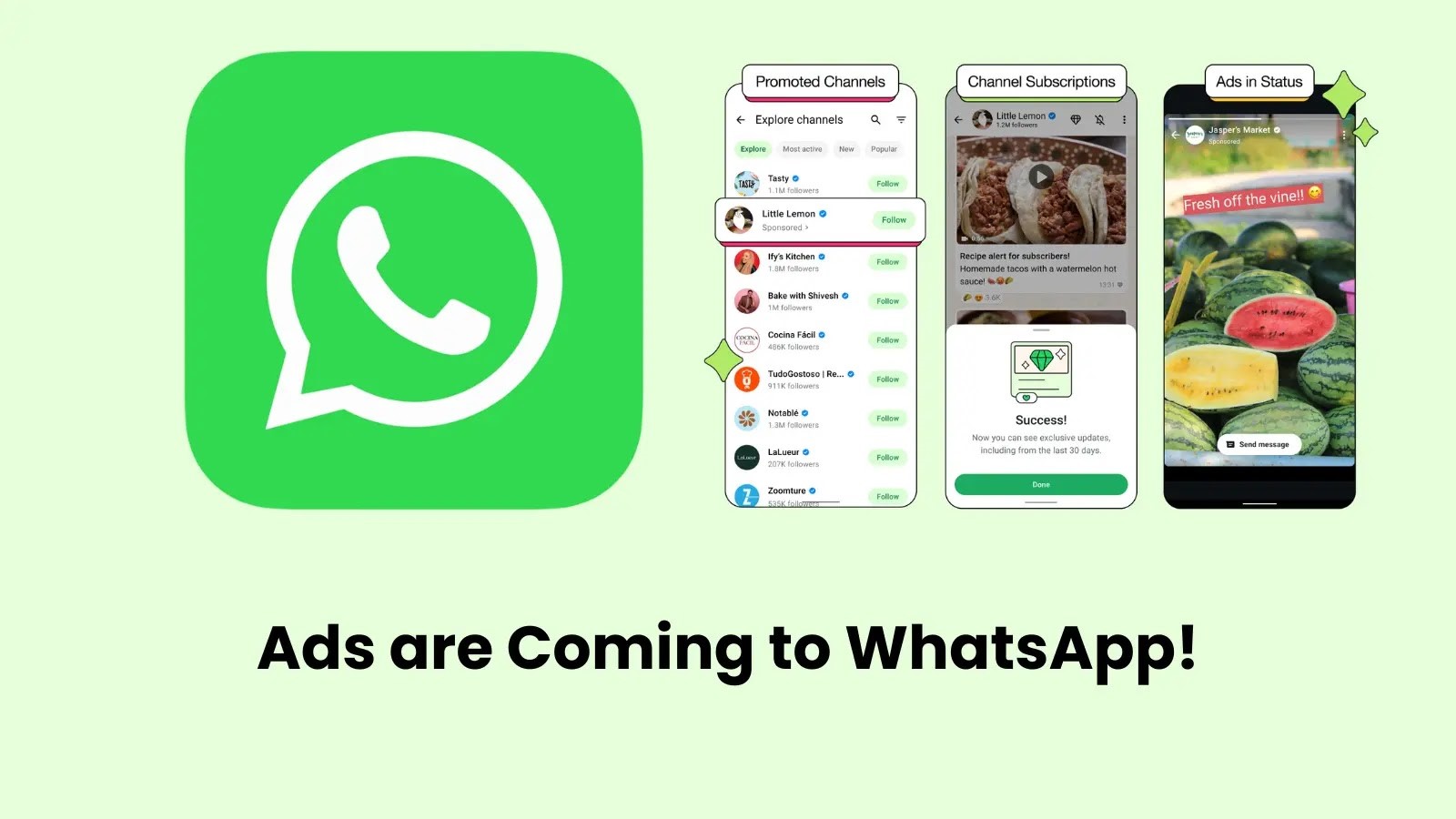
WhatsApp to Launch Ads and Paid Subscription Options Soon
On Monday, June 16, WhatsApp announced plans to introduce ads and paid.....