

Increased Emphasis on Sustainable Transportation
More people are becoming environmentally conscious, which means that sustainable transportation options like biking, walking, and public transportation are likely to gain in popularity.
A growing number of communities in the United States are seeking to improve the sustainability of their transportation systems by shifting routine automobile travel to walking and bicycling. In order to identify strategies that may be most effective at increasing pedestrian and bicycle transportation in a specific local context, practitioners need a greater understanding of the underlying thought process that people use to select travel modes. Previous research from the travel behavior and psychology fields provides the foundation for a five-step, operational Theory of Routine Mode Choice Decisions. Walking and bicycling could be promoted through each of the five steps: awareness and availability (e.g., offer individual marketing programs), basic safety and security (e.g., make pedestrian and bicycle facility improvements and increase education and enforcement efforts), convenience and cost (e.g., institute higher-density, mixed land uses, and limited, more expensive automobile parking), enjoyment (e.g., plant street trees and increase awareness of non-motorized transportation benefits), and habit (e.g., target information about sustainable transportation options to people making key life changes).[1]

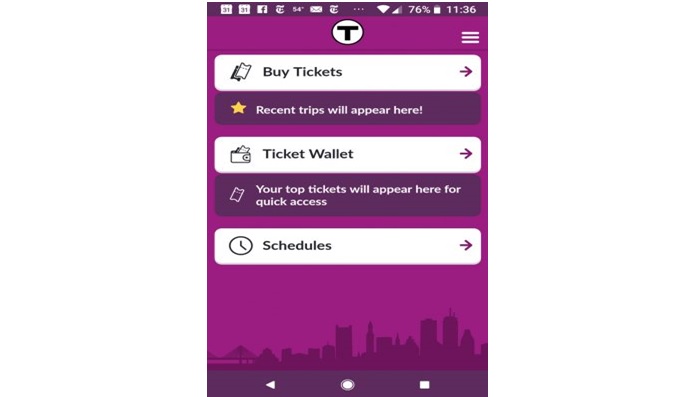
Figure .1 Increased Emphasis on Sustainable Transportation
Figure 1 shows Sustainable transportation refers to transportation options and systems that have a lower impact on the environment and contribute to sustainable development. There is an increased emphasis on sustainable transportation as a way to address issues such as climate change, air pollution, and traffic congestion.
Here are some examples of sustainable transportation options:
- Public Transportation:Public transportation, such as buses and trains, can reduce the number of cars on the road, leading to reduced traffic congestion and air pollution. Furthermore, public transportation systems can be designed to be more energy-efficient, using clean energy sources to power vehicles.
- Cycling:Biking is a sustainable mode of transportation that can reduce carbon emissions, promote physical activity, and improve air quality. Cities are investing in bike-sharing programs and building cycling infrastructure, such as bike lanes and dedicated bike paths.
- Walking:Walking is an eco-friendly way to get around, and it has health benefits too. Urban planning can promote walking by creating pedestrian-friendly areas and reducing the need to drive for short distances.
- Electric Vehicles (EVs): EVs are becoming more popular as a sustainable transportation option. EVs produce zero emissions and can be charged with clean energy sources, reducing their carbon footprint.
- Carpooling and Ride-Sharing:Carpooling and ride-sharing services are an eco-friendly way to reduce the number of cars on the road. They can also save money on transportation costs and reduce traffic congestion.
Governments and organizations are promoting sustainable transportation options by investing in infrastructure, offering incentives for sustainable transportation choices, and implementing policies that encourage the use of these modes of transportation.
References:
- https://www.sciencedirect.com/science/article/abs/pii/S0967070X12001643
Cite this article:
Janani R (2023),Increased Emphasis on Sustainable Transportation, AnaTechMaz, pp. 120
Recent Post
-
The Internet of E-mobility
Electro mobility(or e-Mobility) represents the concept of using electric powertrain technologies, in-vehicle information, and communication technologies and connected.........
-
Shared Mobility Solutions
New mobility services provide a continuum of choices that cover many types of personal trips, and together with a robust public transit system, allow people to get to work,..
-

Future Smartphone Predictions
It’s pretty clear that smartphones will soon be getting even smarter. In the mid-2000s, mobile phones could only do a tiny fraction of the things that their modern........
-

Augmented & Virtual Reality (AR/VR)
A big challenge for the mobility industry is reducing road accidents due to human negligence. Startups develop AR solutions to restrict the number of distractions for a driver........
-

Mobility-as-a-Service
Integrating various modes of transportation into a single mobility service presents a user-centric approach to mobility. To achieve this, startups are building a range of mobility........
-

Electrification
To accelerate the growth of electric mobility and promote sustainability, advances have to be spurred in electric drive solutions, EV charging, and infrastructure, as well as data analytics.......
-
Micromobility
Micromobility is gradually gaining in popularity across the world for its convenience and environmental benefits. It is a powerful approach to tackle vehicular greenhouse......
-
Smart Infrastructure
Smart infrastructure is widely acknowledged as one of the main components of smart cities. It extends not only to smart roads, automated parking, and IoT but also to all the various......
-
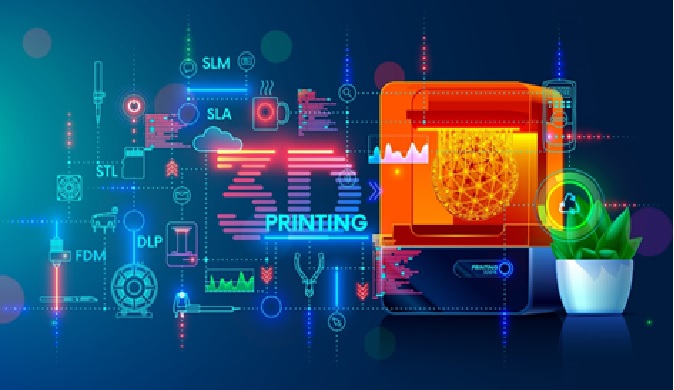
3D Printing
Startups and emerging companies are providing 3D printing solutions for creating various automotive parts. Additive manufacturing with different materials also allows.........
-
Smart Mobility
A new road revolution is upon us as the reality of autonomous/driverless cars comes ever closer. While the digitalisation, AI and sensors built into vehicles will power this new technology.......
-
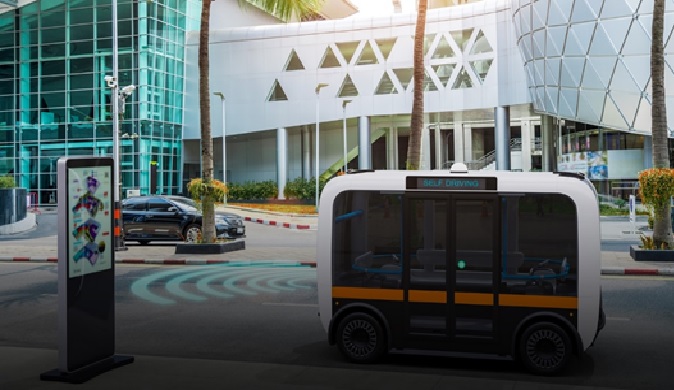
Autonomous Driving
Autonomous driving technology has always been one of the most promising areas within the mobility industry and it continues to grow. This top mobility trend aims to minimize.......
-

Ride Sharing and Car-Sharing
Ride-sharing and car-sharing services are two popular forms of alternative transportation that have gained significant popularity in recent years. Ride-sharing is an innovative on-demand........
-
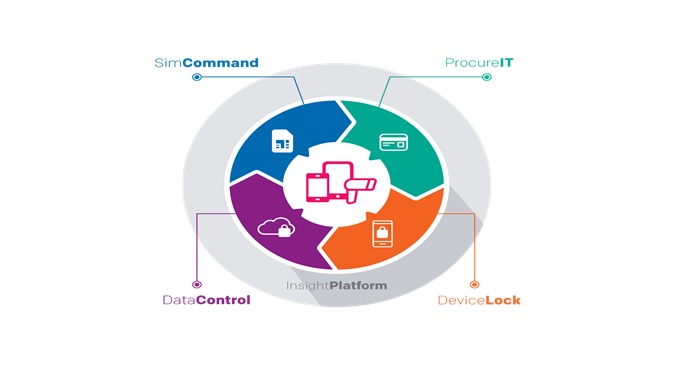
Integrated mobility solutions
Integrated mobility means mobility service providers working together to offer suitable transport options for each stage of a journey. The aim is to ensure seamless connections.........
-
Accessibility and inclusivity
Mobility is not just about transportation for the able-bodied, and there is a growing awareness of the need for accessible and inclusive transportation options for people.........
-
Increased Emphasis on Sustainable Transportation
Increased Emphasis on Sustainable Transportation.....