

Electrification
To accelerate the growth of electric mobility and promote sustainability, advances have to be spurred in electric drive solutions, EV charging, and infrastructure, as well as data analytics and security. Despite the numerous environmental benefits of fleet electrification, there still remain many hurdles to their adoption, especially with the ongoing COVID-19 pandemic. Startups globally develop solutions to enable the widespread adoption of EVs by providing efficient batteries and charging infrastructure. At the same time, emerging companies are manufacturing electric vehicles of all sizes to streamline the logistics sector and reduce harmful emissions.
- Drover AI provides Vehicle Situational Awareness
- Lordstown Motors produces Fully-Electric Pickup Trucks

Figure 1. Electrification
Electrification is shown in figure 1. The future of mobility is imminent. It will take the form of Alternate Fuel Vehicles, for instance, Electric Vehicles (EVs) and Fuel Cell Vehicles. While EV adoption rates are currently low, it’s estimated that by 2030, worldwide EV sales will reach 30 million. [2]
Benefit of Electrification Mobility:
E-mobility has benefits at many levels from the global, to the personal. At the global level, the electrification of transport helps curb climate change by reducing greenhouse gas emissions.
As transport currently accounts for around 30% of global final energy demand, the potential for decarbonization is huge. And to meet the ambitions of the Paris Agreement, electrifying public and private transport on land and at sea is inevitable.[3]
Advantages of electromobility:
Electric vehicles are changing the way we move – not only because they are more eco-friendly. An e-car costs more than a comparable gasoline or diesel vehicle – mainly due to the large costs of producing the battery, although its prices have fallen in the past years.
However, electricity is cheaper than fossil fuels. Moreover, electric vehicles require less maintenance and fewer repairs. There’s no need to change the oil and filters, and there are no exhaust systems, timing belts or V-belts. A combustion engine has around 2,500 components that have to be made and assembled – compared with just 250 in an electric motor. E-cars can be serviced quickly by software updates over the air (SOTA). However, that’s also true of all connected cars, in other words, cars with access to the Internet.[4]
The electrification of mobility is a significant trend that is changing the way we think about transportation. Electric vehicles (EVs) are becoming increasingly popular, and they offer several benefits over traditional gasoline-powered cars, such as lower operating costs, reduced emissions, and a quieter and smoother ride.
References:
- https://www.startus-insights.com/innovators-guide/top-10-mobility-industry-trends-innovations-in-2021/
- https://www.kpit.com/insights/electrification-transforming-mobility-of-the-future/
- https://www.danfoss.com/en/about-danfoss/insights-for-tomorrow/e-mobility/
- https://www.infineon.com/cms/en/discoveries/electromobility/
Cite this article:
Gokula Nandhini K (2023), Electrification, AnaTechMaz, pp. 111
Recent Post
-
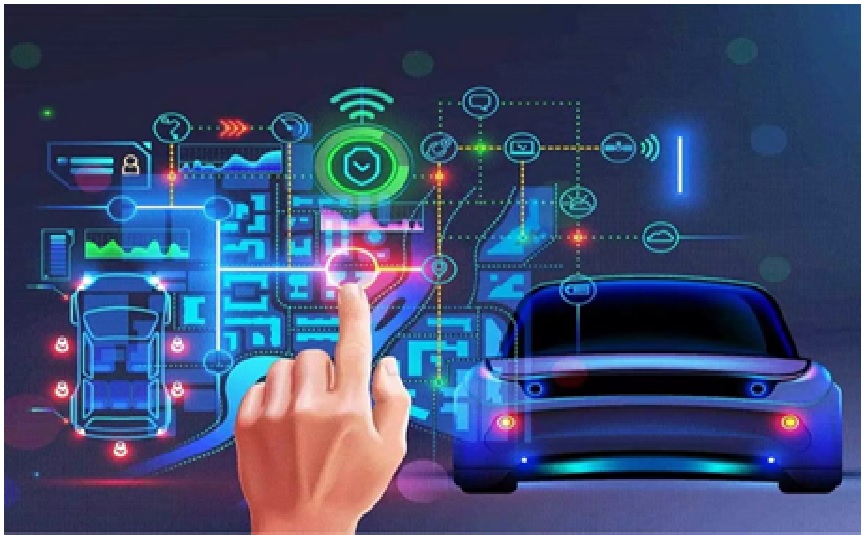
The Internet of E-mobility
Electro mobility(or e-Mobility) represents the concept of using electric powertrain technologies, in-vehicle information, and communication technologies and connected.........
-
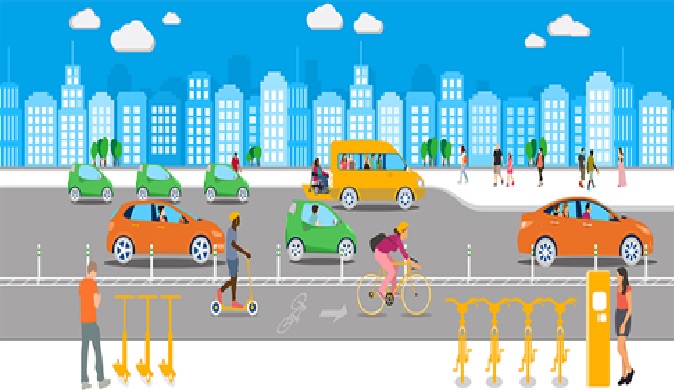
Shared Mobility Solutions
New mobility services provide a continuum of choices that cover many types of personal trips, and together with a robust public transit system, allow people to get to work,..
-

Future Smartphone Predictions
It’s pretty clear that smartphones will soon be getting even smarter. In the mid-2000s, mobile phones could only do a tiny fraction of the things that their modern........
-

Augmented & Virtual Reality (AR/VR)
A big challenge for the mobility industry is reducing road accidents due to human negligence. Startups develop AR solutions to restrict the number of distractions for a driver........
-

Mobility-as-a-Service
Integrating various modes of transportation into a single mobility service presents a user-centric approach to mobility. To achieve this, startups are building a range of mobility........
-
Electrification
To accelerate the growth of electric mobility and promote sustainability, advances have to be spurred in electric drive solutions, EV charging, and infrastructure, as well as data analytics.......
-
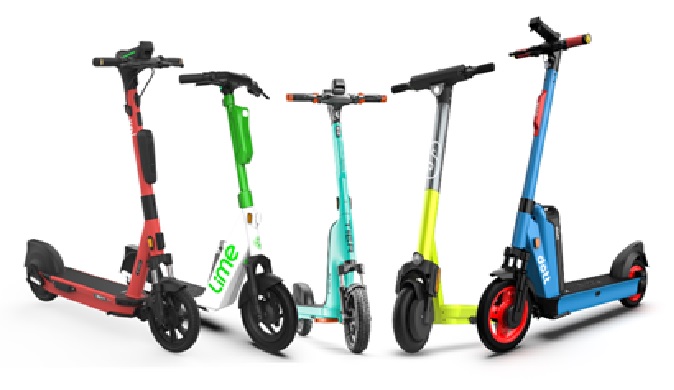
Micromobility
Micromobility is gradually gaining in popularity across the world for its convenience and environmental benefits. It is a powerful approach to tackle vehicular greenhouse......
-
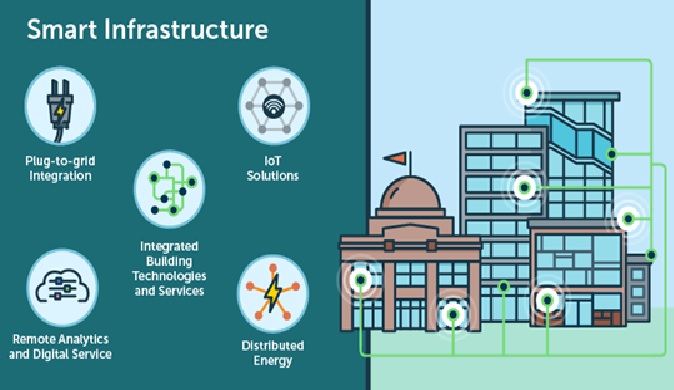
Smart Infrastructure
Smart infrastructure is widely acknowledged as one of the main components of smart cities. It extends not only to smart roads, automated parking, and IoT but also to all the various......
-

3D Printing
Startups and emerging companies are providing 3D printing solutions for creating various automotive parts. Additive manufacturing with different materials also allows.........
-
Smart Mobility
A new road revolution is upon us as the reality of autonomous/driverless cars comes ever closer. While the digitalisation, AI and sensors built into vehicles will power this new technology.......
-
Autonomous Driving
Autonomous driving technology has always been one of the most promising areas within the mobility industry and it continues to grow. This top mobility trend aims to minimize.......
-

Ride Sharing and Car-Sharing
Ride-sharing and car-sharing services are two popular forms of alternative transportation that have gained significant popularity in recent years. Ride-sharing is an innovative on-demand........
-
Integrated mobility solutions
Integrated mobility means mobility service providers working together to offer suitable transport options for each stage of a journey. The aim is to ensure seamless connections.........
-
Accessibility and inclusivity
Mobility is not just about transportation for the able-bodied, and there is a growing awareness of the need for accessible and inclusive transportation options for people.........
-

Increased Emphasis on Sustainable Transportation
Increased Emphasis on Sustainable Transportation.....