

Autonomous Driving
Autonomous driving technology has always been one of the most promising areas within the mobility industry and it continues to grow. This top mobility trend aims to minimize human negligence and errors to create safer roads. Comprehensive AI algorithms now take over the task of driving with advanced driver assistance systems (ADAS) to push the industry towards level-5 autonomous vehicles (AVs). Fleets of AVs expand the scope of first- and last-mile commute and make public transportation safer and more efficient. Artificial intelligence, combined with smart sensors, accelerate advancements in the mobility industry.
- Holomatics develops AI-based Autonomous Driving
- Trieye offers Advanced Sensing Technology [1]
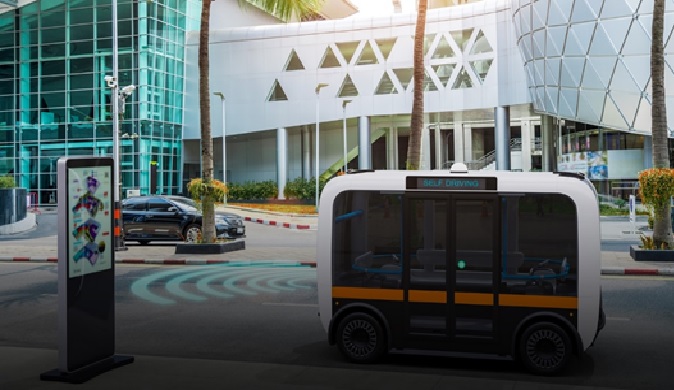
Figure 1. Autonomous Driving
Autonomous Driving is shown in figure 1. Autonomous driving, also known as self-driving or driverless technology, refers to a vehicle's ability to operate without human intervention. It is achieved through the use of advanced sensors, artificial intelligence, and software that enable the vehicle to perceive its surroundings and make decisions based on that information.
Autonomous driving technology has the potential to improve safety, reduce traffic congestion, and increase mobility for people who cannot or should not drive. However, there are also concerns about the safety and ethical implications of this technology, as well as the impact on employment in the transportation industry.
Benefits of Autonomous Driving:
More and more people are moving to cities – and more and more goods are being transported on the roads. Self-driving cars and delivery vehicles are an answer to the challenges associated with urbanization and globalization.
Automated driving is often referred to as Advanced Driver Assistance Systems, also known as ADAS. It reduces traffic levels, cuts fuel consumption and emissions, and makes parking-related problems a thing of the past. Drivers of fully automated vehicles are also free to use travel time for other pursuits, such as relaxing, working, teleconferencing, online shopping, or reading the newspaper.[2]
If the people’s thought hasn’t changed about the self-driving cars being safe, these cars are already safe and are becoming safer. Only if they believe and give a try to technology, they get to enjoy the luxury of computerized driving.
Driverless cars appear to be an important next step in transportation technology. They are a new all-media capsule- text to your heart’s desire and it’s safe (Wolff par. 10).
Developments in autonomous cars is continuing and the software in the car is continuing to be updated. Though it all started from a driverless thought to radio frequency, cameras, sensors, more semi-autonomous features will come up, thus reducing the congestion, increasing the safety with faster reactions and fewer errors.
People who currently reject self-driving cars would’ve said no to modern technology and automatic systems. [3]
References:
- https://www.startus-insights.com/innovators-guide/top-10-mobility-industry-trends-innovations-in-2021/#autonomous-driving
- https://www.infineon.com/cms/en/discoveries/adas-to-ad/
- https://medium.com/self-driven-cars/conclusion-7ecf4f3aea07
Cite this article:
Gokula Nandhini K (2023), Autonomous Driving, AnaTechMaz, pp. 116
Recent Post
-
The Internet of E-mobility
Electro mobility(or e-Mobility) represents the concept of using electric powertrain technologies, in-vehicle information, and communication technologies and connected.........
-
Shared Mobility Solutions
New mobility services provide a continuum of choices that cover many types of personal trips, and together with a robust public transit system, allow people to get to work,..
-

Future Smartphone Predictions
It’s pretty clear that smartphones will soon be getting even smarter. In the mid-2000s, mobile phones could only do a tiny fraction of the things that their modern........
-

Augmented & Virtual Reality (AR/VR)
A big challenge for the mobility industry is reducing road accidents due to human negligence. Startups develop AR solutions to restrict the number of distractions for a driver........
-

Mobility-as-a-Service
Integrating various modes of transportation into a single mobility service presents a user-centric approach to mobility. To achieve this, startups are building a range of mobility........
-

Electrification
To accelerate the growth of electric mobility and promote sustainability, advances have to be spurred in electric drive solutions, EV charging, and infrastructure, as well as data analytics.......
-
Micromobility
Micromobility is gradually gaining in popularity across the world for its convenience and environmental benefits. It is a powerful approach to tackle vehicular greenhouse......
-
Smart Infrastructure
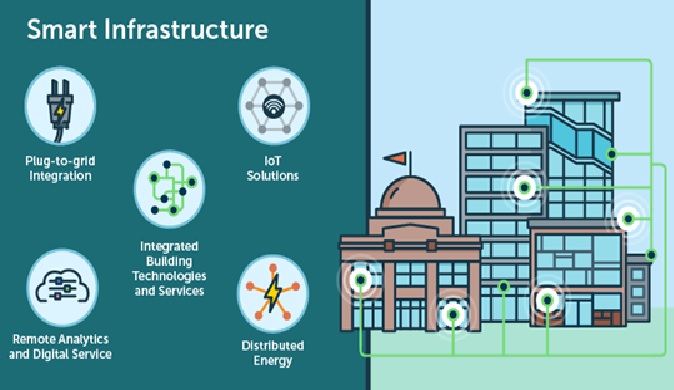
Smart infrastructure is widely acknowledged as one of the main components of smart cities. It extends not only to smart roads, automated parking, and IoT but also to all the various......
-
3D Printing
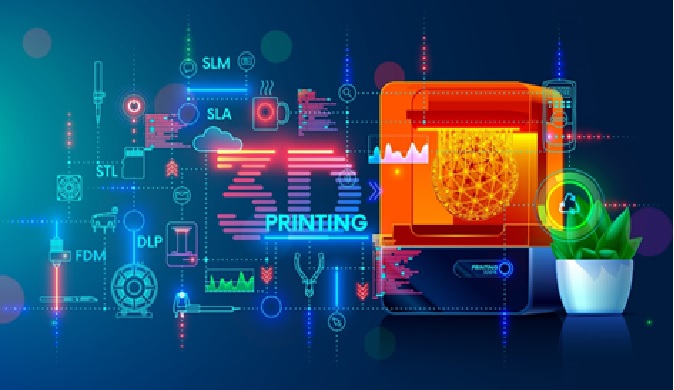
Startups and emerging companies are providing 3D printing solutions for creating various automotive parts. Additive manufacturing with different materials also allows.........
-
Smart Mobility
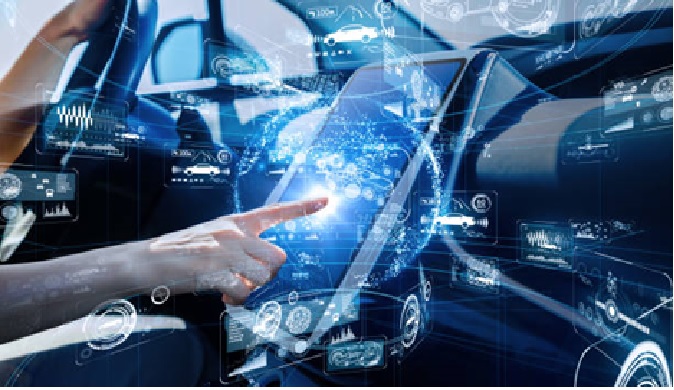
A new road revolution is upon us as the reality of autonomous/driverless cars comes ever closer. While the digitalisation, AI and sensors built into vehicles will power this new technology.......
-
Autonomous Driving
Autonomous driving technology has always been one of the most promising areas within the mobility industry and it continues to grow. This top mobility trend aims to minimize.......
-

Ride Sharing and Car-Sharing
Ride-sharing and car-sharing services are two popular forms of alternative transportation that have gained significant popularity in recent years. Ride-sharing is an innovative on-demand........
-
Integrated mobility solutions
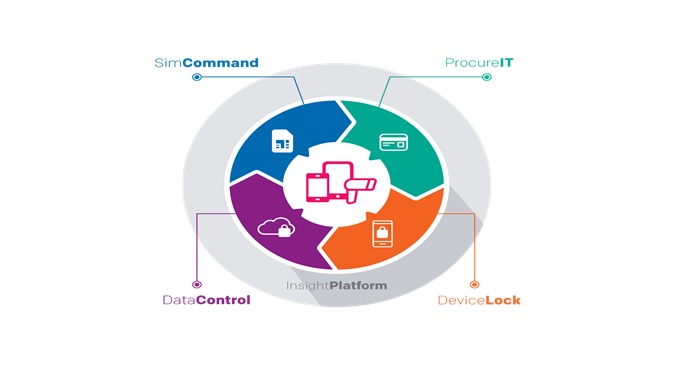
Integrated mobility means mobility service providers working together to offer suitable transport options for each stage of a journey. The aim is to ensure seamless connections.........
-
Accessibility and inclusivity
Mobility is not just about transportation for the able-bodied, and there is a growing awareness of the need for accessible and inclusive transportation options for people.........
-

Increased Emphasis on Sustainable Transportation
Increased Emphasis on Sustainable Transportation.....