

Micromobility
Micromobility is gradually gaining in popularity across the world for its convenience and environmental benefits. It is a powerful approach to tackle vehicular greenhouse gas (GHG) emissions and increase access to cheap transportation. Micromobility solutions are also fuel-efficient and do not use fossil fuel-based energy. Bicycles, which are conventionally popular for urban commuting, also help solve the first and last-mile commute & delivery challenges. But e-bikes, being lightweight and faster than bicycles
- Yulu builds a Dockless Electric Vehicle
- Raine One provides Shared Micromobility [1]
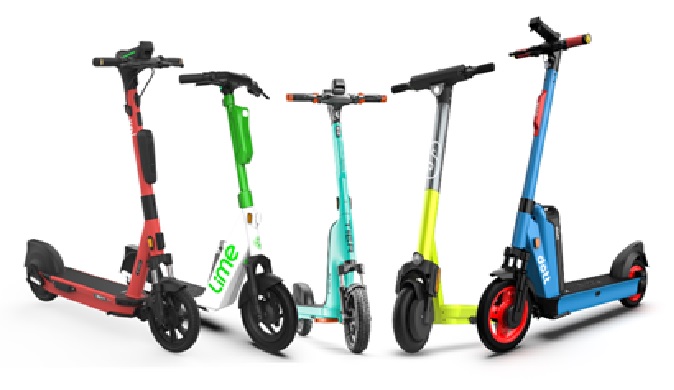
Figure 1. micromobility
Micromobility is shown in figure 1. Micromobility refers to a range of transport options which are small, personally controlled, and typically driven at speeds of up to 15 mph (ca. 24 km/h). It can refer to devices owned by the rider, but also designated devices rented for individual journeys.
Examples of Micromobility:
When talking about micromobility, we're referring to a wide range of vehicles, such as bicycles that require pedaling, or others propelled using an electric motor and on-board battery pack.
- Bicycles
- Electric Bikes (E-Bikes)
- Electric Scooters (E-Scooters)
- Electric Skateboards (E-Skateboards) [2]
Benefits of Micromobility Technology:
There are a number of additional benefits of micromobilty technology.
- Affordable
- Sustainable
- Efficient
- Convenient
Micromobility Trends:
- Some projections regarding E scooter market growth estimate that the compound annual growth rate (CAGR) for the industry will be at 7.6% between 2021 and 2028.
- 2021 was the year of the e-bike, says TechCrunch, with a growth rate in sales of 240% over the 12 months leading up to July.
- According to Vantage Market Research (VMR), the future of bike and scooter rental market economy is expected to grow $11,040 million by 2028.
- The cargo bike trend is in a position to grow according to recent predictions, with great benefits for the environment. A study called The Promise of Low Carbon Freight found that during a three month period, cargo bikes helped save a total of 3,896 kilograms of CO2 and 5.5 kilograms of nitrogen oxide.
- Mobility-as-a-Service (MaaS) will be a growing trend as smart cities seek to improve air quality, reduce traffic congestion, and improve social equity - enabling every citizen to gain access to affordable transportation.[3]
micromobility is an emerging trend that has the potential to revolutionize the way we think about transportation in cities. By offering affordable, efficient, and sustainable options for short trips and commuting, micromobility has the potential to reduce traffic congestion, improve air quality, and promote healthier lifestyles.
References:
- https://www.startus-insights.com/innovators-guide/top-10-mobility-industry-trends-innovations-in-2021/
- https://www.makeuseof.com/micromobility-is-changing-transport/
- https://www.digi.com/blog/post/what-is-micromobility
Cite this article:
Gokula Nandhini K (2023), Micromobility, AnaTechMaz, pp. 112
Recent Post
-

The Internet of E-mobility
Electro mobility(or e-Mobility) represents the concept of using electric powertrain technologies, in-vehicle information, and communication technologies and connected.........
-
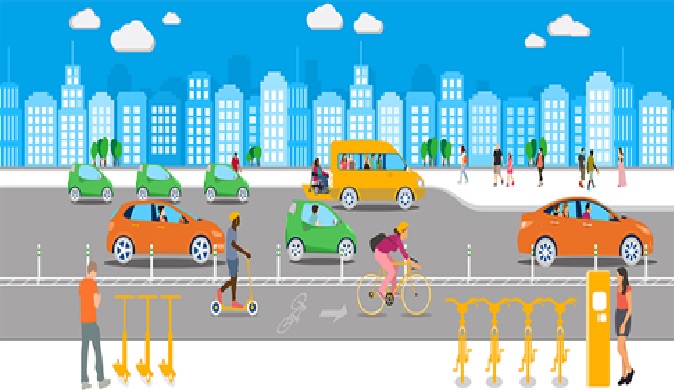
Shared Mobility Solutions
New mobility services provide a continuum of choices that cover many types of personal trips, and together with a robust public transit system, allow people to get to work,..
-

Future Smartphone Predictions
It’s pretty clear that smartphones will soon be getting even smarter. In the mid-2000s, mobile phones could only do a tiny fraction of the things that their modern........
-

Augmented & Virtual Reality (AR/VR)
A big challenge for the mobility industry is reducing road accidents due to human negligence. Startups develop AR solutions to restrict the number of distractions for a driver........
-

Mobility-as-a-Service
Integrating various modes of transportation into a single mobility service presents a user-centric approach to mobility. To achieve this, startups are building a range of mobility........
-

Electrification
To accelerate the growth of electric mobility and promote sustainability, advances have to be spurred in electric drive solutions, EV charging, and infrastructure, as well as data analytics.......
-
Micromobility
Micromobility is gradually gaining in popularity across the world for its convenience and environmental benefits. It is a powerful approach to tackle vehicular greenhouse......
-

Smart Infrastructure
Smart infrastructure is widely acknowledged as one of the main components of smart cities. It extends not only to smart roads, automated parking, and IoT but also to all the various......
-

3D Printing
Startups and emerging companies are providing 3D printing solutions for creating various automotive parts. Additive manufacturing with different materials also allows.........
-

Smart Mobility
A new road revolution is upon us as the reality of autonomous/driverless cars comes ever closer. While the digitalisation, AI and sensors built into vehicles will power this new technology.......
-
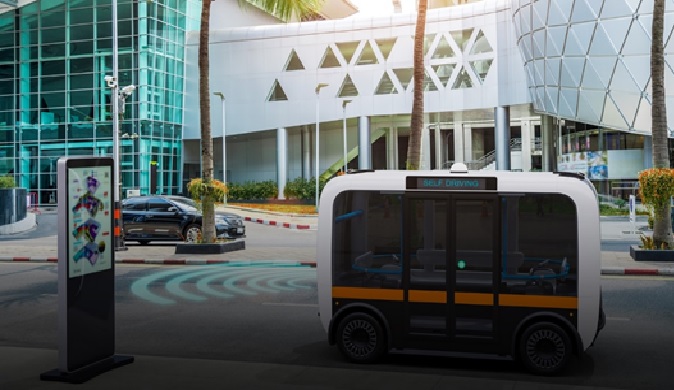
Autonomous Driving
Autonomous driving technology has always been one of the most promising areas within the mobility industry and it continues to grow. This top mobility trend aims to minimize.......
-

Ride Sharing and Car-Sharing
Ride-sharing and car-sharing services are two popular forms of alternative transportation that have gained significant popularity in recent years. Ride-sharing is an innovative on-demand........
-
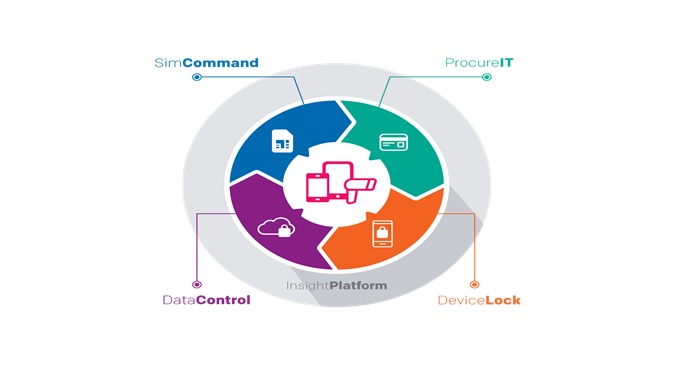
Integrated mobility solutions
Integrated mobility means mobility service providers working together to offer suitable transport options for each stage of a journey. The aim is to ensure seamless connections.........
-

Accessibility and inclusivity
Mobility is not just about transportation for the able-bodied, and there is a growing awareness of the need for accessible and inclusive transportation options for people.........
-

Increased Emphasis on Sustainable Transportation
Increased Emphasis on Sustainable Transportation.....