

Future Smartphone Predictions
It’s pretty clear that smartphones will soon be getting even smarter. In the mid-2000s, mobile phones could only do a tiny fraction of the things that their modern counterparts are capable of. Now, thanks to a number of recent technological advancements, it looks as though there will be no shortage of new smartphone features in the future to keep us evermore attached to our little digital devices. Here are 5 you should watch out for.

Figure 1. Foldable phone with no headphone port
Figure 1 shows a foldable phone with no headphone port.
Foldable phones
Foldable phones can change the way content is consumed. These devices can change to a different size to perform a specific task. When unfolded, they can go from being a small smartphone to a tablet -type device. Smartphones and tablets, therefore, could merge. [3]
No Ports
Many phones are dropping the 3.5mm headphone jack already, and those things will be ancient history by 2030 – it would be a surprise if many phones even in 2020 kept the port.
As more users flock towards wireless headphones over wired ones, the amount of phone users who need to physically plug their headphones into their smartphone will reduce, and in 10 years, after years of advances in Bluetooth technology, we’d be surprised if many people use wired headphones at all. [1]
Headphone Surround Sound
Surround sound on headphones has been met with some pretty harsh assessments in the past, but now audio developer DTS is looking to silence the critics with a 7.1 mobile audio solution for smartphones that promises to faithfully recreate the sound of specific listening environments using even the simplest pair of headphones. Though there’s a little way to go before the system works with all source material, the higher processing power of new smartphones should be able to support the advancement in audio technology. [2]
Biometric Authentication
Though the iPhone 6 and the Samsung Galaxy S6 both use capacitive technology to read the ridges of your fingertips, this technology could be considered lacking from a security perspective because it doesn’t use enough data points, which makes it more susceptible to being hacked. Improving on the concept, telecommunications company Qualcomm has developed a new type of ultrasonic fingerprint scanner using a piezoelectric layer that creates ultrasound. In addition to mapping your finger, the scanner features greatly increased resolution, which is also an enhanced security benefit. [2]
Smart Cameras
In 2015, Qualcomm demoed a camera that showed it was capable of identify the objects it was looking at. The system works by comparing real world objects to a huge reference database stored on the device. Best of all, it’s possible to train the software to understand ever more things. Sort of like a little baby A.I.
This technology could have enormous potential and enable cameras to do all sorts of clever and useful things relating to the real-world environment. Google has also been developing a similar type of deep search identification software with Google Photos. As camera hardware continues to shrink and improve, it seems inevitable that this sort of feature will become standard on phones. [2]
References:
- https://www.techradar.com/news/what-could-your-future-smartphone-look-like-in-2030
- https://electronics.howstuffworks.com/12-futuristic-features-coming-soon-to-smartphones.htm
- https://www.techadvisor.com/article/746167/the-future-of-the-smartphone-in-2030-phones-could-be-charged-by-thin-air.html
Cite this article:
Hana M (2023), Future Smartphone Predictions, AnaTechMaz, pp. 108
Recent Post
-
The Internet of E-mobility
Electro mobility(or e-Mobility) represents the concept of using electric powertrain technologies, in-vehicle information, and communication technologies and connected.........
-
Shared Mobility Solutions
New mobility services provide a continuum of choices that cover many types of personal trips, and together with a robust public transit system, allow people to get to work,..
-
Future Smartphone Predictions
It’s pretty clear that smartphones will soon be getting even smarter. In the mid-2000s, mobile phones could only do a tiny fraction of the things that their modern........
-

Augmented & Virtual Reality (AR/VR)
A big challenge for the mobility industry is reducing road accidents due to human negligence. Startups develop AR solutions to restrict the number of distractions for a driver........
-

Mobility-as-a-Service
Integrating various modes of transportation into a single mobility service presents a user-centric approach to mobility. To achieve this, startups are building a range of mobility........
-

Electrification
To accelerate the growth of electric mobility and promote sustainability, advances have to be spurred in electric drive solutions, EV charging, and infrastructure, as well as data analytics.......
-
Micromobility
Micromobility is gradually gaining in popularity across the world for its convenience and environmental benefits. It is a powerful approach to tackle vehicular greenhouse......
-
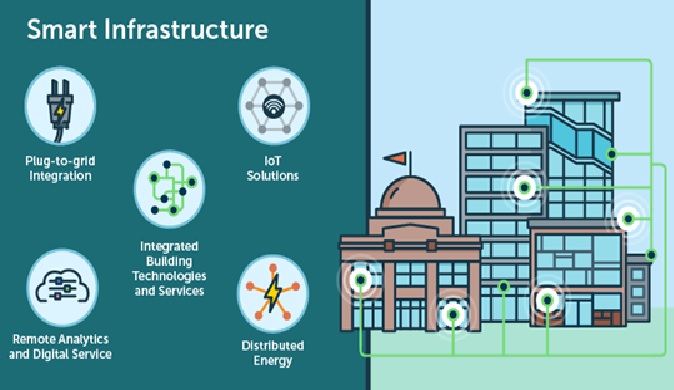
Smart Infrastructure
Smart infrastructure is widely acknowledged as one of the main components of smart cities. It extends not only to smart roads, automated parking, and IoT but also to all the various......
-
3D Printing
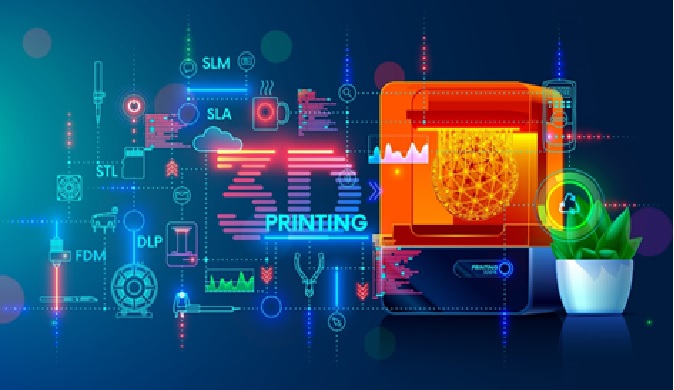
Startups and emerging companies are providing 3D printing solutions for creating various automotive parts. Additive manufacturing with different materials also allows.........
-

Smart Mobility
A new road revolution is upon us as the reality of autonomous/driverless cars comes ever closer. While the digitalisation, AI and sensors built into vehicles will power this new technology.......
-
Autonomous Driving
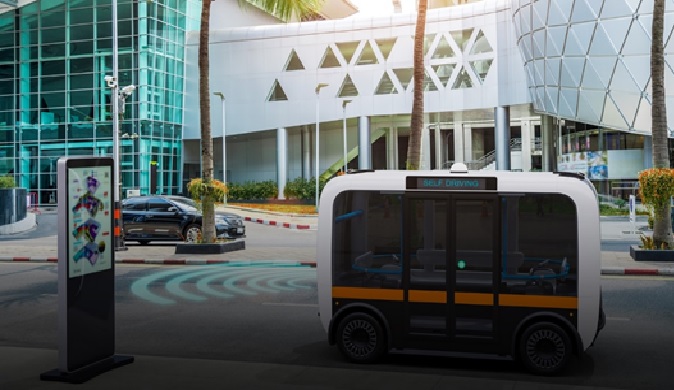
Autonomous driving technology has always been one of the most promising areas within the mobility industry and it continues to grow. This top mobility trend aims to minimize.......
-

Ride Sharing and Car-Sharing
Ride-sharing and car-sharing services are two popular forms of alternative transportation that have gained significant popularity in recent years. Ride-sharing is an innovative on-demand........
-
Integrated mobility solutions
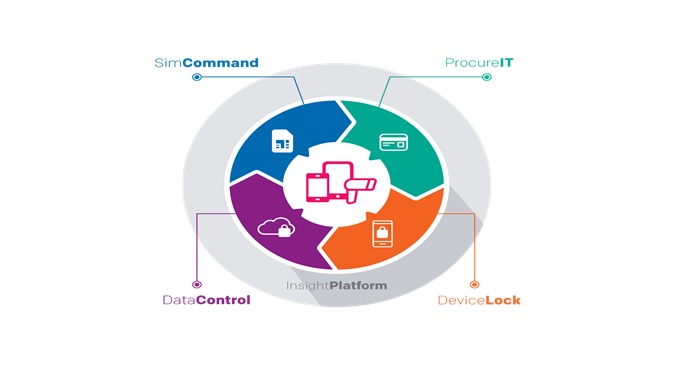
Integrated mobility means mobility service providers working together to offer suitable transport options for each stage of a journey. The aim is to ensure seamless connections.........
-
Accessibility and inclusivity
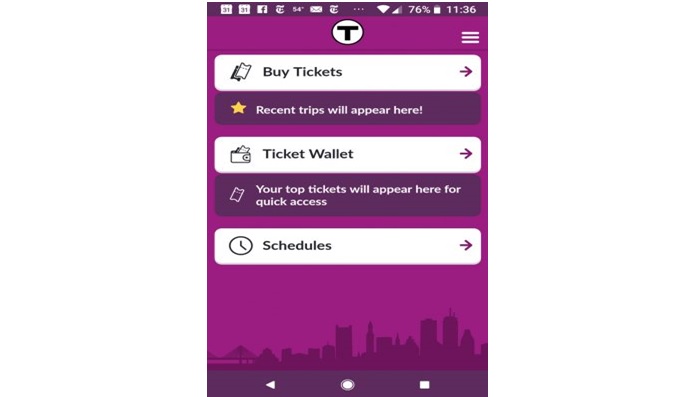
Mobility is not just about transportation for the able-bodied, and there is a growing awareness of the need for accessible and inclusive transportation options for people.........
-

Increased Emphasis on Sustainable Transportation
Increased Emphasis on Sustainable Transportation.....