

The Internet of E-mobility
Electro mobility(or e-Mobility) represents the concept of using electric powertrain technologies, in-vehicle information, and communication technologies and connected infrastructures to enable the electric propulsion of vehicles and fleets. Powertrain technologies include full electric vehicles and plug-in hybrids, as well as hydrogen fuel cell vehicles that convert hydrogen into electricity. e-Mobility efforts are motivated by the need to address corporate fuel efficiency and emission requirements, as well as market demands for lower operational costs. [1]
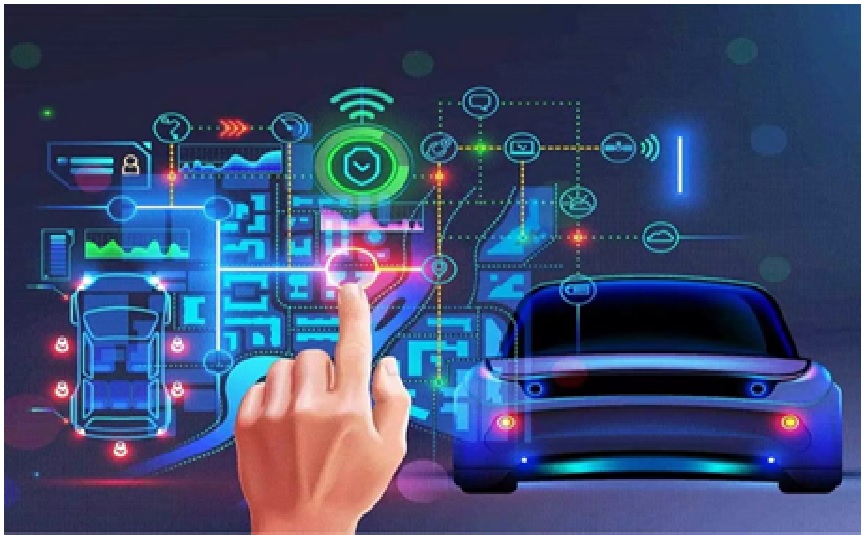
Figure 1. The Internet of E-mobility
Figure 1 shows when electric vehicles were introduced, they had a plethora of issues. With time and technological advancements, progress was made and people started warming up to EVs. But issues like the availability of charging infrastructure, and technical malfunctions still persisted. To accelerate mass adoption, the EV industry decided to take the internet road. [3]
The design of an electric drive
Electrical energy is stored in a rechargeable battery. Devices termed inverters convert the battery’s direct current into alternating current for driving the electric motor. The more efficient conversion is, the longer a car can travel when a battery is fully charged. Finally, an electric motor converts electrical energy into mechanical energy: The e-motor obtains this energy to generate magnetic fields. Their attractive and repellent forces produce a rotational motion. [2]
Applications
Safety and smart driving
ADAS (advanced driver-assistance system) is one of the best-offered features through IoT. It enables real-time monitoring of the vehicles and aids in preventive maintenance offered by the technology making it more reliable. It enables computing the absolute and relative parameters and provides real-time tips to ensure better performance. [3]
EVs are the future of roads and the inclusion of the internet will take them to new heights, enabling mass popularity and a smooth driving experience. EV experience is not complete without digital interfaces such as mobile phone access and rich intelligence through vehicle data collected over time. Route planning and optimization using these rich datasets and algorithms is the key to success. India is gradually embracing electric vehicles and the government is working to raise awareness of the benefits of switching to electricity. [4]
References:
- https://www.gartner.com/en/information-technology/glossary/electro-mobility-e-mobility
- https://www.infineon.com/cms/en/discoveries/electromobility/
- https://www.eletimes.com/the-internet-of-e-mobility
- https://chongsoowon.com/the-internet-of-e-mobility-ele-times/
Cite this article:
Thanusri swetha J (2022), The Internet of E-mobility, AnaTechMaz, pp. 106
Recent Post
-
The Internet of E-mobility
Electro mobility(or e-Mobility) represents the concept of using electric powertrain technologies, in-vehicle information, and communication technologies and connected.........
-
Shared Mobility Solutions
New mobility services provide a continuum of choices that cover many types of personal trips, and together with a robust public transit system, allow people to get to work,..
-

Future Smartphone Predictions
It’s pretty clear that smartphones will soon be getting even smarter. In the mid-2000s, mobile phones could only do a tiny fraction of the things that their modern........
-

Augmented & Virtual Reality (AR/VR)
A big challenge for the mobility industry is reducing road accidents due to human negligence. Startups develop AR solutions to restrict the number of distractions for a driver........
-

Mobility-as-a-Service
Integrating various modes of transportation into a single mobility service presents a user-centric approach to mobility. To achieve this, startups are building a range of mobility........
-

Electrification
To accelerate the growth of electric mobility and promote sustainability, advances have to be spurred in electric drive solutions, EV charging, and infrastructure, as well as data analytics.......
-
Micromobility
Micromobility is gradually gaining in popularity across the world for its convenience and environmental benefits. It is a powerful approach to tackle vehicular greenhouse......
-
Smart Infrastructure
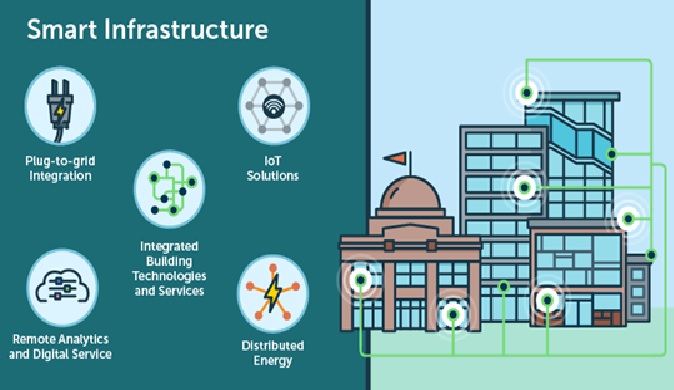
Smart infrastructure is widely acknowledged as one of the main components of smart cities. It extends not only to smart roads, automated parking, and IoT but also to all the various......
-
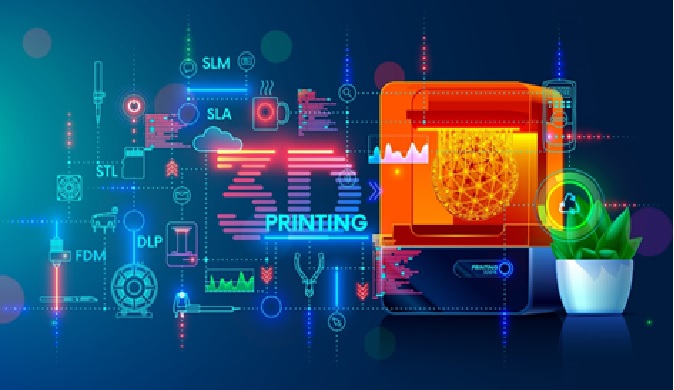
3D Printing
Startups and emerging companies are providing 3D printing solutions for creating various automotive parts. Additive manufacturing with different materials also allows.........
-
Smart Mobility
A new road revolution is upon us as the reality of autonomous/driverless cars comes ever closer. While the digitalisation, AI and sensors built into vehicles will power this new technology.......
-
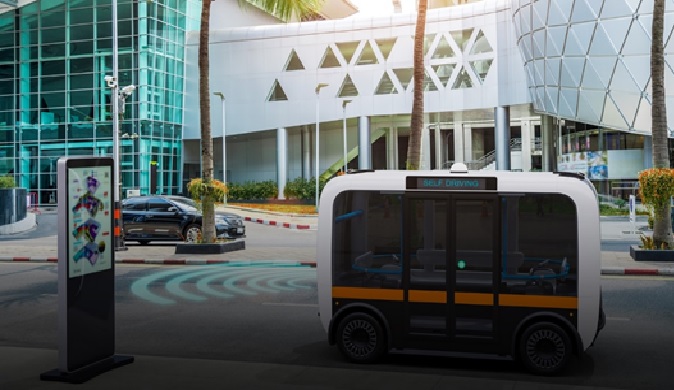
Autonomous Driving
Autonomous driving technology has always been one of the most promising areas within the mobility industry and it continues to grow. This top mobility trend aims to minimize.......
-

Ride Sharing and Car-Sharing
Ride-sharing and car-sharing services are two popular forms of alternative transportation that have gained significant popularity in recent years. Ride-sharing is an innovative on-demand........
-
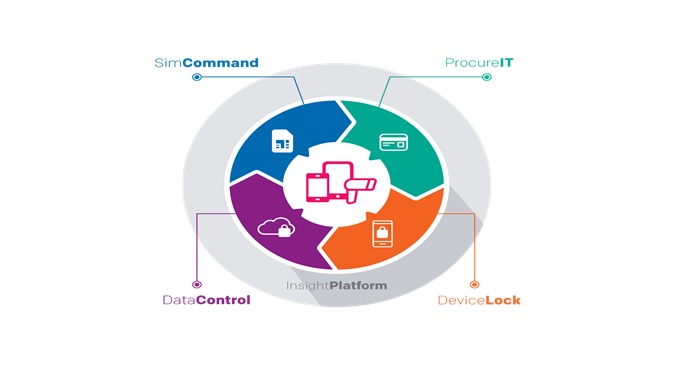
Integrated mobility solutions
Integrated mobility means mobility service providers working together to offer suitable transport options for each stage of a journey. The aim is to ensure seamless connections.........
-
Accessibility and inclusivity
Mobility is not just about transportation for the able-bodied, and there is a growing awareness of the need for accessible and inclusive transportation options for people.........
-

Increased Emphasis on Sustainable Transportation
Increased Emphasis on Sustainable Transportation.....