

Hybrid Intelligence Revolutionizes Precision Manufacturing Robotics
Researchers led by Changtian Z., Jiaxuan H., and Xinyang L. have developed an advanced hybrid intelligent optimization strategy that could significantly improve the performance of robotic arms used in precision assembly. By combining artificial intelligence with sophisticated optimization techniques, the new system enables robots to plan movement trajectories more efficiently while balancing speed, accuracy, and energy consumption.
Trajectory planning has long been a challenge in industrial robotics, particularly in applications where even microscopic errors can affect product quality. Traditional methods often struggle to optimize multiple objectives simultaneously. The newly proposed hybrid approach addresses this challenge by intelligently evaluating numerous movement options and selecting the most effective path for a given task.
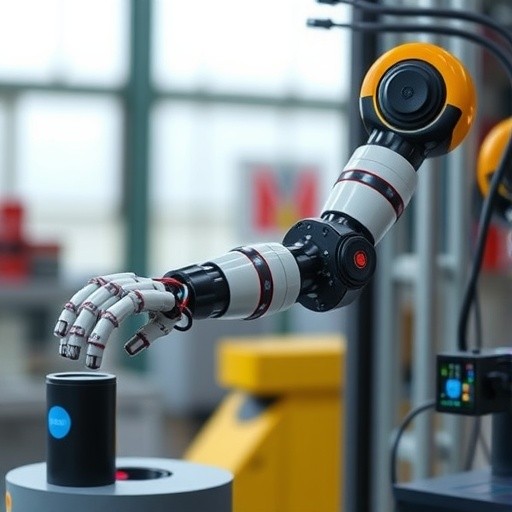
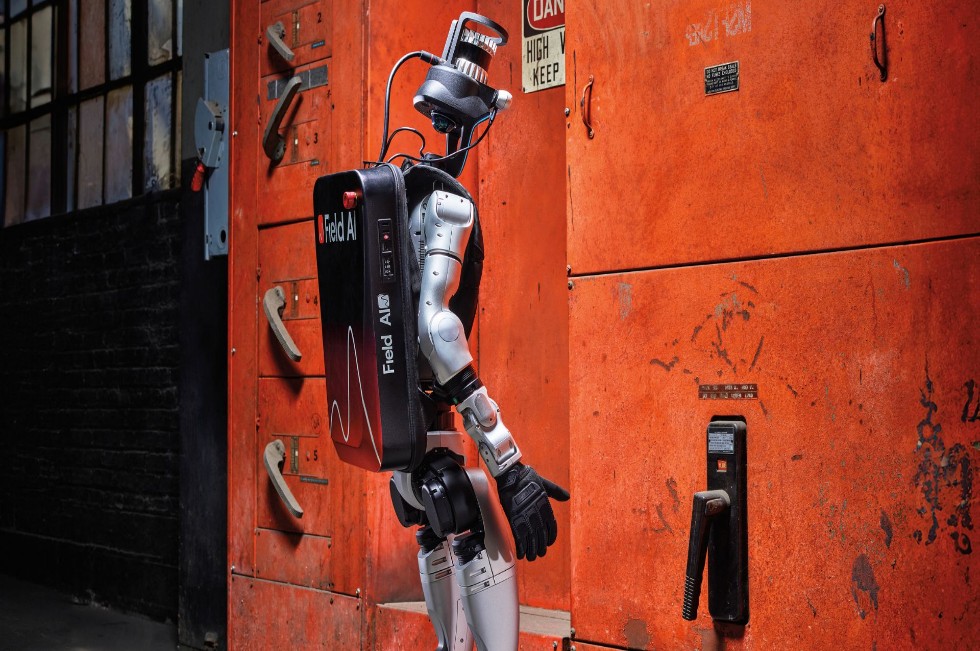
Figure 1. Manufacturing Robotics.
The system combines heuristic optimization methods with machine-learning algorithms. While heuristic techniques rapidly explore potential solutions, AI models predict the outcomes of different movements, allowing robotic arms to make smarter and more informed decisions in real time. This results in improved precision and operational efficiency.
A key advantage of the technology is its ability to handle uncertainty in manufacturing environments. Variations in component dimensions, positioning, or operating conditions can reduce assembly quality. The hybrid optimization framework anticipates these changes and adjusts trajectories accordingly, helping maintain consistent accuracy throughout production. Figure 1 shows manufacturing robotics.
During testing in precision assembly applications, including microelectronics manufacturing and biomedical device production, robotic systems using the new strategy completed tasks faster while maintaining exceptional accuracy. These results demonstrate the potential of the technology to increase productivity without sacrificing quality.
The framework incorporates bio-inspired optimization techniques such as genetic algorithms and particle swarm optimization [1]. These methods imitate natural evolutionary and collective behaviors to refine robotic motion paths. Neural-network models further enhance performance by predicting the feasibility and efficiency of potential trajectories before execution.
Energy efficiency is another major benefit. By optimizing movement paths and reducing unnecessary motor activity, the system lowers power consumption and minimizes wear on robotic components. This can reduce maintenance costs, extend equipment lifespan, and support sustainability goals in modern manufacturing facilities.
Researchers believe the technology could eventually expand beyond factory automation into fields such as surgical robotics and aerospace manufacturing. Future developments may include reinforcement learning and real-time sensor feedback, enabling robotic arms to continuously improve their performance and adapt to changing environments with even greater intelligence and precision.
References:
- https://bioengineer.org/hybrid-ai-optimizes-robotic-arms-for-precision-assembly/
Cite this article:
Keerthana S (2026), Hybrid Intelligence Revolutionizes Precision Manufacturing Robotics, AnaTechMaz, pp.374
Recent Post
-

Agile Robots Joins Forces with Google DeepMind in New Robotics Partnership
Agile Robots has entered into a new partnership with Google....
-
Amazon Buys Humanoid Robotics Startup Fauna Robotics
Amazon has acquired New York–based humanoid robotics startup Fauna Robotics, as confirmed....
-
DJI Brings Immersive Aerial Dogfighting Experience to Insta360
The imaging system is built around 1-inch–equivalent sensors with 2.4-micrometer....
-
Robot Legs Wow in Demo: Skating, Stair-Climbing, and One-Wheel Balancing
Launched in 2022 with a $400 million investment from Hyundai....
-

Tiny Robots, 50 Times Thinner Than a Hair, Can Track and Move Bacteria
Photon-powered nanorobots can precisely steer, capture, and.....
-
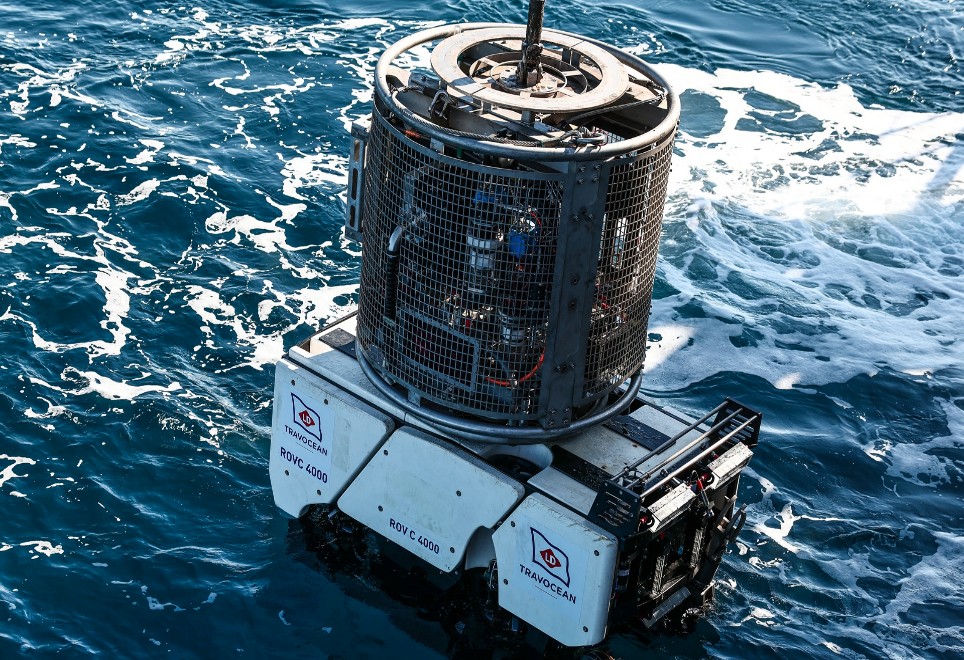
“Robot Explores 1.5 Miles Below, Captures 86,000 Images of French Shipwreck”
A cutting-edge underwater robot has captured thousands of....
-

“Notion Faces Data Exposure Risk from Unprotected API Access”
Privacy-focused browser maker Brave Software has rolled out its “Shred” feature to Android...
-

Humanoid Robot Passenger Sparks Flight Delay Over Oversized Banned Battery in the U.S.
An unusual airline incident unfolded in California when a....
-
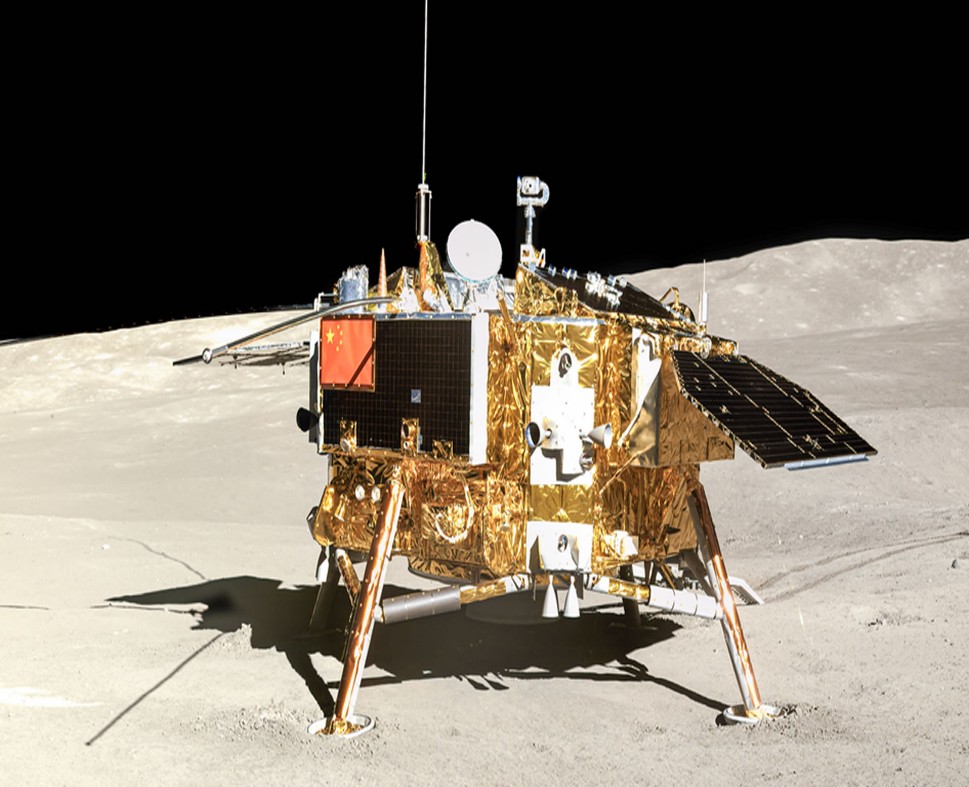
China’s New Moon Robot Aims to Assist Future Lunar Missions
China has unveiled a new AI-powered lunar robot designed to assist future Moon missions by carrying....
-

Touch-Sensitive Robot Can Navigate Like Humans Without Vision
Researchers at the National University of Singapore have....
-
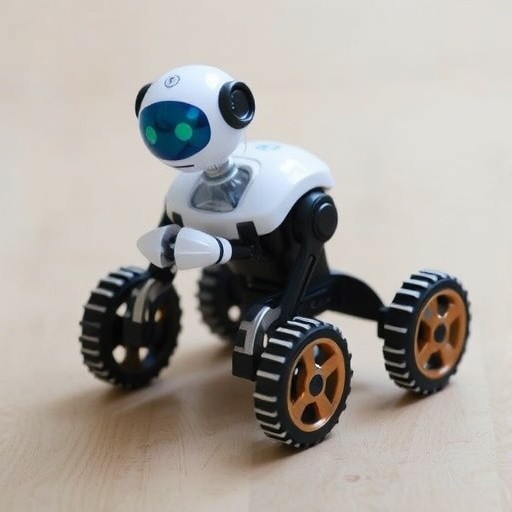
Brain-Like Navigation Gives Robots Smarter Mobility
For decades, robotics researchers have envisioned autonomous machines capable of navigating...

NVIDIA Builds the Foundation for an AI-Driven Robotic Future
As artificial intelligence moves beyond software and into the physical world, NVIDIA is positioning itself at....
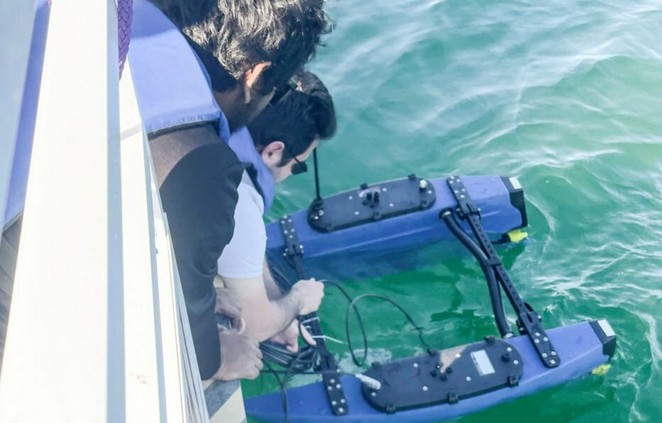
New Low-Power Antenna Boosts Deep-Water Robot Communication
Communicating underwater has long been one of the biggest challenges facing autonomous underwater....
Hybrid Intelligence Revolutionizes Precision Manufacturing Robotics
Researchers led by Changtian Z., Jiaxuan H., and Xinyang L. have developed an...
Robots Break Free from Maps with Smarter LiDAR Technology
Autonomous robots are taking a major step toward operating independently in complex, real-world ....