

Futuristic Visions Captured in Stunning Robot Imagery
Humans have long been fascinated with their own image. In the 1920s play R.U.R. (Rossum’s Universal Robots), Czech writer Karel Čapek coined the term “robot” to describe human-like beings forced to work in factories. Since then, engineers have created numerous humanoid robots capable of moving and interacting with the world in lifelike ways.
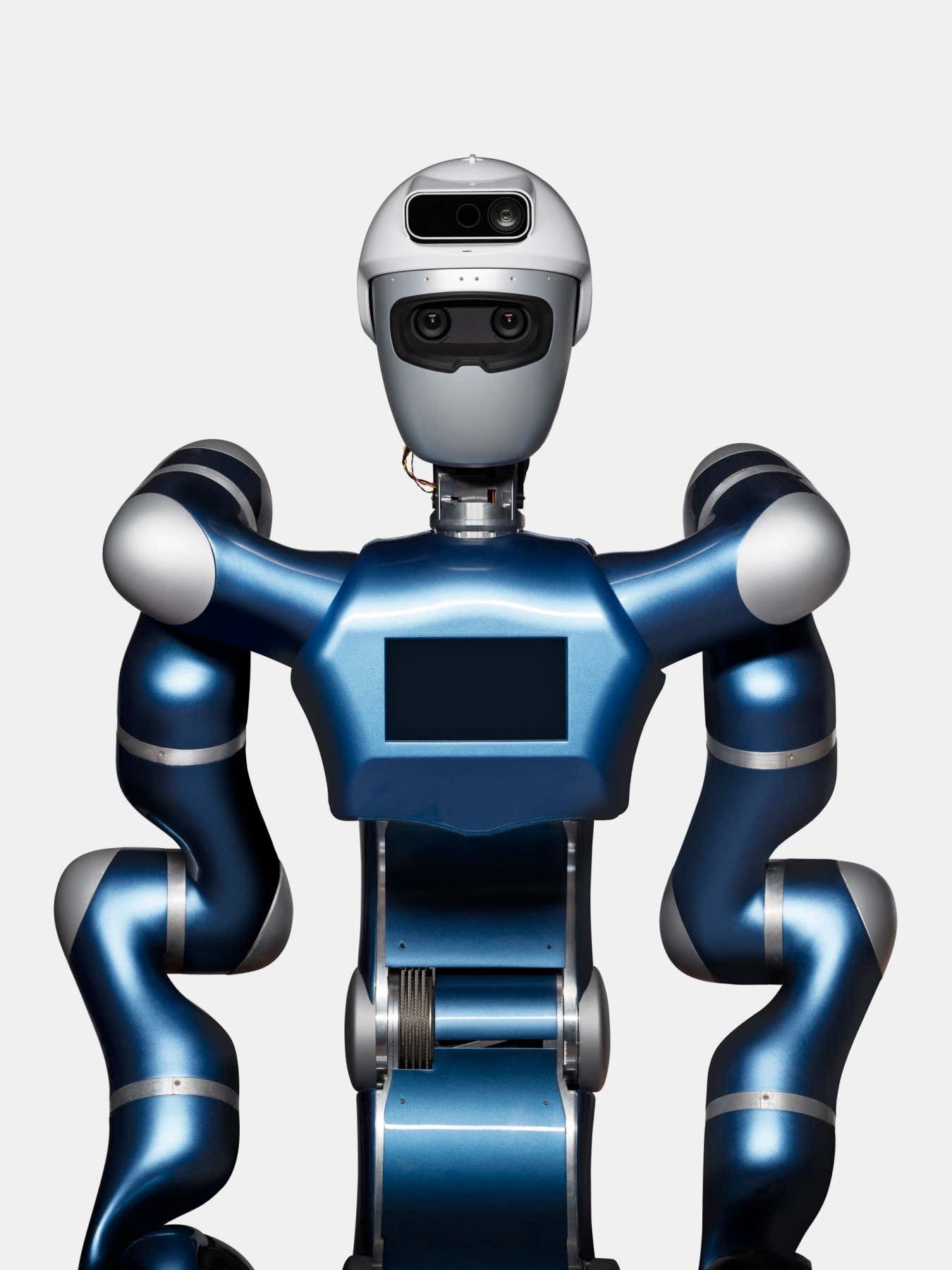
Figure 1. Stunning Robot Imagery Offers a Glimpse of the Future.
Award-winning photographer Henrik Spohler, working with photo agency laif, examines these efforts in his project Tomorrow Is the Question. The main image above features a metallic creation from the German Aerospace Center’s Institute of Robotics and Mechatronics in Oberpfaffenhofen. Weighing 200 kilograms, the robot—named Rollin’ Justin—travels long distances on wheels. Equipped with cameras to perceive its surroundings, it can navigate obstacles and perform tasks such as serving drinks. In the future, it could be adapted to assist astronauts or support people with disabilities. Figure 1 shows Stunning Robot Imagery Offers a Glimpse of the Future.
Origins of the Robot Concept
Explore how the idea of humanoid machines began, from Karel Čapek’s 1920s play R.U.R. to early mechanical automatons. Discuss how the term “robot” was coined and the cultural fascination with human-like machines.
Humanoids in Motion
Highlight modern robots that move and interact with the world in lifelike ways. Show examples of walking, wheeled, and multi-limbed robots, emphasizing how designers mimic human or animal movements.
Everyday Applications
Examine how robots are being integrated into daily life, from serving drinks and delivering packages to assisting in factories, hospitals, or homes. Include Rollin’ Justin as a case study of a robot performing practical tasks.
Robots in Extreme Environments
Focus on robots designed for challenging conditions, such as space exploration, deep-sea research, or disaster relief. Explain how sensors, cameras, and AI allow them to navigate obstacles and make autonomous decisions.
The Future of Human-Robot Interaction
Speculate on the potential of robots to assist humans, from supporting astronauts and people with disabilities to becoming companions or collaborators. Highlight ongoing research and artistic projects that capture the imagination of tomorrow.
Source: New Scientist
Cite this article:
Priyadharshini S (2025), Futuristic Visions Captured in Stunning Robot Imagery, AnaTechMaz, pp.294
Recent Post
-

Vine Robot Expands by Everting its Own Skin from the Tip
Researchers have developed miniature, steerable vine-like robots capable of navigating complex pathways....
-
Morphing Robot Duo Walks, Drives and Takes to the Skies
Like something straight out of an early Transformers movie, researchers at Caltech....
-
Robot Hands are Growing Increasingly Human-Like
Hyundai-owned Boston Dynamics recently unveiled a new set of grippers” for its streamlined Atlas ....
-
Spider-Inspired Construction Robot Could Build a House in Just One Day
Instead of performing individual tasks like tying rebar or assembling....
-
X-BAT Combat Drone Combines VTOL Agility, Stealth and High-Speed Performance
Autonomous aircraft makers seem to be engaging in a bit of one-upmanship ....
-
TikTok Robot Sensation Rizzbot Flips off Users
Rizzbot, a kid-sized humanoid robot built by Unitree Robotics with over a million TikTok followers and more...
-
Mbodi to Demonstrate AI-Powered Robot Training at TechCrunch Disrupt 2025
Robots can perform a wide range of tasks, from packing boxes....
-
Dive Deeper: The First Underwater Exoskeleton that Enhances Your Swimming Instincts
Divers may soon get a helpful boost to their flutter kicks thanks to....
-
Futuristic Visions Captured in Stunning Robot Imagery
Humans have long been fascinated with their own image. In the 1920s play R.U.R. (Rossum’s Universal Robots)....
-

Marching Robot Inspired by Nature Brings 'Interstellar' to Life
If you want to build a real-life HAL 9000, all you really need is an LED, some carpentry skills, and a laptop....
-
Microscopic Robots Navigate Your Bloodstream to Combat Strokes
Microrobots could become a promising method for clearing dangerous blood vessel blockages that lead to strokes....
-
Watch: Hyper-Realistic Robot Revealed as Machine in Shocking Dissection
When Xpeng unveiled its next-gen Iron humanoid earlier this month, it stole....
-
DARPA Pledges $6.5M for Top Small Heavy-Lift Drone Innovations
Through its Tactical Technology Office (TTO), DARPA aims to push drone technology forward with its Lift....
-
Agile Robots Takes Over Thyssenkrupp Automation Engineering
A physical AI company is deepening its capabilities in industrial automation....
-
Advantech Combines Computing Power with D3 Embedded Sensing for Mobile Robots
As mobile robots increasingly populate factories and warehouses, there....