

Robot Hands are Growing Increasingly Human-Like
Hyundai-owned Boston Dynamics recently unveiled a new set of “grippers” for its streamlined Atlas factory robot. (Fans of the company may recall Atlas’ larger, bulkier predecessor.) These claw-like, three-fingered pincers include an elongated thumb, making them particularly adept at pinching and holding objects. While Atlas was designed with a humanoid form in mind, its hands aren’t exact replicas of human ones. Instead, engineers optimized the design for tasks such as sorting, packing, and handling items—functions the robot would perform repeatedly in a factory or warehouse environment.
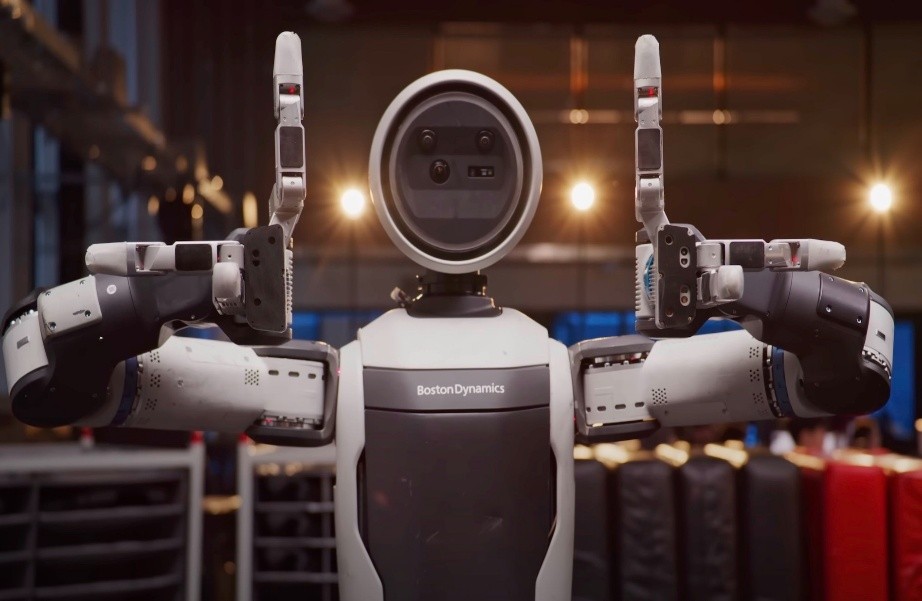
Figure 1. Robot Hands Take a More Human Form.
That stands in stark contrast to the more human-like robot hands unveiled by Figure last week. In a flashy video introducing its knitwear-clad “Figure 03” model, the company highlights robots performing delicate tasks such as watering plants, washing dishes, and carefully handing a glass of water to humans. Much like Tesla’s egg-handling Optimus robot, Figure is signaling a vision of humanoid robots integrated into everyday home life, describing its latest model as a “general-purpose humanoid robot for everyday use.” Figure 1 shows Robot Hands Take a More Human Form.
Yet the routine tasks showcased—along with the many others needed for a functional robot butler—present very different engineering challenges than those faced by a machine built for sorting boxes all day. In this sense, the design of a robot’s hands offers a revealing glimpse into the broader role it is meant to play in the world.
Why Human Hands Are So Hard to Copy
Hands may be among the most difficult human body parts to replicate in robotic form. Each hand contains more than 30 muscles and 27 joints, offering 27 degrees of freedom. Add to that over 17,000 touch receptors and nerve endings, which allow us to perform an astonishing range of actions—from typing on a keyboard or delicately writing with a pen to lifting a heavy barbell.
While robotic hands and advanced prosthetics have made great strides in recent years, none match the sophistication, reliability, and intuitive simplicity of a human hand. This remains a major hurdle for humanoid robots, which are increasingly being developed to augment—or even replace—human labor.
Sometimes, Three Fingers Are More Than Enough
In the case of Atlas, the new three-pronged gripper hand is an evolution of the robot’s earlier design. The original model worked adequately but tended to fail with prolonged use, prompting the development of a second-generation gripper designed to be “rugged and reliable.” According to Atlas mechanical engineer Karl Price, the current version has seven degrees of freedom and seven actuators—two per finger, plus one dedicated to an articulated thumb joint. Each fingertip includes tactile sensors that mimic the human sense of touch, while cameras are embedded in the palms.
The most notable innovation, however, is the addition of an opposable thumb—a feature that sets human hands apart from those of most other animals. While it may seem minor, Boston Dynamics engineers say this addition greatly expands the types of grasps Atlas can perform and enhances the robot’s flexibility in deciding how to pick up objects.
So, if a thumb improves performance, why didn’t Boston Dynamics simply replicate a full human hand? Price explains that the team settled on three fingers because it represented the “fewest number of fingers that can achieve very complex manipulations and tasks.”
The opposable thumb, for example, increases the spacing between fingers, helping Atlas maintain a more stable grasp—especially with heavier objects. It also enables delicate two-finger “pinch grasps” for handling small items like bolts. While the team did consider adding additional fingers, they ultimately concluded the added complexity wasn’t worth it.
Why Robot Butlers Will Need Human-Like Hands
Three fingers may suffice in a factory, but companies like Figure, aiming to bring humanoid robots into homes, believe more fingers are essential. The 5’6″ Figure 03 includes embedded palm cameras for “close-range visual feedback during grasps,” along with softer, more adaptive fingertips that improve stability across a wide variety of object sizes, shapes, and textures. Each finger incorporates advanced tactile sensors capable of detecting forces as small as three grams, allowing the robot to register items as light as a paperclip or a playing card.
Future Robots May Look Even More Human
Even Boston Dynamics engineers, who have focused on developing efficient grippers, envision a future where robots more closely resemble humans.
There are practical reasons for this trend, both for manufacturing robots and those designed for the home. In factories, five-fingered hands allow robots to operate tools made for humans, reducing the need to create entirely new tools or systems specifically for robots. This capability also provides industry leaders with more incentive to replace human labor.
Source: POPULAR SCIENCE
Cite this article:
Priyadharshini S (2025), Robot Hands are Growing Increasingly Human-Like, AnaTechMaz, pp.288
Recent Post
-
Vine Robot Expands by Everting its Own Skin from the Tip
Researchers have developed miniature, steerable vine-like robots capable of navigating complex pathways....
-
Morphing Robot Duo Walks, Drives and Takes to the Skies
Like something straight out of an early Transformers movie, researchers at Caltech....
-
Robot Hands are Growing Increasingly Human-Like
Hyundai-owned Boston Dynamics recently unveiled a new set of grippers” for its streamlined Atlas ....
-
Spider-Inspired Construction Robot Could Build a House in Just One Day
Instead of performing individual tasks like tying rebar or assembling....
-
X-BAT Combat Drone Combines VTOL Agility, Stealth and High-Speed Performance
Autonomous aircraft makers seem to be engaging in a bit of one-upmanship ....
-
TikTok Robot Sensation Rizzbot Flips off Users
Rizzbot, a kid-sized humanoid robot built by Unitree Robotics with over a million TikTok followers and more...
-
Mbodi to Demonstrate AI-Powered Robot Training at TechCrunch Disrupt 2025
Robots can perform a wide range of tasks, from packing boxes....
-
Dive Deeper: The First Underwater Exoskeleton that Enhances Your Swimming Instincts
Divers may soon get a helpful boost to their flutter kicks thanks to....
-
Futuristic Visions Captured in Stunning Robot Imagery
Humans have long been fascinated with their own image. In the 1920s play R.U.R. (Rossum’s Universal Robots)....
-

Marching Robot Inspired by Nature Brings 'Interstellar' to Life
If you want to build a real-life HAL 9000, all you really need is an LED, some carpentry skills, and a laptop....
-
Microscopic Robots Navigate Your Bloodstream to Combat Strokes
Microrobots could become a promising method for clearing dangerous blood vessel blockages that lead to strokes....
-
Watch: Hyper-Realistic Robot Revealed as Machine in Shocking Dissection
When Xpeng unveiled its next-gen Iron humanoid earlier this month, it stole....
-
DARPA Pledges $6.5M for Top Small Heavy-Lift Drone Innovations
Through its Tactical Technology Office (TTO), DARPA aims to push drone technology forward with its Lift....
-
Agile Robots Takes Over Thyssenkrupp Automation Engineering
A physical AI company is deepening its capabilities in industrial automation....
-
Advantech Combines Computing Power with D3 Embedded Sensing for Mobile Robots
As mobile robots increasingly populate factories and warehouses, there....