

Vine Robot Expands by Everting its Own Skin from the Tip
Researchers have developed miniature, steerable vine-like robots capable of navigating complex pathways in delicate environments—ideal for applications such as surgical procedures and engine inspections.

Figure 1. Vine-Inspired Robot Grows by Turning Its Skin Inside Out.
Just 3–7 mm in diameter and 25 cm long, these soft robots can maneuver through models of human arteries and jet engine interiors. Figure 1 shows Vine-Inspired Robot Grows by Turning Its Skin Inside Out.
Unlike existing vine robots—typically much larger and steered using compressed air, motors, or tendons—this new design achieves precise control at small scales. The researchers accomplished this by integrating a thin layer of liquid crystal elastomer into the robot’s soft skin.
When heated by flexible micro-heaters, these elastomer “actuators” contract, allowing the robot to steer and grow by everting its own skin from the tip.
Experiments showed that the robots could execute multiple turns exceeding 100°, guided by temperature, pressure, or a combination of the two.
“Our work marks a step forward in developing small, steerable, soft vine robots designed for use in delicate and confined environments,” says corresponding author Tania K. Morimoto, an associate professor in the Department of Mechanical and Aerospace Engineering at the University of California San Diego.
A New Kind of Growing Robot
Inspired by climbing plants, researchers have designed a vine-like robot that grows not by pushing from the base, but by everting its own skin from the tip—a process similar to turning a sock inside out. This unique form of movement allows the robot to extend its body smoothly without dragging or disturbing its surroundings.
Miniature Design for Delicate Tasks
The new vine robots are incredibly small—just 3–7 mm wide and 25 cm long—allowing them to navigate tight and sensitive spaces such as human arteries or engine interiors. Their flexibility makes them ideal for applications where precision and minimal disruption are critical.
Smart Steering Through Material Innovation
To control their growth and direction, researchers embedded liquid crystal elastomer (LCE) layers into the robot’s soft skin. These materials act like muscles: when heated by flexible micro-heaters, they contract, bending the robot toward a chosen direction and enabling steering at the tip as it grows.
Controlled by Heat and Pressure
In experiments, the robots successfully made multiple turns exceeding 100°, guided by temperature changes, pressure, or both. This combination of control methods allows precise movement even in complex, branching environments—something traditional rigid or tendon-driven systems struggle with at small scales.
Toward Future Soft Robotics Applications
According to the research team at the University of California San Diego, this work represents a major step toward miniaturized, steerable soft robots capable of functioning in delicate and constrained environments. Beyond vine robots, the same soft-skin technology could be adapted for wearable haptic devices, soft grippers, and locomotive soft robots in the future.
Source: COSMOS
Cite this article:
Priyadharshini S (2025), Vine Robot Expands by Everting its Own Skin from the Tip, AnaTechMaz, pp.286
Recent Post
-
Vine Robot Expands by Everting its Own Skin from the Tip
Researchers have developed miniature, steerable vine-like robots capable of navigating complex pathways....
-
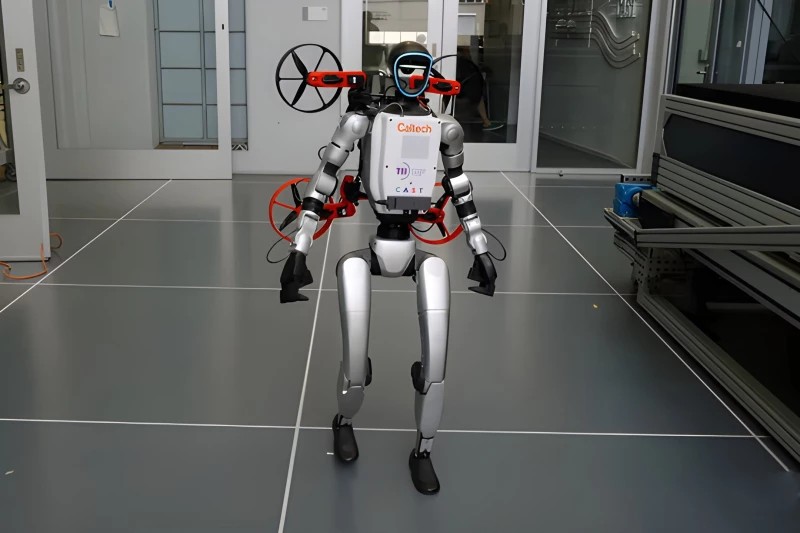
Morphing Robot Duo Walks, Drives and Takes to the Skies
Like something straight out of an early Transformers movie, researchers at Caltech....
-

Robot Hands are Growing Increasingly Human-Like
Hyundai-owned Boston Dynamics recently unveiled a new set of grippers” for its streamlined Atlas ....
-
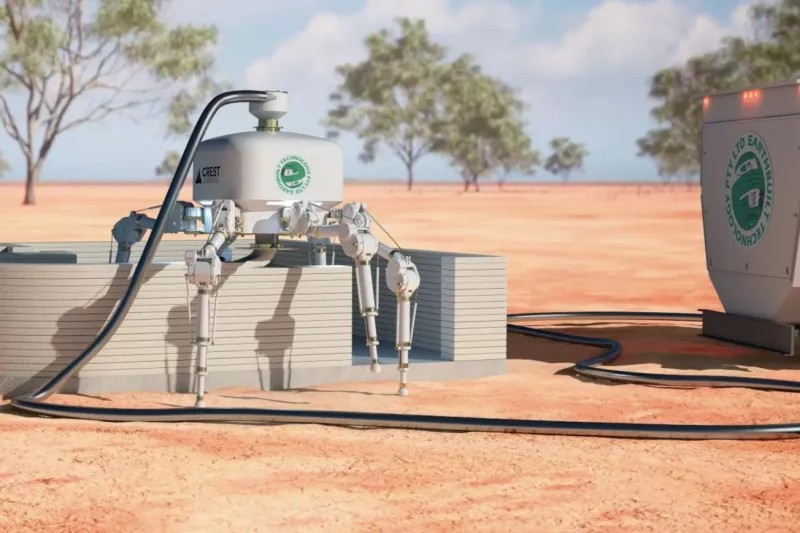
Spider-Inspired Construction Robot Could Build a House in Just One Day
Instead of performing individual tasks like tying rebar or assembling....
-

X-BAT Combat Drone Combines VTOL Agility, Stealth and High-Speed Performance
Autonomous aircraft makers seem to be engaging in a bit of one-upmanship ....
-

TikTok Robot Sensation Rizzbot Flips off Users
Rizzbot, a kid-sized humanoid robot built by Unitree Robotics with over a million TikTok followers and more...
-
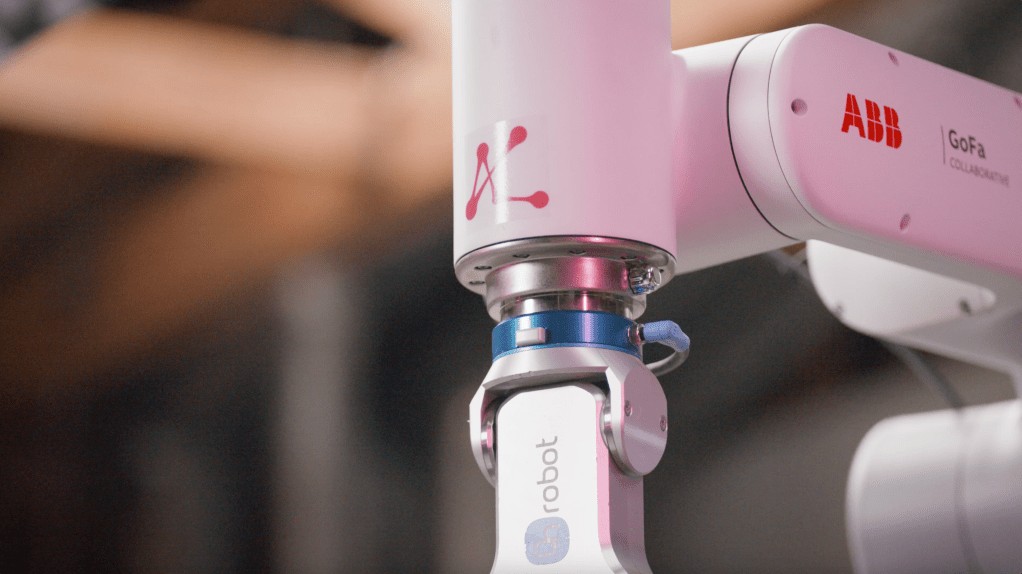
Mbodi to Demonstrate AI-Powered Robot Training at TechCrunch Disrupt 2025
Robots can perform a wide range of tasks, from packing boxes....
-

Dive Deeper: The First Underwater Exoskeleton that Enhances Your Swimming Instincts
Divers may soon get a helpful boost to their flutter kicks thanks to....
-

Futuristic Visions Captured in Stunning Robot Imagery
Humans have long been fascinated with their own image. In the 1920s play R.U.R. (Rossum’s Universal Robots)....
-

Marching Robot Inspired by Nature Brings 'Interstellar' to Life
If you want to build a real-life HAL 9000, all you really need is an LED, some carpentry skills, and a laptop....
-

Microscopic Robots Navigate Your Bloodstream to Combat Strokes
Microrobots could become a promising method for clearing dangerous blood vessel blockages that lead to strokes....
-
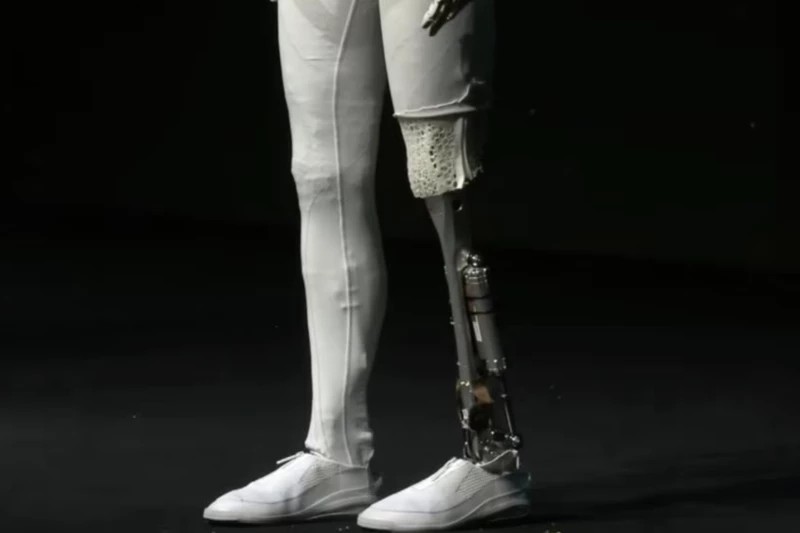
Watch: Hyper-Realistic Robot Revealed as Machine in Shocking Dissection
When Xpeng unveiled its next-gen Iron humanoid earlier this month, it stole....
-

DARPA Pledges $6.5M for Top Small Heavy-Lift Drone Innovations
Through its Tactical Technology Office (TTO), DARPA aims to push drone technology forward with its Lift....
-

Agile Robots Takes Over Thyssenkrupp Automation Engineering
A physical AI company is deepening its capabilities in industrial automation....
-

Advantech Combines Computing Power with D3 Embedded Sensing for Mobile Robots
As mobile robots increasingly populate factories and warehouses, there....