

Web Telescope Provides First Direct Evidence of Carbon Dioxide on an Exoplanet
NASA’s Webb Space Telescope has captured the first direct images of carbon dioxide in an exoplanet beyond our solar system.These images showcase HR 8799, a multi-planet system located 130 light-years from Earth. This discovery not only highlights a key chemical compound essential for Earth’s processes like photosynthesis and the carbon cycle but also suggests that gas giants in other parts of the galaxy may have formed similarly to Jupiter and Saturn
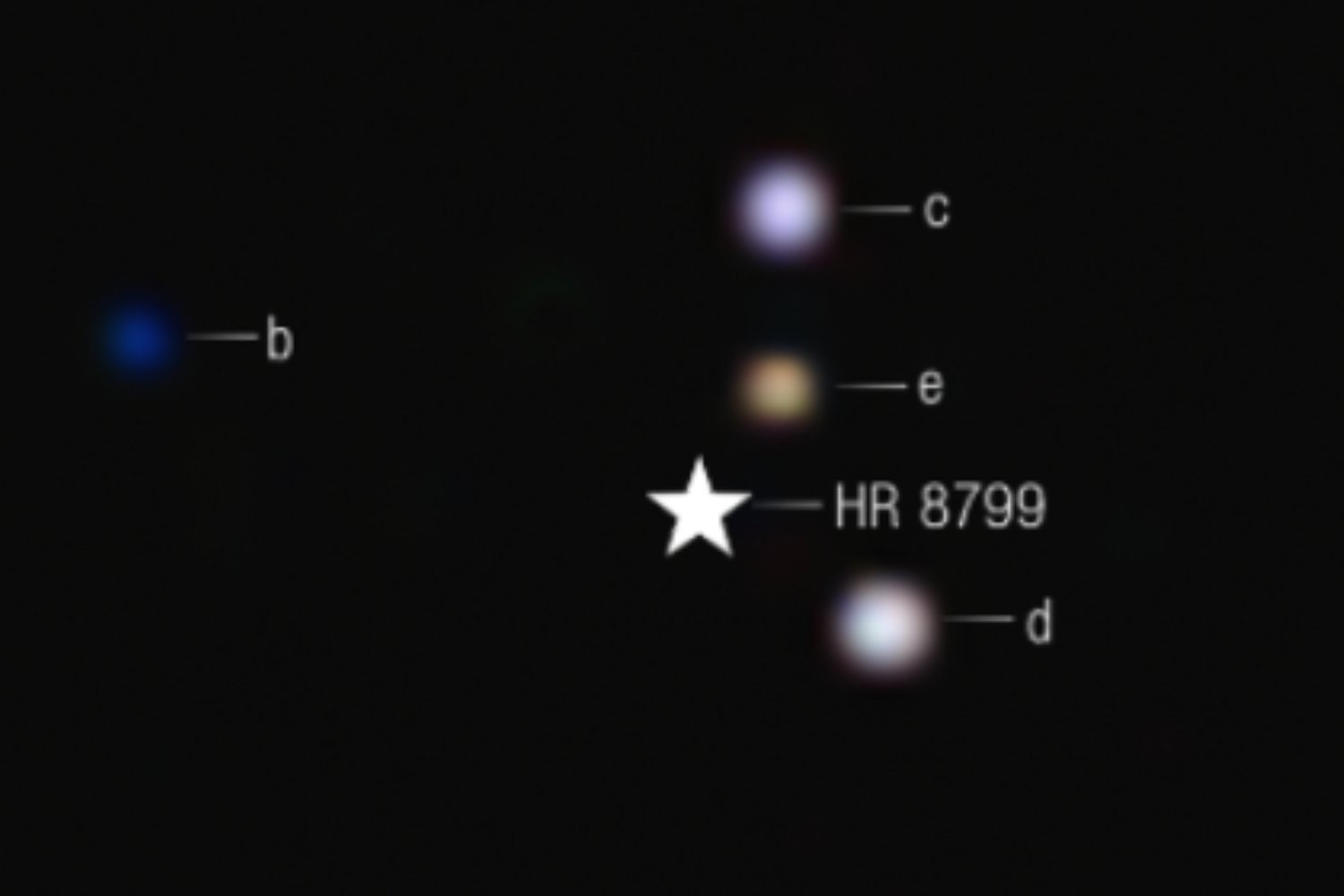
Figure 1. First Direct Evidence of Carbon Dioxide on an Exoplanet.
“By detecting these strong carbon dioxide signatures, we’ve demonstrated that these planets' atmospheres contain a significant number of heavier elements, such as carbon, oxygen, and iron,” said William Balmer, an astrophysicist at Johns Hopkins University and lead author of the study. “Given what we know about the star they orbit, this likely indicates they formed through core accretion.”
At approximately 30 million years old, the HR 8799 system is still in its infancy on cosmic timescales—having formed roughly halfway between the extinction of the dinosaurs and the present day [1]. For comparison, our solar system is about 4.6 billion years old. Figure 1 shows first direct evidence of carbon dioxide on an exoplanet.
Due to its early stage of development, the planets within HR 8799 emit significant infrared light—ideal for detection by the Webb Space Telescope, which operates in infrared and near-infrared wavelengths. By analyzing these emissions, scientists can learn about how these planets formed and uncover more details about their characteristics.
By studying exoplanetary systems, researchers aim to better understand our solar system, life, and our place in the universe. Comparing other star systems helps determine whether ours is unique or typical.
Scientists believe gas giants like Jupiter form either through core accretion or rapid collapse. Analysis suggests the four planets in HR 8799 formed via core accretion, and further Webb observations could reveal how common this process is.
In 2022, Webb indirectly detected carbon dioxide in WASP-39b’s atmosphere. Its latest findings confirm the telescope’s ability to directly observe the gas [2]. Studying HR 8799’s gas giants provide insight into their effects on smaller planets. The team also identified the system’s innermost planet, showcasing Webb’s capabilities.
With its transformative discoveries, Webb is revolutionizing astrophysics, uncovering ancient light and previously unseen planets. Expected to operate for at least a decade, it promises years of groundbreaking insights into planetary formation.
Reference:
- https://gizmodo.com/webb-telescope-captures-first-direct-evidence-of-carbon-dioxide-on-an-exoplanet-2000576729
- https://scitechdaily.com/webb-just-captured-the-first-direct-image-of-carbon-dioxide-on-an-exoplanet/
Cite this article:
Keerthana S (2025),Webb Telescope Provides First Direct Evidence of Carbon Dioxide on an Exoplanet,AnaTechMaz,PP.256
Recent Post
-
Web Telescope Provides First Direct Evidence of Carbon Dioxide on an Exoplanet
NASA’s Webb Space Telescope has captured the first direct images of carbon dioxide in an exoplanet beyond...
-

NASA’s SpaceX Crew-9 Splashes Down Off Coast of Florida
NASA astronauts Nick Hague, Suni Williams, Butch Wilmore, and Roscosmos cosmonaut...
-
AI Uncovers a Cosmic Secret, Revealing Hidden Bubbles in the Milky Way
A team of Japanese researchers has leveraged artificial...
-
Google's Inaugural Satellite Designed for Wildfire Detection Is Now in Orbit
The first satellite in a groundbreaking constellation designed to...
-
Scientists Have Captured the Sharpest Image Yet of The Universe’s First Light
The Atacama Cosmology Telescope (ACT) has captured the most...
-
NASA's Cloud Software Helps Businesses Secure Their Spot in Space
Planning space missions is a complex process that requires precise...
-
Scientists Discover an Unusual Gas on Exoplanets, Potentially the Biggest Clue in The Search for Alien Life
Scientists from the University of California, Riverside, propose...
-
Ultra-Thin Lightsails with Micro-Perforations for High-Speed Space Travel
Researchers from TU Delft and Brown University have developed...
-
Andromeda XXXV: A Newly Discovered Galaxy That Defies Expectations
Astronomers have discovered Andromeda XXXV, the faintest...
-
Blood Moon Rising: Witness The Breathtaking Total Lunar Eclipse
On the night of March 13 into the early hours of March 14,...
-
After A Century of Searching, Astronomers Confirm Four Planets Orbiting Barnard’s Star
Astronomers have uncovered strong evidence that Barnard’s...
-
Ancient Asteroid Reveals 4.6-Billion-Year-Old Magnetic Secrets of The Solar System
Around 4.6 billion years ago, the solar system emerged from a dense cloud of interstellar ...
-
Could Black Holes Serve as Gateways to Another Universe? Scientists Explore the Possibility
New research from the University of Sheffield has the potential...
-
When Disks Collide: The Turbulent Origins of Rogue Planets
To explore this concept, scientists from multiple institutions—including the University of Zurich...
-
NASA’s SpaceX Crew-10 Prepared for Launch
NASA and SpaceX are on track to launch the Crew-10 mission...