

Analyzing Gothic 1 Remake PC Performance
Gothic 1 Remake has launched on PC with Unreal Engine 5, making it a strong candidate for performance testing across modern hardware. The benchmark was conducted using an AMD Ryzen 9 7950X3D with 32GB of DDR5-6000 memory, alongside a range of AMD and NVIDIA graphics cards, including the Radeon RX 6900 XT, RX 7900 XTX, RX 9070 XT, and GeForce RTX 2080 Ti, RTX 3080, RTX 4090, RTX 5080, and RTX 5090, running on Windows 10 with the latest graphics drivers.
Alkimia Interactive has included a wide range of graphics options, allowing PC players to fine-tune settings such as textures, global illumination, view distance, and shadows. The game also supports major upscaling technologies, including NVIDIA DLSS 4.5, AMD FSR 3.1, and Intel XeSS 1.3.
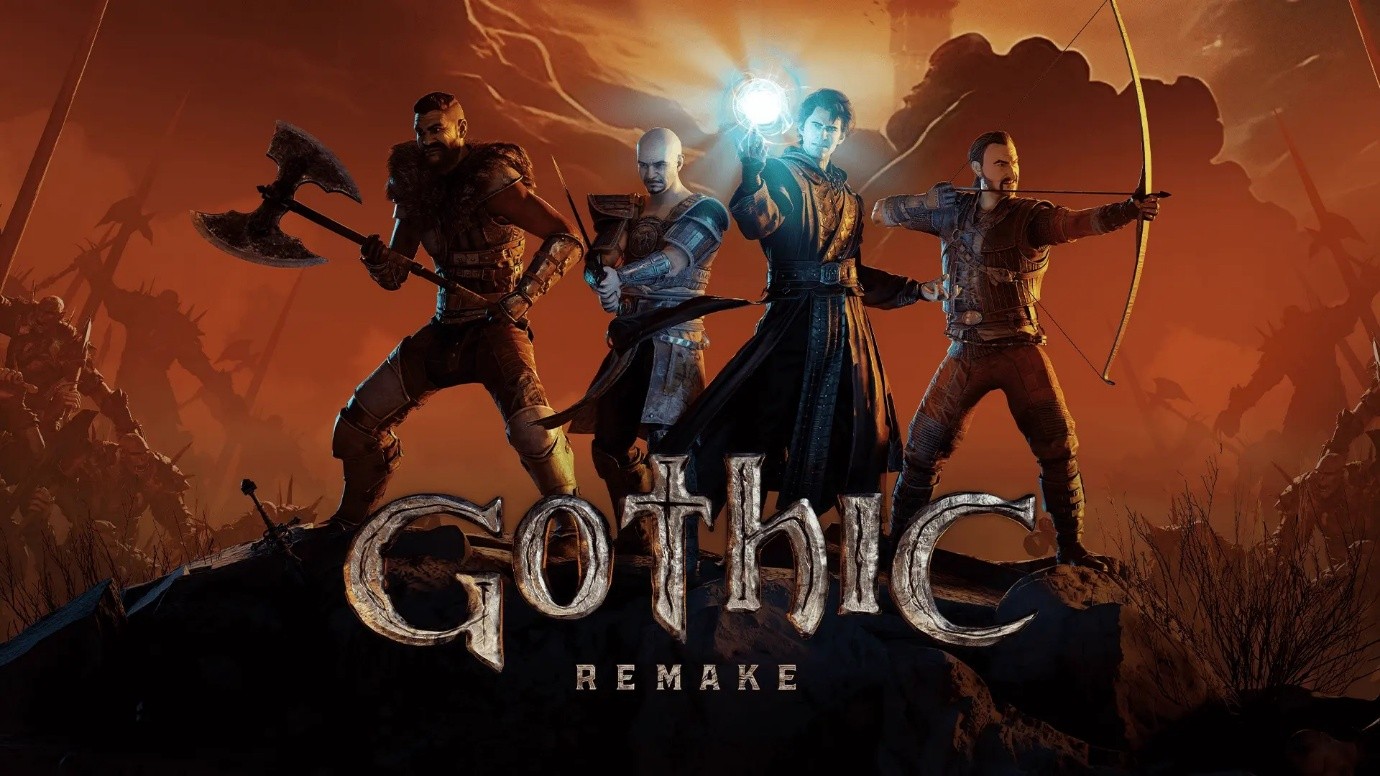
Figure 1. Gothic 1 Remake PC Performance Tested
Since Gothic 1 Remake lacks a built-in benchmark tool, testing was performed in one of the game's most demanding early areas. This scene provides a reliable indication of overall PC performance throughout the game. Figure 1 shows Gothic 1 Remake PC Performance Tested.
The benchmarks were conducted using the Very High graphics preset, as Alkimia Interactive describes its Experimental (Maximum) preset as being intended for high-end GPUs and upscaling. While both presets look similar overall, the Experimental setting reduces noticeable object pop-in, offering slightly improved visual quality.
At 1080p with the Very High preset, Gothic 1 Remake delivers 60 FPS or better on a broad range of modern GPUs. High-end graphics cards maintained smooth performance throughout, while the NVIDIA RTX 3080 and AMD Radeon RX 6900 XT also averaged above 60 FPS, though occasional dips into the 50 FPS range make a G-Sync or FreeSync display beneficial for smoother gameplay.
At 1440p using the Very High preset, the top three NVIDIA GPUs consistently maintained frame rates above 60 FPS. AMD’s Radeon RX 9070 XT and RX 7900 XTX averaged 70 FPS and 68 FPS, respectively, though both experienced occasional drops below 50 FPS in more demanding scenes.
For native 4K at the Very High preset, the NVIDIA RTX 5090 is the only GPU capable of maintaining over 60 FPS, delivering a minimum of 65 FPS and an average of 74 FPS. This shows that smooth 4K gameplay is achievable even with Lumen enabled, provided you have top-tier hardware.
Running Gothic 1 Remake at native 4K with the Very High preset requires an NVIDIA RTX 5090 to consistently exceed 60 FPS. The GPU achieved a minimum of 65 FPS and an average of 74 FPS, demonstrating that smooth 4K performance is possible with Lumen enabled on flagship hardware.
Gothic 1 Remake scales effectively across its graphics presets. At native 4K, the Overdose preset reduced RTX 5090 performance to 42 FPS on average, while the Very High preset maintained over 60 FPS. The High and Medium presets offered modest gains, whereas the Low preset boosted performance dramatically, reaching 109 FPS minimum and 117 FPS average.
Gothic 1 Remake supports NVIDIA DLSS 4.5, delivering a significant performance boost. On an RTX 5090 at native 4K with the demanding Overdose preset, DLSS Quality increased performance from 42 FPS to 64 FPS on average, while Multi Frame Generation (MFG) pushed frame rates beyond 100 FPS with only minor visual artifacts. Visually, the game features impressive Unreal Engine 5 environments, though character models and animations are less polished than those in top-tier AAA titles [1]. Aside from occasional minor traversal stutters, the game runs smoothly on a wide range of PCs, especially when using the Very High preset or supported upscaling technologies, making it one of the better-optimized Unreal Engine 5 releases.
References:
- https://www.dsogaming.com/pc-performance-analyses/gothic-1-remake-pc-performance-analysis/
Cite this article:
Janani R (2026), Analyzing Gothic 1 Remake PC Performance, AnaTechMaz, pp. 475
Recent Post
-

Sony Reports $765M Loss Linked to Bungie as Marathon Slips Further
Riftbound’s third expansion, Riftbound: Unleashed, has launched in English....
-

The Witcher 3 Online Version 4.0 Released with Major Updates
Modder rejuvenate has released Version 4.0 of Witcher Online, the ambitious multiplayer mod for The....
-
Guns of Eschaton Is a Soulslike FPS With a Half-Life 2 Art Director Behind Its World
4Divinity and Eschatology Entertainment have unveiled Guns of....
-
Onimusha: Way of the Sword Release Date Moved Up
Capcom has moved the release date of Onimusha: Way of the Sword forward. Originally scheduled for September.....
-

NCSoft Reveals Official PC Requirements for Cinder City
NCSoft has announced the official PC system requirements for its upcoming MMO tactical shooter, Cinder City...
-

Turok: Origins Official Gameplay Trailer Released
Saber Interactive has released a short, one-minute trailer for Turok: Origins, showcasing a mix of takedowns....
-

Death Stranding 2 Update 1.10 Released with Full Patch Notes
Kojima Productions and Nixxes have rolled out Title Update 1.10 for Death Stranding 2, along with the complete....
-

Magic Should Ban Sol Ring from Commander Now
In Commander, one card is considered almost indispensable: Sol Ring. Alongside lands, removal spells, and....
-
In Praise of FF7's Cait Sith
Final Fantasy 7 is packed with iconic characters who have become gaming legends. Cloud’s cool, detached persona, Tifa’s enduring popularity...
-
Analyzing Gothic 1 Remake PC Performance
Gothic 1 Remake has launched on PC with Unreal Engine 5, making it a strong candidate for performance testing....
-
Pragmata Can Be Completed in Under 80 Minutes
While a typical playthrough of Capcom’s sci-fi shooter Pragmata can take around 12 hours, a speedrunner....
-

Arcana Unleashed Is D&D 5.5e’s First True Test
The next major release for Dungeons & Dragons introduces its first large-scale adventure in several years. After a....
-
Magic: The Gathering May Get a World of Warcraft Set in 2027
Wizards of the Coast revealed at Gen Con that its Universes Beyond crossover strategy will expand into....
-

LEGO Pokémon Smart Play Redefines Building and Battles
LEGO’s new Smart Brick technology is expanding beyond its initial releases, with upcoming Pokémon-themed....
-
Super Mario Sunshine Returns on Switch 2
Super Mario Sunshine will arrive on Nintendo Switch 2 in August through the Nintendo Switch Online....