

In Praise of FF7's Cait Sith
Final Fantasy 7 is packed with iconic characters who have become gaming legends. Cloud’s cool, detached persona, Tifa’s enduring popularity, and Vincent Valentine’s brooding style have earned them devoted fans for decades. Yet among the game's memorable cast, one playable character has long stood out as the odd one out: Cait Sith, often regarded as the series' most overlooked and divisive party member.
Cait Sith’s poor reputation in the original Final Fantasy 7 comes from several factors. His overly chatty mascot personality annoyed many players, his unpredictable Limit Breaks could backfire disastrously, and his role as a Shinra informant made him difficult to trust. However, Final Fantasy 7 Rebirth reworks the character in meaningful ways, transforming him from one of the game's most disliked party members into a far more engaging and likable companion.
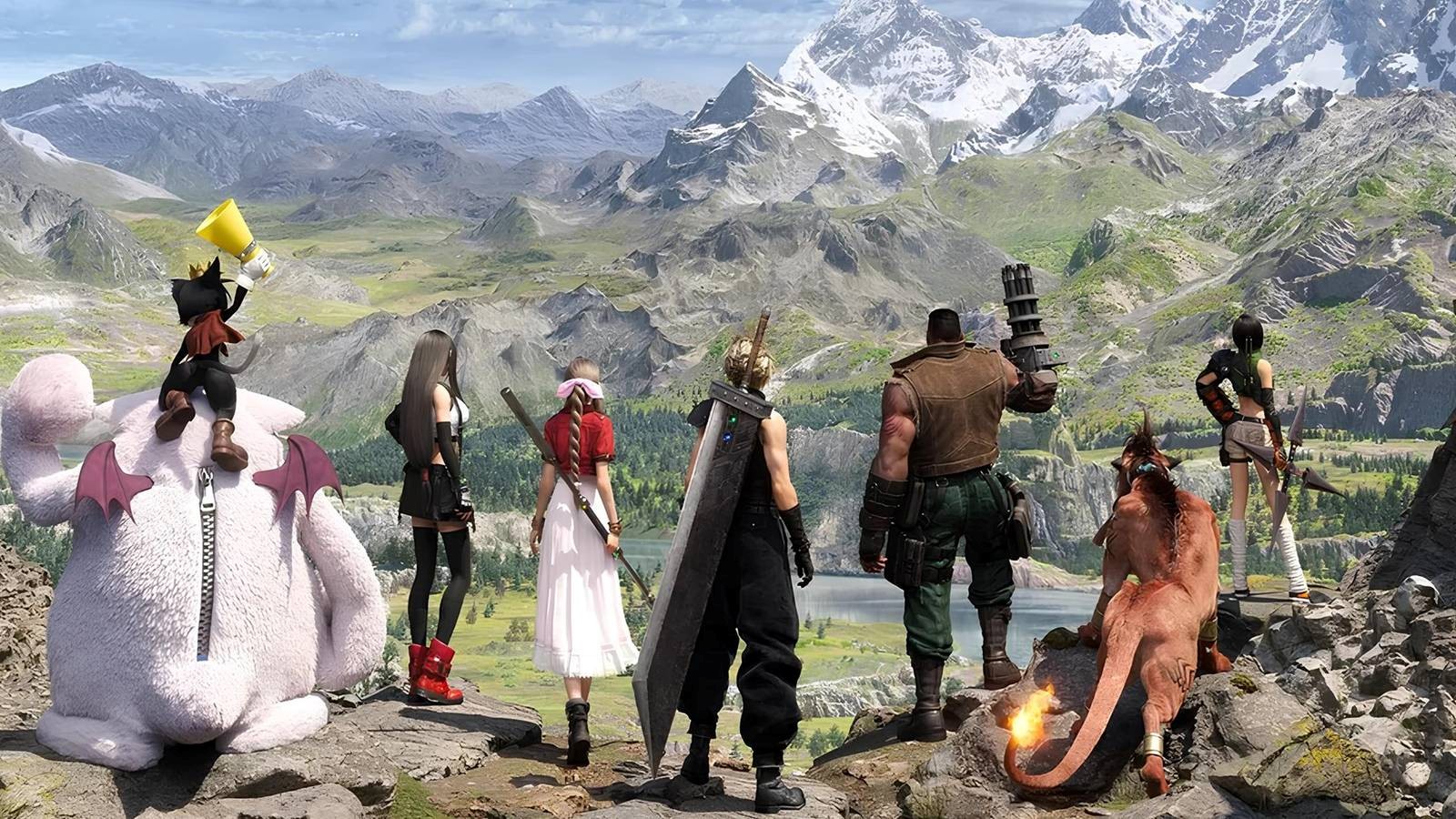
Figure 1. Final Fantasy 7
In both the original Final Fantasy 7 and its remakes, Cait Sith is a robotic puppet secretly controlled by Shinra executive Reeve, who initially spies on Cloud's group. Although he eventually betrays the party, he redeems himself by joining them for good and sacrificing his disposable robotic body to retrieve the Black Materia. In the 1997 game, however, this redemption felt underdeveloped. Reeve showed occasional discomfort with Shinra’s ruthless actions, but his change of heart lacked depth, making him seem more like a reluctant bystander than someone genuinely seeking redemption. Figure 1 shows Final Fantasy 7.
Cait Sith's awkward reputation is only reinforced by certain moments in the original game. If he's in your party during Aerith's death scene, he performs an odd, dance-like animation beside her body—a moment many players have found unintentionally comical and out of place. Rather than providing emotional relief, it clashes with the scene's somber tone, making the character seem insensitive at one of the story's most heartbreaking moments.
Final Fantasy 7 Rebirth gives Cait Sith a much stronger introduction, making him far more likable from the start. He openly admits that he works for Shinra instead of hiding his identity, and the remake removes the unpopular subplot in which he kidnaps Marlene to force his way back into the party. More importantly, Cait Sith comes across as someone who genuinely cares about Cloud and the group, rather than simply serving Shinra's interests. His cheerful Celtic accent and playful personality—especially his enthusiasm for Cloud and Tifa's budding relationship—add warmth and charm that help redefine the character.
Cait Sith's solo chapter in Shinra Manor may overstay its welcome, thanks to its slow-paced box-tossing puzzles, but it also highlights the character's newfound appeal in Final Fantasy 7 Rebirth. The mechanic of switching between his large and small forms is creative and memorable, while the mission shows Reeve using his position within Shinra to help Cloud's party instead of advancing the company's agenda. Although the sequence could have been more streamlined, it ultimately strengthens Cait Sith's role in the story.
Final Fantasy 7 Rebirth succeeds in giving Cait Sith one of the remake project's most unexpected improvements. A character once dismissed by many players has been reimagined as a genuinely enjoyable companion, thanks to stronger writing and a more engaging role in the story [1]. While he still isn't among the game's standout characters, he's no longer the weakest link. Instead, that distinction is humorously reserved for other divisive figures like Palmer and the ever-talkative Chadley.
References:
- https://www.polygon.com/final-fantasy-7-ff7-remake-cait-sith/
Cite this article:
Janani R (2026), In Praise of FF7's Cait Sith, AnaTechMaz, pp. 474
Recent Post
-

Sony Reports $765M Loss Linked to Bungie as Marathon Slips Further
Riftbound’s third expansion, Riftbound: Unleashed, has launched in English....
-

The Witcher 3 Online Version 4.0 Released with Major Updates
Modder rejuvenate has released Version 4.0 of Witcher Online, the ambitious multiplayer mod for The....
-
Guns of Eschaton Is a Soulslike FPS With a Half-Life 2 Art Director Behind Its World
4Divinity and Eschatology Entertainment have unveiled Guns of....
-
Onimusha: Way of the Sword Release Date Moved Up
Capcom has moved the release date of Onimusha: Way of the Sword forward. Originally scheduled for September.....
-

NCSoft Reveals Official PC Requirements for Cinder City
NCSoft has announced the official PC system requirements for its upcoming MMO tactical shooter, Cinder City...
-

Turok: Origins Official Gameplay Trailer Released
Saber Interactive has released a short, one-minute trailer for Turok: Origins, showcasing a mix of takedowns....
-
Death Stranding 2 Update 1.10 Released with Full Patch Notes
Kojima Productions and Nixxes have rolled out Title Update 1.10 for Death Stranding 2, along with the complete....
-
Magic Should Ban Sol Ring from Commander Now
In Commander, one card is considered almost indispensable: Sol Ring. Alongside lands, removal spells, and....
-
In Praise of FF7's Cait Sith
Final Fantasy 7 is packed with iconic characters who have become gaming legends. Cloud’s cool, detached persona, Tifa’s enduring popularity...
-
Analyzing Gothic 1 Remake PC Performance
Gothic 1 Remake has launched on PC with Unreal Engine 5, making it a strong candidate for performance testing....
-
Pragmata Can Be Completed in Under 80 Minutes
While a typical playthrough of Capcom’s sci-fi shooter Pragmata can take around 12 hours, a speedrunner....
-

Arcana Unleashed Is D&D 5.5e’s First True Test
The next major release for Dungeons & Dragons introduces its first large-scale adventure in several years. After a....
-
Magic: The Gathering May Get a World of Warcraft Set in 2027
Wizards of the Coast revealed at Gen Con that its Universes Beyond crossover strategy will expand into....
-
LEGO Pokémon Smart Play Redefines Building and Battles
LEGO’s new Smart Brick technology is expanding beyond its initial releases, with upcoming Pokémon-themed....
-
Super Mario Sunshine Returns on Switch 2
Super Mario Sunshine will arrive on Nintendo Switch 2 in August through the Nintendo Switch Online....