

Scientists Uncover How Multiple Sclerosis Destroys Brain Cells
A hidden mechanism in multiple sclerosis (MS) may be harming neurons at their genetic core, presenting a potential avenue to slow disease progression.
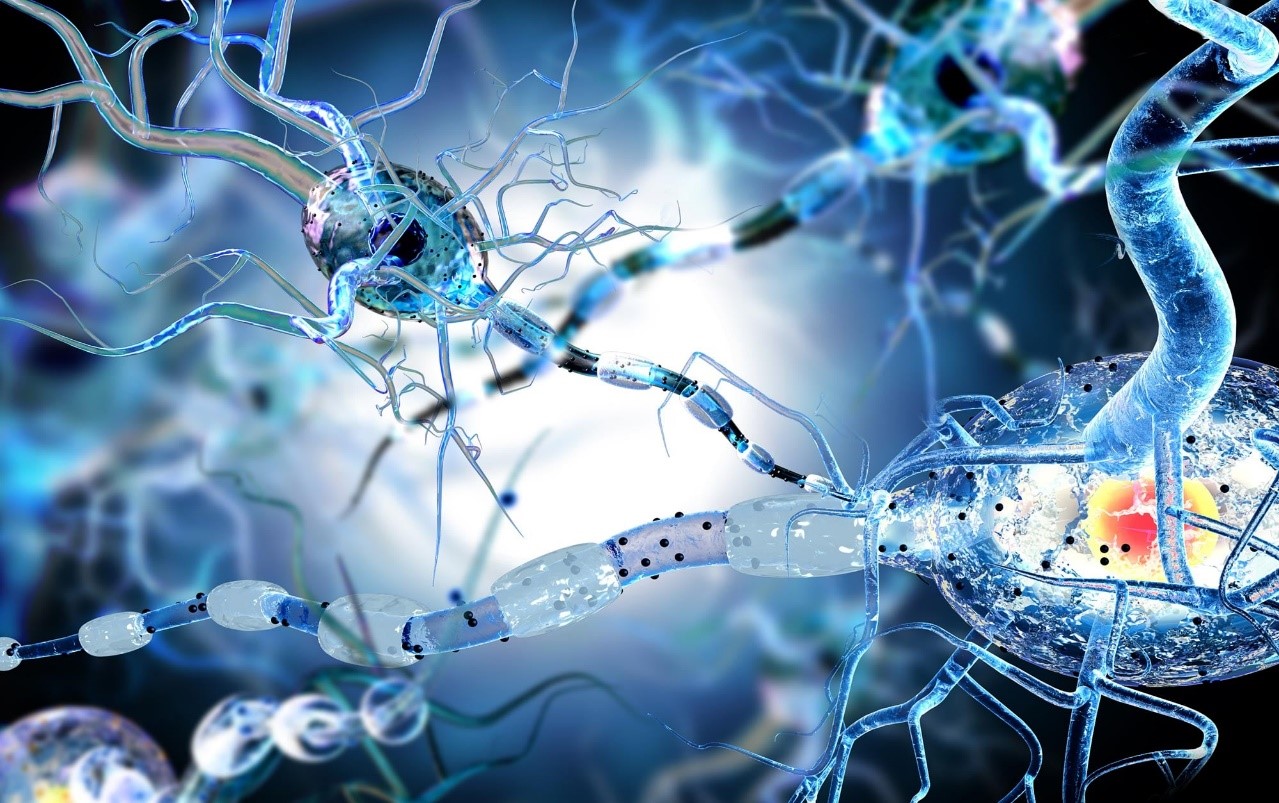
Figure 1. DNA Damage Drives Neuron Loss in MS
Researchers from UC San Francisco, the University of Cambridge, and Cedars-Sinai Medical Center found that this neuronal loss is linked to DNA damage caused by brain inflammation. This discovery helps explain why brain scans of MS patients reveal injury in both white matter, responsible for signal transmission, and gray matter, where neurons reside, and suggests new therapeutic strategies. Figure 1 shows DNA Damage Drives Neuron Loss in MS.
“It’s now evident that, alongside promoting remyelination in progressive MS, it’s crucial to directly protect neurons in the gray matter,” said Steve Fancy, PhD, DVM, professor at the UCSF Weill Institute for Neurosciences and co-corresponding author of two papers published April 1 in Nature. “We can identify the mechanism behind the loss of these vulnerable neurons — DNA damage — and start addressing MS from an entirely new angle.”
Decoding Damage in White and Gray Matter
MS is often diagnosed by spotting lesions in white matter on MRI scans, which consists of nerve fibers connecting different brain regions and appears bright in imaging.
Gray matter, containing the main bodies of neurons, can also develop lesions, particularly near the brain’s surface. These lesions are harder to detect but are strongly linked to more severe and disabling forms of MS. To investigate this, researchers focused on neurons marked by the gene CUX2. In the first study, they examined how these neurons develop in the growing mouse brain—a phase that places significant stress on cells as they divide, migrate, and form connections.
During development, these neurons rely on a DNA repair pathway regulated by the stress-response gene ATF4, which maintains chromosome stability. When ATF4 was removed, neurons accumulated severe DNA damage, disrupting normal frontal brain development.
“We found that only a subset of neurons was particularly vulnerable to DNA damage,” said Fancy. “ATF4 is central to their survival strategy.”
MS-Linked Inflammation and Neural Damage
In the second study, researchers observed similar DNA damage in gray matter lesions from MS patients, specifically affecting CUX2 neurons [1]. Mouse experiments showed that inflammation triggered chemical reactions that harmed DNA in these cells. Under such stress, the DNA repair systems that normally protect neurons during development were overwhelmed, resulting in lasting brain damage.
These findings reveal how neurons in the brain’s outer layers typically manage DNA stress and why this protective mechanism fails in MS.
Advances. “The CUX2 neurons act like a ‘canary in the coal mine’ for the MS-affected brain,” said David Rowitch, MD, PhD, deputy director for Research at Guerin Children’s and professor of Pediatrics at the University of Cambridge, and co-corresponding author. “Protecting these neurons could help contain damage before the disease”
References:
- https://scitechdaily.com/scientists-discover-how-multiple-sclerosis-kills-brain-cells/
Cite this article:
Janani R (2026), Scientists Uncover How Multiple Sclerosis Destroys Brain Cells, AnaTechMaz, pp. 715
Recent Post
-
Breakthrough Treatment Rewires Immune Cells to Fight Cancer
A new approach to CAR-T therapy is changing how cancer-fighting immune cells are engineered......
-
Researchers Identify New Ovarian Cancer Therapy
Researchers at Mayo Clinic have identified an early survival response in ovarian......
Vitamin B2’s Hidden Risk: How a Key Nutrient May Aid Cancer Cell Survival
A widely used vitamin may also play an unexpected role in helping cancer......

Scientists Observe Sodium Pump in Action, Unraveling a Long-Standing Biological Mystery
A long-standing puzzle in bacterial bioenergetics is coming into......
Scientists Uncover Hidden “Death Signature” That Could Revolutionize Disease Treatment
cientists have discovered a previously unknown feature of cell death that......
-

Scientists Develop Innovative Healing Gel to Prevent Chronic Wounds from Becoming Life-Threatening
A newly developed oxygen......
-

DNA Meets Electronics in Ultra-Low-Power Memory Breakthrough
Scientists are exploring ways to merge biology with electronics, opening new......
-

Two Decades of Research Uncover Cholera’s Hidden Vulnerability
A long-term genomic study shows that cholera bacteria are locked in an ongoing......
-
Nerve Damage Healing Impeded: New Study Sheds Light
Researchers at the Icahn School of Medicine at Mount Sinai have discovered a molecular......
-
Scientists Uncover How Multiple Sclerosis Destroys Brain Cells
A hidden mechanism in multiple sclerosis (MS) may be harming neurons......