

Scientists Observe Sodium Pump in Action, Unraveling a Long-Standing Biological Mystery
A long-standing puzzle in bacterial bioenergetics is coming into focus as researchers capture transient structural states of a sodium-pumping enzyme in action.
The Na⁺-NQR enzyme functions as a sodium pump that powers respiration in many marine and pathogenic bacteria. It uses redox reactions—electron transfers between molecules—to drive sodium ions across the cell membrane, supporting bacterial growth and survival.
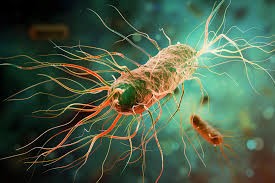
Figure 1. Bacterial Sodium Pump Mechanism Revealed
Despite its significance, the enzyme’s precise working mechanism has remained elusive. Scientists have found it difficult to explain how electron transfer is directly linked to sodium transport, largely due to the absence of detailed structural data on the short-lived intermediate states that occur during its activity. Without capturing these transient forms, a complete understanding of the pump has been out of reach. Figure 1 shows Bacterial Sodium Pump Mechanism Revealed.
To overcome this challenge, a research team at Kyoto University conducted an in-depth investigation. Using cryo-electron microscopy, co-first author Moe Ishikawa-Fukuda captured a sequence of intermediate structures as the enzyme shifted shape during operation. These snapshots were combined with molecular dynamics simulations led by co-first author Takehito Seki, enabling the researchers to study both the enzyme’s structure and its dynamic behavior.
Connecting Electron Transfer with Ion Transport
The simulations revealed that electron transfer within the protein triggers structural changes in the enzyme. These shifts regulate a membrane-embedded gate that opens and closes, allowing sodium ions to move across the cell membrane. “Our study is the first to clearly show how redox reactions directly power sodium ion transport at the molecular level, offering a new framework for understanding bacterial energy conversion,” says Ishikawa-Fukuda.
The researchers also uncovered an unexpected factor behind their success: a compound called korormicin, previously investigated by the team. This inhibitor helped stabilize and capture critical intermediate states that are typically too short-lived to observe.
“By clarifying redox-driven sodium pumping, we address a long-standing question in bioenergetics and highlight a mechanism fundamentally different from the proton pumps found in mammalian mitochondria,” adds Seki.
Toward Future Applications and Insights
Looking ahead, the researchers aim to determine whether these newly identified structural states can be targeted to inhibit the sodium pump [1]. This strategy could pave the way for novel antibiotics that exploit previously unexplored biological mechanisms.
“Our objective was to uncover how this sodium pump functions at a fundamental level,” says team leader Masatoshi Murai. “While this is basic research, we hope that understanding these mechanisms will ultimately support the development of new approaches to fight pathogenic bacteria.”
References:
- https://scitechdaily.com/scientists-capture-elusive-sodium-pump-in-action-solving-a-long-standing-biological-mystery/
Cite this article:
Janani R (2026), Scientists Observe Sodium Pump in Action, Unraveling a Long-Standing Biological Mystery, AnaTechMaz, pp. 709
Recent Post
-
Breakthrough Treatment Rewires Immune Cells to Fight Cancer
A new approach to CAR-T therapy is changing how cancer-fighting immune cells are engineered......
-
Researchers Identify New Ovarian Cancer Therapy
Researchers at Mayo Clinic have identified an early survival response in ovarian......
Vitamin B2’s Hidden Risk: How a Key Nutrient May Aid Cancer Cell Survival
A widely used vitamin may also play an unexpected role in helping cancer......
Scientists Observe Sodium Pump in Action, Unraveling a Long-Standing Biological Mystery
A long-standing puzzle in bacterial bioenergetics is coming into......
Scientists Uncover Hidden “Death Signature” That Could Revolutionize Disease Treatment
cientists have discovered a previously unknown feature of cell death that......
-
Scientists Develop Innovative Healing Gel to Prevent Chronic Wounds from Becoming Life-Threatening
A newly developed oxygen......
-

DNA Meets Electronics in Ultra-Low-Power Memory Breakthrough
Scientists are exploring ways to merge biology with electronics, opening new......
-
Two Decades of Research Uncover Cholera’s Hidden Vulnerability
A long-term genomic study shows that cholera bacteria are locked in an ongoing......
-
Nerve Damage Healing Impeded: New Study Sheds Light
Researchers at the Icahn School of Medicine at Mount Sinai have discovered a molecular......
-
Scientists Uncover How Multiple Sclerosis Destroys Brain Cells
A hidden mechanism in multiple sclerosis (MS) may be harming neurons......