

Vitamin B2’s Hidden Risk: How a Key Nutrient May Aid Cancer Cell Survival
A widely used vitamin may also play an unexpected role in helping cancer cells survive.
The body relies on vitamin B2 (riboflavin), which must be obtained from foods like dairy, eggs, meat, and green vegetables. Inside cells, it is converted into molecules that support metabolism and defend against oxidative damage.
While this function is essential for healthy cells, researchers have discovered a concerning downside: the same protective system linked to riboflavin can also enable cancer cells to evade death and continue surviving.
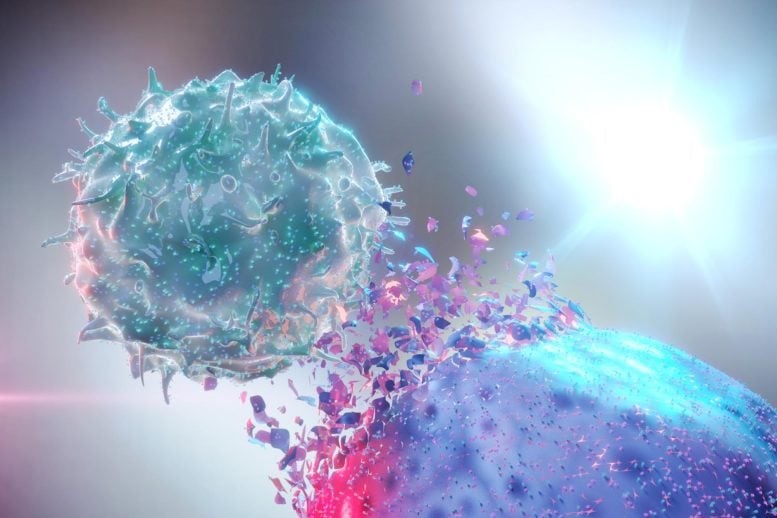
Figure 1. Vitamin B2’s Dual Role in Cell Protection and Cancer Survival
Researchers at the Rudolf Virchow Centre at Julius-Maximilians-Universität Würzburg have discovered that riboflavin’s protective function comes with an unexpected drawback—it can also support cancer cell survival. Figure 1 shows Vitamin B2’s Dual Role in Cell Protection and Cancer Survival.
PhD student Vera Skafar explains that vitamin B2 helps shield cancer cells from ferroptosis, a specialized form of cell death. The study, led by José Pedro Friedmann Angeli, was published in Nature Cell Biology.
The Link Between Vitamin B2 and Ferroptosis
The body uses programmed cell death to eliminate damaged or harmful cells in a controlled way, minimizing inflammation. Ferroptosis is one such process and is closely linked to diseases like cancer and neurodegenerative disorders.
Unlike other forms of cell death, ferroptosis is triggered when iron-driven damage to cell membranes overwhelms the cell’s antioxidant defenses. Cancer cells can avoid this outcome by reinforcing their internal protective systems.
The study reveals that vitamin B2 (riboflavin) metabolism plays a crucial role in these defenses. This suggests that targeting riboflavin-related pathways could weaken cancer cells’ resistance to ferroptosis, potentially making tumors more vulnerable to treatment.
A Promising Inhibitor Candidate
The protein FSP1 helps protect cells from death, with vitamin B2 supporting its function. Using genome editing and cancer cell models, researchers found that reducing vitamin B2 levels makes cancer cells more susceptible to Ferroptosis. This suggests a possible treatment approach: disrupting vitamin B2 metabolism to trigger cancer cell death. However, as Vera Skafar notes, a suitable inhibitor is not yet available.
To investigate further, the team tested roseoflavin—a naturally occurring compound produced by bacteria that closely mimics vitamin B2.
Toward Targeted Cancer Therapies Through Ferroptosis
In laboratory studies on cancer cells, the team led by José Pedro Friedmann Angeli tested roseoflavin and found that it can trigger Ferroptosis even at low concentrations. “Our experiments show that this approach is feasible,” he noted.
These findings point toward a potential strategy for developing cancer therapies that specifically induce ferroptosis. The researchers at the Rudolf Virchow Centre now aim to design compounds that block vitamin B2 metabolism and evaluate them in preclinical cancer models.
Friedmann Angeli also emphasizes that ferroptosis extends beyond cancer. It is increasingly linked to neurodegenerative diseases and tissue damage from conditions such as organ transplantation and ischemia-reperfusion injury. Understanding how vitamin B2 metabolism regulates this process could have wide-ranging implications for treating diseases where ferroptosis is either excessive or insufficient.
References:
- https://scitechdaily.com/vitamin-b2s-dark-side-the-nutrient-that-may-help-cancer-cells-survive/
Cite this article:
Janani R (2026), Vitamin B2’s Hidden Risk: How a Key Nutrient May Aid Cancer Cell Survival, AnaTechMaz, pp. 708
Recent Post
-
Breakthrough Treatment Rewires Immune Cells to Fight Cancer
A new approach to CAR-T therapy is changing how cancer-fighting immune cells are engineered......
-
Researchers Identify New Ovarian Cancer Therapy
Researchers at Mayo Clinic have identified an early survival response in ovarian......
Vitamin B2’s Hidden Risk: How a Key Nutrient May Aid Cancer Cell Survival
A widely used vitamin may also play an unexpected role in helping cancer......
Scientists Observe Sodium Pump in Action, Unraveling a Long-Standing Biological Mystery
A long-standing puzzle in bacterial bioenergetics is coming into......
Scientists Uncover Hidden “Death Signature” That Could Revolutionize Disease Treatment
cientists have discovered a previously unknown feature of cell death that......
-

Scientists Develop Innovative Healing Gel to Prevent Chronic Wounds from Becoming Life-Threatening
A newly developed oxygen......
-

DNA Meets Electronics in Ultra-Low-Power Memory Breakthrough
Scientists are exploring ways to merge biology with electronics, opening new......
-
Two Decades of Research Uncover Cholera’s Hidden Vulnerability
A long-term genomic study shows that cholera bacteria are locked in an ongoing......
-
Nerve Damage Healing Impeded: New Study Sheds Light
Researchers at the Icahn School of Medicine at Mount Sinai have discovered a molecular......
-
Scientists Uncover How Multiple Sclerosis Destroys Brain Cells
A hidden mechanism in multiple sclerosis (MS) may be harming neurons......