

Scientists Uncover Hidden “Death Signature” That Could Revolutionize Disease Treatment
Scientists have discovered a previously unknown feature of cell death that changes how the immune system recognizes and removes dying cells.
Researchers at La Trobe University also uncovered a new mechanism by which viruses may spread throughout the body, a breakthrough that could guide the development of more effective treatments.
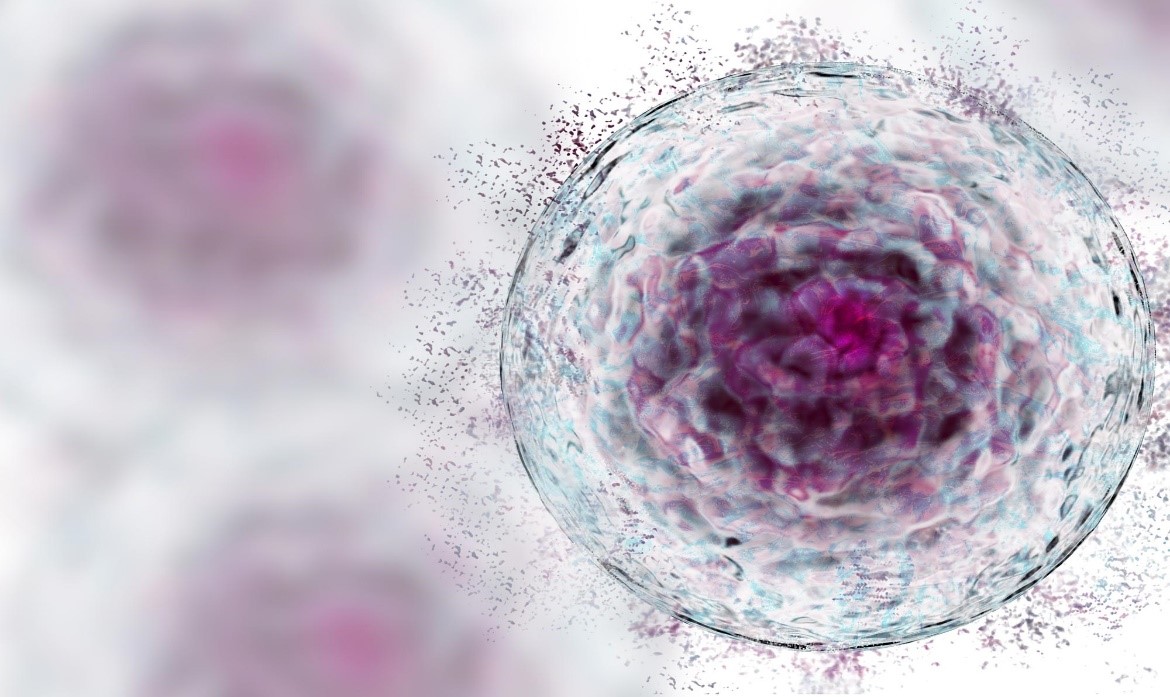
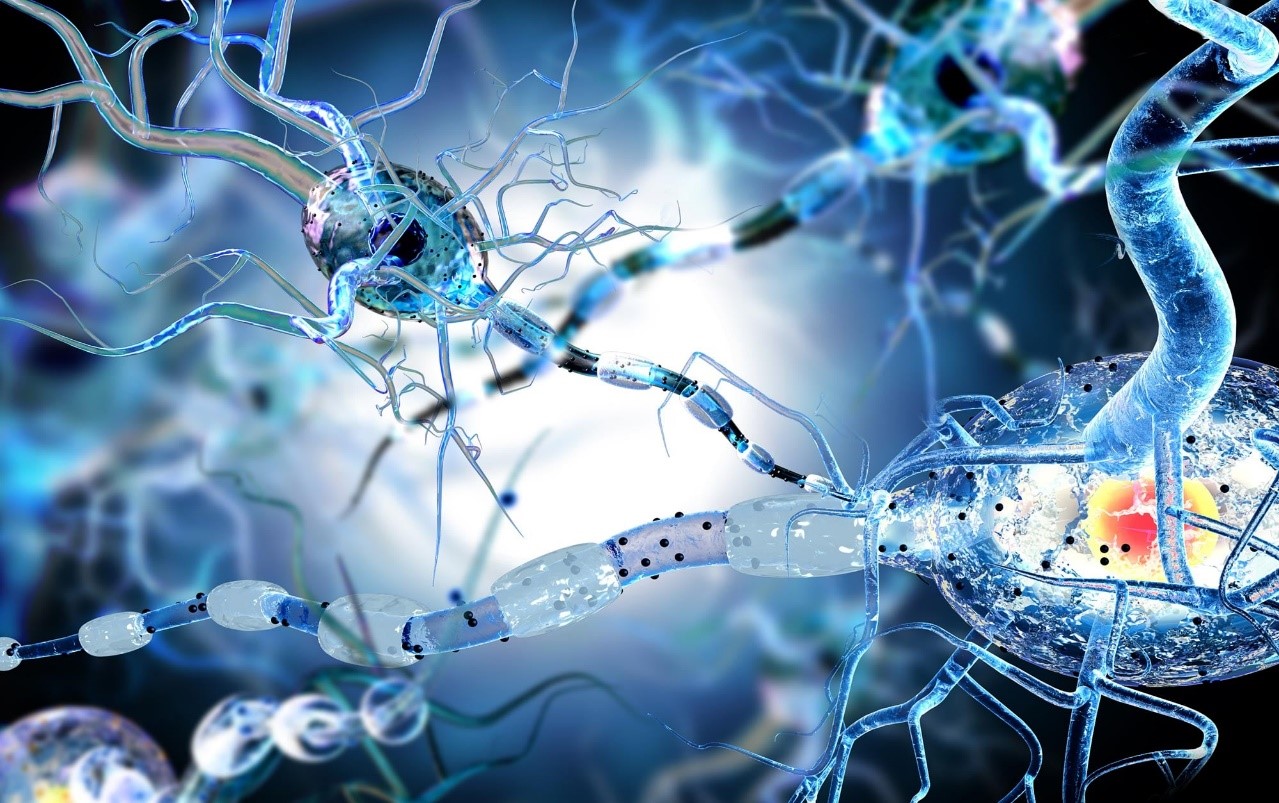
Figure 1. A Hidden Signal from Dying Cells That Guides Immunity—and May Aid Viral Spread
Published in Nature Communications, the study provides fresh insight into the processes of cell death and renewal.
The research was led by PhD candidate Stephanie Rutter in Professor Ivan Poon’s lab at the La Trobe Institute for Molecular Science (LIMS). It reveals that cell death is a tightly coordinated process, with each stage playing a crucial role in dismantling the cell and allowing the immune system to clear it away. Figure 1 shows A Hidden Signal from Dying Cells That Guides Immunity—and May Aid Viral Spread.
As cells undergo self-destruction, they alter their shape, detach from surrounding tissue, and leave behind a residue the researchers describe as the “footprint of death.” This material contains a newly identified form of extracellular vesicle (EV).
Extracellular vesicles are microscopic particles released by cells that transport proteins, lipids, DNA, and RNA to other cells, making them essential for cellular communication.
Uncovering the “Footprints of Death”
The researchers identified a new type of vesicle, known as F-ApoEVs, which remain at sites where cells have died. These structures act as signals that help the immune system locate and remove cellular debris, reducing the risk of inflammation.
However, early laboratory findings revealed an unexpected twist. In cells infected with influenza, the virus can hijack this cleanup process by concealing itself within F-ApoEVs, potentially aiding its spread to neighboring cells.
Professor Poon, Director of the Research Centre for Extracellular Vesicles (RCEV), noted that this discovery could have important implications for future drug development.
Professor Poon explained that gaining a deeper understanding of this fundamental biological process could open new research pathways and support the development of treatments that enhance the immune system’s ability to fight disease.
He also noted that billions of cells die each day as part of normal turnover and disease progression. Previously, this breakdown was thought to be a simple and random process, but the team’s findings reveal that it is far more complex. Each stage plays a vital role in ensuring dying cells are efficiently dismantled and properly cleared by the immune system.
How Viruses Hijack Cellular Processes
Rutter explained that the findings underscore the vital role of cell-to-cell communication in maintaining health, while also revealing how viruses can exploit these systems. The body typically removes dead cell fragments to prevent inflammation and autoimmune conditions such as Systemic Lupus Erythematosus, and the team observed that F-ApoEVs are normally cleared efficiently from sites of cell death.
However, the researchers were surprised to find that viruses can hijack this process, using F-ApoEVs as a hiding place to spread infection to nearby cells.
The team believes this discovery could deepen understanding of both infectious and autoimmune diseases and eventually support the development of improved treatments [1]. Rutter noted that the more scientists learn about what happens to cells after death, the better they can understand disease mechanisms and identify new therapeutic strategies.
Co-leader Georgia Atkin-Smith emphasized the broader significance, explaining that dying cells can continue to communicate even after death, potentially influencing immune system function.
References:
- https://scitechdaily.com/scientists-discover-hidden-footprint-of-death-that-could-transform-how-we-fight-disease/
Cite this article:
Janani R (2026), Scientists Uncover Hidden “Death Signature” That Could Revolutionize Disease Treatment, AnaTechMaz, pp. 710
Recent Post
-
Breakthrough Treatment Rewires Immune Cells to Fight Cancer
A new approach to CAR-T therapy is changing how cancer-fighting immune cells are engineered......
-
Researchers Identify New Ovarian Cancer Therapy
Researchers at Mayo Clinic have identified an early survival response in ovarian......
Vitamin B2’s Hidden Risk: How a Key Nutrient May Aid Cancer Cell Survival
A widely used vitamin may also play an unexpected role in helping cancer......
Scientists Observe Sodium Pump in Action, Unraveling a Long-Standing Biological Mystery
A long-standing puzzle in bacterial bioenergetics is coming into......
Scientists Uncover Hidden “Death Signature” That Could Revolutionize Disease Treatment
cientists have discovered a previously unknown feature of cell death that......
-
Scientists Develop Innovative Healing Gel to Prevent Chronic Wounds from Becoming Life-Threatening
A newly developed oxygen......
-

DNA Meets Electronics in Ultra-Low-Power Memory Breakthrough
Scientists are exploring ways to merge biology with electronics, opening new......
-
Two Decades of Research Uncover Cholera’s Hidden Vulnerability
A long-term genomic study shows that cholera bacteria are locked in an ongoing......
-
Nerve Damage Healing Impeded: New Study Sheds Light
Researchers at the Icahn School of Medicine at Mount Sinai have discovered a molecular......
-
Scientists Uncover How Multiple Sclerosis Destroys Brain Cells
A hidden mechanism in multiple sclerosis (MS) may be harming neurons......