

Scientists Develop Innovative Healing Gel to Prevent Chronic Wounds from Becoming Life-Threatening
A newly developed oxygen-delivering gel could revolutionize chronic wound care by addressing low-oxygen conditions and supporting continuous healing.
With aging populations and rising diabetes rates driving an increase in chronic wounds—and the risk of amputation—researchers at the University of California, Riverside have created an innovative gel that delivers oxygen directly to injured tissue, helping wounds heal more effectively before they become severe.
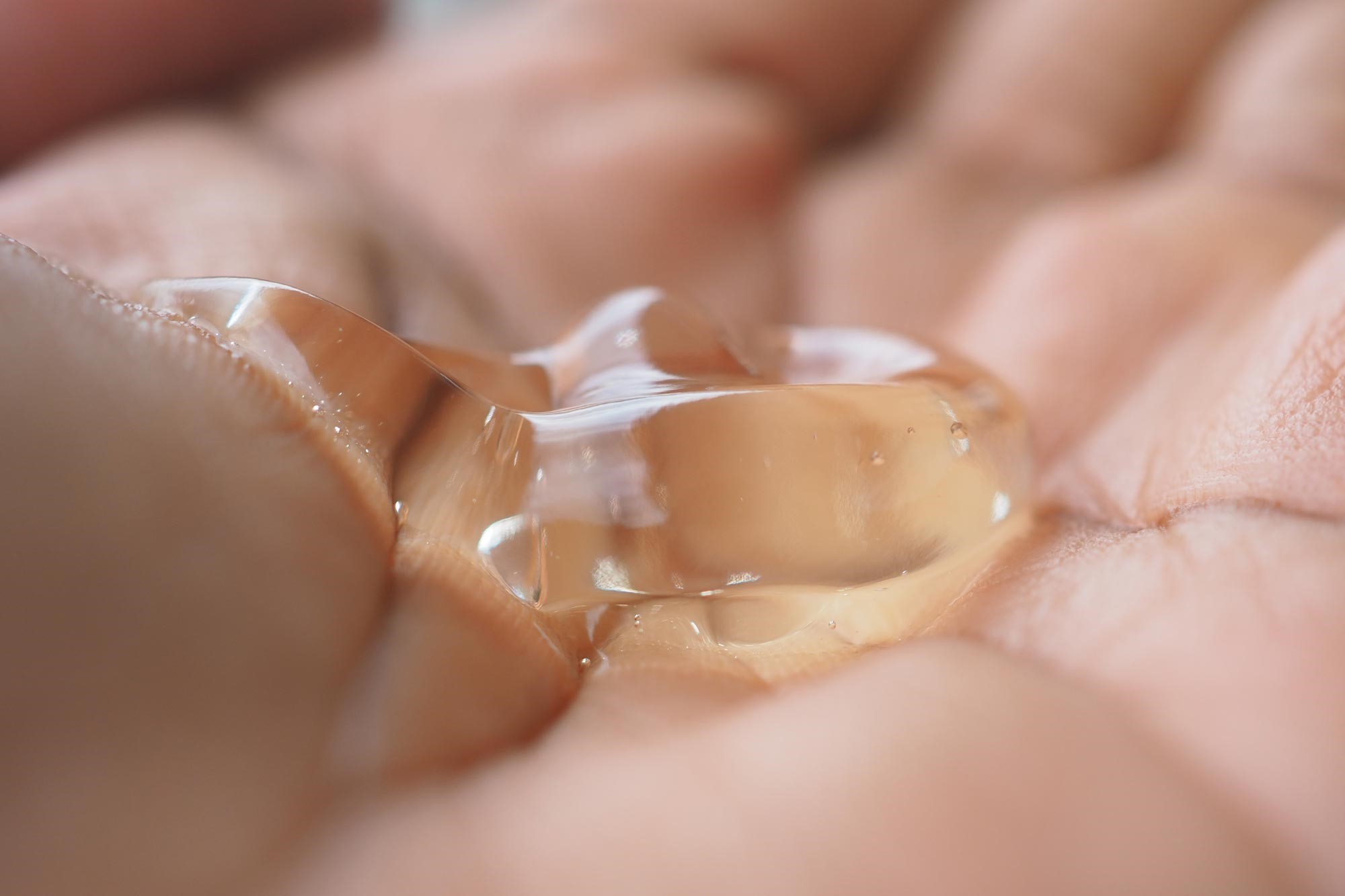
Figure 1. Chronic Wounds on the Rise as Scientists Target a Key Barrier to Healing
Wounds that fail to heal within a month are considered chronic, affecting around 12 million people worldwide each year, including about 4.5 million in the United States. Alarmingly, nearly 20% of these patients ultimately require amputation, underscoring the severe and potentially life-altering nature of the condition. Figure 1 shows Chronic Wounds on the Rise as Scientists Target a Key Barrier to Healing.
Chronic Wounds and the Role of Oxygen Deprivation Explained
The newly developed gel, tested in animal models, targets a key driver of chronic wounds—low oxygen levels deep within damaged tissue. When oxygen is insufficient, wounds can remain trapped in a prolonged inflammatory state, allowing bacteria to grow and preventing proper tissue repair.
Iman Noshadi, associate professor at the University of California, Riverside, explained that chronic wound healing involves four stages: inflammation, vascularization (formation of new blood vessels), remodeling, and regeneration. A steady oxygen supply is critical at each stage, and any disruption can halt progress.
When oxygen fails to reach deeper tissue layers, a condition called hypoxia occurs, interfering with normal healing. To address this, the research team developed an oxygen-delivering gel, detailed in a study published in Nature Communications Materials, designed to overcome hypoxia and restore the healing process.
Oxygen Gel Promotes Long-Lasting Deep Tissue Healing
The gel is a soft, flexible material made from water and a choline-based liquid, giving it antibacterial, non-toxic, and biocompatible properties. When paired with a small battery—similar to those used in hearing aids—it functions as a tiny electrochemical system, splitting water molecules to release oxygen in a steady, controlled manner.
Unlike surface-level treatments, the gel molds to the exact shape of a wound before solidifying, allowing it to reach deep, hard-to-access areas where oxygen levels are lowest and infection risk is highest. Its major advantage is continuous oxygen delivery: instead of short bursts, it can supply oxygen for up to a month, supporting blood vessel formation and helping chronic wounds transition into normal healing processes.
Experiments in diabetic and aged mice—models that closely mimic chronic wounds in older adults—produced promising results. Untreated wounds often failed to heal and could become fatal, but when the oxygen-producing patch was applied and replaced weekly, wounds healed in about 23 days, significantly improving survival.
According to Prince David Okoro, a doctoral candidate at the University of California, Riverside and co-author of the study, the gel-based patch could potentially be developed into a practical treatment, with periodic renewal to maintain its effectiveness.
Dual-Action Approach Tackles Inflammation and Promotes Healing
In addition to delivering oxygen, the gel helps regulate inflammation. Its choline component supports immune balance and reduces excessive inflammatory responses, a key issue in chronic wounds. These wounds are often dominated by reactive oxygen species—unstable molecules that damage cells and prolong inflammation—but the gel counters this by providing stable oxygen while limiting harmful activity, creating a more favorable healing environment.
As Prince David Okoro explains, while existing bandages may absorb fluid or release antimicrobial agents, they do not address hypoxia—the root cause of chronic wounds—whereas this approach directly targets the problem.
Wider Impact on Regenerative Medicine
The gel’s potential goes far beyond wound care, offering promising applications in regenerative medicine. Limited oxygen and nutrient supply is a major challenge in growing replacement tissues and organs—an area of focus for Iman Noshadi’s lab. As tissue thickness increases, delivering essential nutrients becomes difficult, leading to cell death. This technology could help bridge that gap, supporting the development and maintenance of larger, functional tissues and organs.
However, chronic wounds are influenced by more than just biological factors. While aging populations and rising diabetes rates are key drivers, lifestyle factors such as reduced physical activity can also weaken immune responses [1]. Despite these broader challenges, the innovation represents a significant step toward reducing amputations, improving quality of life, and enabling the body to heal more effectively.
References:
- https://scitechdaily.com/scientists-create-healing-gel-that-could-stop-chronic-wounds-from-turning-deadly/
Cite this article:
Janani R (2026), Scientists Develop Innovative Healing Gel to Prevent Chronic Wounds from Becoming Life-Threatening, AnaTechMaz, pp. 711
Recent Post
-
Breakthrough Treatment Rewires Immune Cells to Fight Cancer
A new approach to CAR-T therapy is changing how cancer-fighting immune cells are engineered......
-
Researchers Identify New Ovarian Cancer Therapy
Researchers at Mayo Clinic have identified an early survival response in ovarian......

Vitamin B2’s Hidden Risk: How a Key Nutrient May Aid Cancer Cell Survival
A widely used vitamin may also play an unexpected role in helping cancer......

Scientists Observe Sodium Pump in Action, Unraveling a Long-Standing Biological Mystery
A long-standing puzzle in bacterial bioenergetics is coming into......
Scientists Uncover Hidden “Death Signature” That Could Revolutionize Disease Treatment
cientists have discovered a previously unknown feature of cell death that......
-
Scientists Develop Innovative Healing Gel to Prevent Chronic Wounds from Becoming Life-Threatening
A newly developed oxygen......
-

DNA Meets Electronics in Ultra-Low-Power Memory Breakthrough
Scientists are exploring ways to merge biology with electronics, opening new......
-

Two Decades of Research Uncover Cholera’s Hidden Vulnerability
A long-term genomic study shows that cholera bacteria are locked in an ongoing......
-
Nerve Damage Healing Impeded: New Study Sheds Light
Researchers at the Icahn School of Medicine at Mount Sinai have discovered a molecular......
-

Scientists Uncover How Multiple Sclerosis Destroys Brain Cells
A hidden mechanism in multiple sclerosis (MS) may be harming neurons......