

Nerve Damage Healing Impeded: New Study Sheds Light
Researchers at the Icahn School of Medicine at Mount Sinai have discovered a molecular mechanism in neurons that regulates the balance between survival and repair following injury. Their study, published in Nature, identifies a molecular switch that restricts the regrowth of damaged axons. The findings indicate that inhibiting the protein aryl hydrocarbon receptor (AHR) may enhance nerve regeneration and aid functional recovery after peripheral nerve or spinal cord injuries.
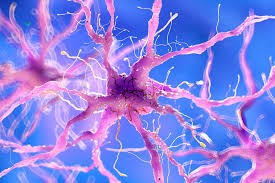
Figure 1. Molecular Switch Limits Neuron Repair
Axons are long projections that carry signals between neurons across the central and peripheral nervous systems, playing a critical role in body-wide communication. Recovery after axonal damage relies on a neuron’s capacity to regrow these fibers. In adult mammals, however, this regenerative ability is extremely limited, meaning nerve or spinal cord injuries frequently result in long-term or permanent deficits in movement or sensation. Scientists have long sought to uncover the reasons behind this restricted repair capacity. Figure 1 shows Molecular Switch Limits Neuron Repair.
A Molecular Blockade of Nerve Regrowth
The research revealed that AHR is a key regulator of neuronal response to injury.
“When neurons are damaged, they face the dual challenge of coping with stress and attempting to regrow their axons,” explained Hongyan Zou, MD, PhD, Professor of Neurosurgery and Neuroscience at the Icahn School of Medicine at Mount Sinai and the study’s senior author. “Our findings show that AHR acts like a brake, steering neurons to prioritize stress management over repairing damaged connections.”
Experiments demonstrated that active AHR signaling hinders axon regrowth. Removing or pharmacologically blocking AHR allowed damaged axons to regenerate more efficiently. In mouse models of peripheral nerve and spinal cord injury, AHR inhibition also enhanced recovery of both motor and sensory functions.
Navigating the Trade-Off Between Neuron Survival and Regrowth
Further investigation revealed the mechanism behind this effect. Following injury, AHR helps neurons preserve protein quality through proteostasis, protecting cells under stress but restricting the production of new proteins required for repair.
When AHR is inhibited, neurons shift their priorities, boosting protein synthesis and activating pathways that promote axon growth. The researchers also found that this regenerative response relies on HIF-1α, a factor that regulates genes linked to metabolism and tissue repair.
“This discovery demonstrates that neurons use AHR to balance survival and regeneration,” Dr. Zou said. “Releasing this brake allows neurons to enter a state that favors repair.”
An Environmental Sensor with Two Key Functions
AHR was originally recognized as a receptor for detecting environmental toxins, or xenobiotics. The new study reveals that it also plays a crucial internal role, helping neurons link environmental cues to their regenerative capacity after injury.
These findings represent an early step toward potential therapies. Several AHR-blocking drugs are already in clinical trials for other conditions, suggesting they might be repurposed for treating nerve and spinal cord injuries.
Nonetheless, further research is needed before clinical application [1]. Future studies will assess the effectiveness of AHR inhibitors across various types of neural damage, determine optimal timing and dosage, and evaluate effects on other cell types post-injury.
The Mount Sinai team plans to explore both pharmacological AHR inhibition and gene therapy strategies aimed at reducing AHR activity in neurons, with the goal of enhancing axon regrowth and improving recovery after spinal cord injury, stroke, and other neurological disorders.
References:
- https://scitechdaily.com/breakthrough-study-reveals-why-damaged-nerves-struggle-to-heal/
Cite this article:
Janani R (2026), Nerve Damage Healing Impeded: New Study Sheds Light, AnaTechMaz, pp. 714
Recent Post
-
Breakthrough Treatment Rewires Immune Cells to Fight Cancer
A new approach to CAR-T therapy is changing how cancer-fighting immune cells are engineered......
-
Researchers Identify New Ovarian Cancer Therapy
Researchers at Mayo Clinic have identified an early survival response in ovarian......
Vitamin B2’s Hidden Risk: How a Key Nutrient May Aid Cancer Cell Survival
A widely used vitamin may also play an unexpected role in helping cancer......

Scientists Observe Sodium Pump in Action, Unraveling a Long-Standing Biological Mystery
A long-standing puzzle in bacterial bioenergetics is coming into......
Scientists Uncover Hidden “Death Signature” That Could Revolutionize Disease Treatment
cientists have discovered a previously unknown feature of cell death that......
-
Scientists Develop Innovative Healing Gel to Prevent Chronic Wounds from Becoming Life-Threatening
A newly developed oxygen......
-

DNA Meets Electronics in Ultra-Low-Power Memory Breakthrough
Scientists are exploring ways to merge biology with electronics, opening new......
-
Two Decades of Research Uncover Cholera’s Hidden Vulnerability
A long-term genomic study shows that cholera bacteria are locked in an ongoing......
-
Nerve Damage Healing Impeded: New Study Sheds Light
Researchers at the Icahn School of Medicine at Mount Sinai have discovered a molecular......
-
Scientists Uncover How Multiple Sclerosis Destroys Brain Cells
A hidden mechanism in multiple sclerosis (MS) may be harming neurons......