

Breakthrough Treatment Rewires Immune Cells to Fight Cancer
A new approach to CAR-T therapy is changing how cancer-fighting immune cells are engineered. Traditionally, CAR-T treatment for certain blood cancers requires removing a patient’s immune cells, modifying them in a specialized lab, and reinfusing them—a process that can take weeks and cost hundreds of thousands of dollars, restricting access for many patients.
Researchers at UC San Francisco have developed a method to reprogram cancer-fighting T cells directly inside the body, eliminating the need for external cell manufacturing. This approach could dramatically reduce costs and shorten treatment timelines.
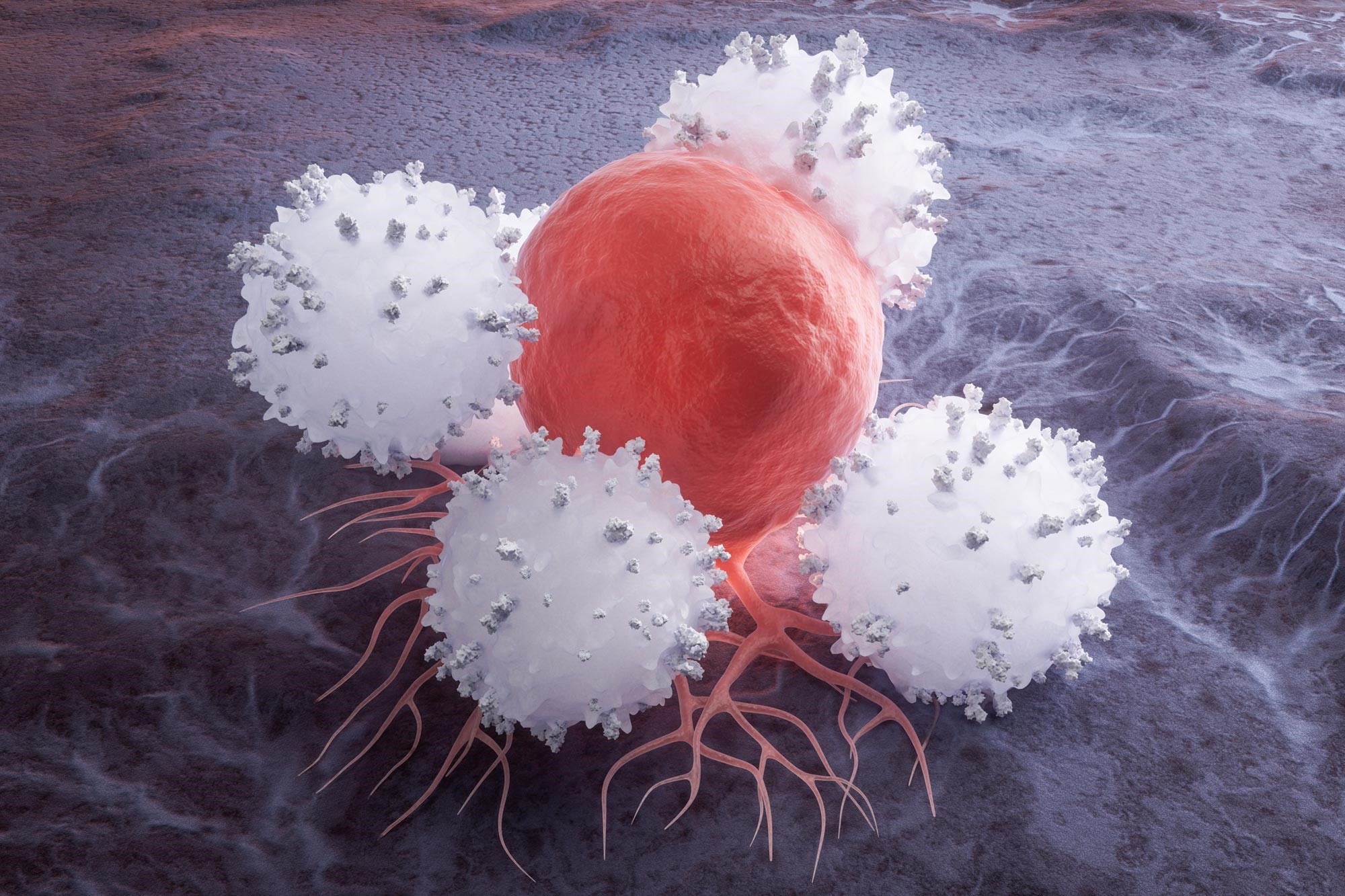
Figure 1. CAR-T Therapy Engineered Inside the Body
For the first time, scientists inserted a large DNA sequence into a precise location in human T cells in vivo, achieving better results than traditional viral-based methods, which insert DNA randomly. The technique has broad potential for advancing CAR-T therapy as well as other cell and gene therapies. Figure 1 shows CAR-T Therapy Engineered Inside the Body.
In a study published March 18 in Nature, the team successfully used the method in mice with human-like immune systems, eradicating aggressive leukemia, multiple myeloma, and even solid tumors.
Justin Eyquem, senior author of the study, called it the start of a wave of transformative therapies that could save many lives.
Gene Edited with Molecular Scissors
CAR-T therapy equips T cells, key immune system components, with new genetic instructions that create chimeric antigen receptors (CARs). These receptors act as sensors that detect specific proteins on cancer cells, triggering T cells to attack. Although seven CAR-T therapies are FDA-approved for blood cancers, access remains limited due to high costs ($400,000–$500,000), lengthy production times, and the need for pre-treatment chemotherapy, which can be difficult for older or fragile patients.
To address these challenges, Justin Eyquem and colleagues from the Gladstone Institutes, Duke University, and the Innovative Genomics Institute developed an in vivo CAR-T approach that reprograms T cells directly in the bloodstream.
Their system uses two particles: one coated with antibodies targeting CD3 on T cells, and another carrying DNA instructions for the CAR along with CRISPR-Cas9 “molecular scissors” to insert it precisely into the T cell genome. This ensures the CAR is produced only in T cells at a specific genomic site while avoiding unintended edits. By optimizing this delivery system, researchers aim to bypass external manufacturing, reduce costs, eliminate pre-treatment chemotherapy, and make CAR-T therapy faster and more accessible.
Cancer Detectable Within Two Weeks
Led by co-first authors William Nyberg and Pierre-Louis Bernard, the team tested the in vivo CAR-T system in mice with aggressive leukemia. A single injection cleared detectable cancer in nearly all mice within two weeks. Engineered T cells made up to 40% of immune cells in some organs and successfully eliminated cancer from the bone marrow and spleen. The method also proved effective against multiple myeloma and, notably, a solid sarcoma tumor—an achievement rare for CAR-T therapy.
The in vivo-engineered T cells appeared more robust than lab-grown counterparts, retaining greater “stemness” and proliferative capacity.
While adaptation for human use and clinical trials are still required, Justin Eyquem and collaborators have launched Azalea Therapeutics to advance the technology. If successful, this approach could drastically reduce costs, shorten treatment timelines, and expand access to CAR-T therapy beyond major cancer centers, making it widely available in community hospitals.
References:
- https://scitechdaily.com/revolutionary-new-cancer-treatment-reprograms-immune-cells-inside-the-body/
Cite this article:
Janani R (2026), Breakthrough Treatment Rewires Immune Cells to Fight Cancer, AnaTechMaz, pp. 706
Recent Post
-
Breakthrough Treatment Rewires Immune Cells to Fight Cancer
A new approach to CAR-T therapy is changing how cancer-fighting immune cells are engineered......
-
Researchers Identify New Ovarian Cancer Therapy
Researchers at Mayo Clinic have identified an early survival response in ovarian......
Vitamin B2’s Hidden Risk: How a Key Nutrient May Aid Cancer Cell Survival
A widely used vitamin may also play an unexpected role in helping cancer......

Scientists Observe Sodium Pump in Action, Unraveling a Long-Standing Biological Mystery
A long-standing puzzle in bacterial bioenergetics is coming into......
Scientists Uncover Hidden “Death Signature” That Could Revolutionize Disease Treatment
cientists have discovered a previously unknown feature of cell death that......
-

Scientists Develop Innovative Healing Gel to Prevent Chronic Wounds from Becoming Life-Threatening
A newly developed oxygen......
-

DNA Meets Electronics in Ultra-Low-Power Memory Breakthrough
Scientists are exploring ways to merge biology with electronics, opening new......
-

Two Decades of Research Uncover Cholera’s Hidden Vulnerability
A long-term genomic study shows that cholera bacteria are locked in an ongoing......
-
Nerve Damage Healing Impeded: New Study Sheds Light
Researchers at the Icahn School of Medicine at Mount Sinai have discovered a molecular......
-
Scientists Uncover How Multiple Sclerosis Destroys Brain Cells
A hidden mechanism in multiple sclerosis (MS) may be harming neurons......