

Two Decades of Research Uncover Cholera’s Hidden Vulnerability
A long-term genomic study shows that cholera bacteria are locked in an ongoing evolutionary battle with viruses that infect them, shaping both the severity of the disease and its global spread.
Researchers from the Wellcome Sanger Institute, icddr,b, Post Graduate Institute of Medical Education & Research, and collaborators found that in the Ganges Delta, cholera bacteria frequently gain and lose protective features that defend them against attacks from a virus known as bacteriophage ICP1.
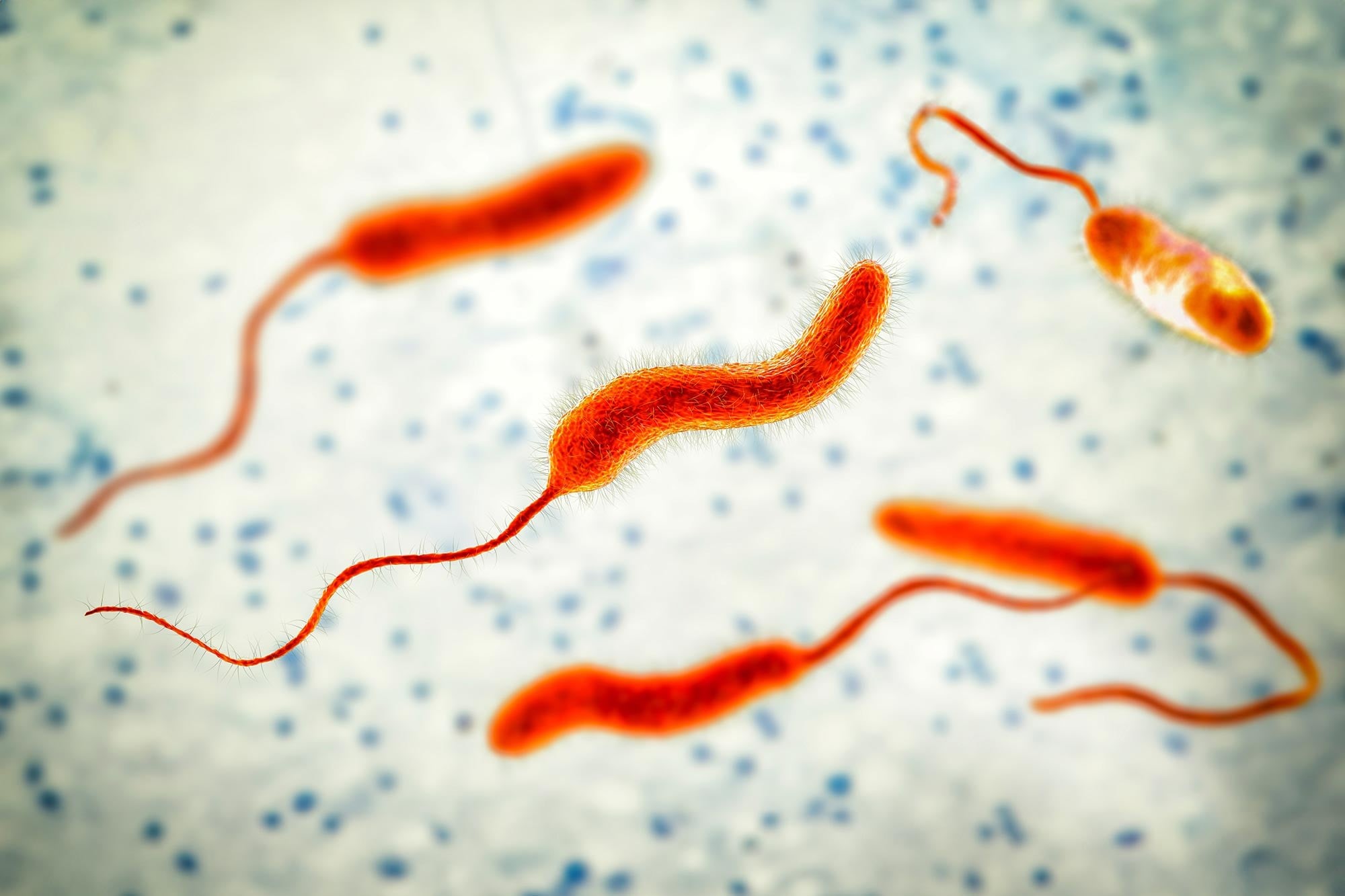
Figure 1. Microbial Dynamics, Not Geography, Drive Cholera Spread
Published in Nature, the study reveals that maintaining these antiviral defenses comes at a cost. Cholera bacteria that retain them tend to cause milder disease in humans and are less likely to spread beyond their local region. Figure 1 shows Microbial Dynamics, Not Geography, Drive Cholera Spread.
Reevaluating Cholera’s Global Origins
By studying cholera across South Asia, the research challenges the long-held belief that the Ganges Delta is the disease’s primary global source, suggesting instead a more complex regional pattern.
Understanding how different strains evolve and spread could improve early warning systems, enabling identification of high-risk strains before outbreaks escalate and supporting faster public health interventions.
The findings may also inform future treatments, including the potential use of bacteriophages to help control cholera infections.
Cholera, caused by the bacterium Vibrio cholerae, is a severe diarrheal disease that can be fatal within hours if untreated. The current seventh pandemic, which began in 1961, is driven by the 7PET O1 strain originating in the Bay of Bengal near Bangladesh and India. Each year, cholera causes an estimated 1.3 to 4 million cases and up to 143,000 deaths worldwide.
Tracing the Real Origins of Cholera
For this study, scientists examined bacterial samples from Bangladesh and North India, compiling the most comprehensive regional cholera dataset to date, with over 2,300 genomes collected across roughly 20 years. Their analysis indicates that the broader Ganges Basin, not just the Ganges Delta, has served as the main global source of cholera during this period.
Tracking bacterial spread revealed unexpected patterns: cholera does not strictly follow river systems but largely remains within national borders, suggesting that human movement and population density influence transmission more than environmental water flow.
The team also found that the Vibrio cholerae 7PET O1 strain in Bangladesh repeatedly gains and loses genetic defense systems, which act as protective armor against the virus bacteriophage ICP1. Bacteriophages are viruses that infect bacteria, harmless to humans, and capable of rapidly destroying bacterial hosts. Over two decades of data, the researchers observed a continual evolutionary arms race: cholera bacteria adapt to resist ICP1, while the virus evolves countermeasures to overcome these defenses.
Insights for Cholera Control and Prevention
Earlier studies indicated that the presence of ICP1 in the gut can reduce disease severity by killing cholera bacteria. This study builds on that insight, revealing a continuous evolutionary battle between the bacteria and the virus. As cholera bacteria invest in defenses, their capacity for global spread appears to diminish.
Understanding this dynamic could inform new treatment strategies or control measures for cholera. Additionally, examining the natural ecology of the bacteria may enhance early warning systems, allowing identification of strains that have lost key defenses and are therefore more virulent and likely to spread widely.
Advancing Smarter Approaches to Public Health
Early identification of high-risk cholera strains could enable health officials to respond more effectively through updated treatment guidelines, targeted vaccine distribution, and improved water sanitation in vulnerable areas.
By adopting a broader ecological perspective on cholera and its spread, researchers aim to reduce the disease’s global impact.
Dr. Amber Barton of the Wellcome Sanger Institute highlighted that their study revealed the evolutionary battle between cholera bacteria and bacteriophage ICP1 in Bangladesh. The rapid gain and loss of bacterial protective defenses affects disease severity, and real-time genomic tracking of these changes can help identify the most dangerous strains and guide early interventions. Further research into cholera-phage interactions worldwide could inform new treatments.
Dr. Firdausi Qadri of icddr,b emphasized that the study, which created the most comprehensive genetic database of cholera across Bangladesh and North India, shows that the global source of cholera is broader than previously thought, spanning the region [1]. The research also indicates that cholera transmission is influenced more by human movement and population density than by rivers and waterways, informing more effective public health measures.
Professor Nick Thomson of the Wellcome Sanger Institute noted that viewing cholera ecologically through genomics provides a clearer understanding of its global spread, helping refine public health strategies and future treatments to combat the ongoing seventh pandemic and protect thousands of people worldwide.
References:
- https://scitechdaily.com/20-year-study-reveals-choleras-surprising-weakness/
Cite this article:
Janani R (2026), Two Decades of Research Uncover Cholera’s Hidden Vulnerability, AnaTechMaz, pp. 713
Recent Post
-
Breakthrough Treatment Rewires Immune Cells to Fight Cancer
A new approach to CAR-T therapy is changing how cancer-fighting immune cells are engineered......
-
Researchers Identify New Ovarian Cancer Therapy
Researchers at Mayo Clinic have identified an early survival response in ovarian......

Vitamin B2’s Hidden Risk: How a Key Nutrient May Aid Cancer Cell Survival
A widely used vitamin may also play an unexpected role in helping cancer......
Scientists Observe Sodium Pump in Action, Unraveling a Long-Standing Biological Mystery
A long-standing puzzle in bacterial bioenergetics is coming into......
Scientists Uncover Hidden “Death Signature” That Could Revolutionize Disease Treatment
cientists have discovered a previously unknown feature of cell death that......
-

Scientists Develop Innovative Healing Gel to Prevent Chronic Wounds from Becoming Life-Threatening
A newly developed oxygen......
-

DNA Meets Electronics in Ultra-Low-Power Memory Breakthrough
Scientists are exploring ways to merge biology with electronics, opening new......
-
Two Decades of Research Uncover Cholera’s Hidden Vulnerability
A long-term genomic study shows that cholera bacteria are locked in an ongoing......
-

Nerve Damage Healing Impeded: New Study Sheds Light
Researchers at the Icahn School of Medicine at Mount Sinai have discovered a molecular......
-
Scientists Uncover How Multiple Sclerosis Destroys Brain Cells
A hidden mechanism in multiple sclerosis (MS) may be harming neurons......