

Researchers Identify New Ovarian Cancer Therapy
Researchers at Mayo Clinic have identified an early survival response in ovarian cancer cells that may reduce the effectiveness of PARP inhibitors. The study shows that these cancer cells can rapidly activate protective mechanisms after treatment, and blocking this response could enhance the drugs’ therapeutic impact.
Arun Kanakkanthara and colleagues at Mayo Clinic found that ovarian cancer cells can rapidly activate a survival program shortly after exposure to PARP inhibitors, drugs commonly used to treat tumors with DNA repair defects. A key factor in this process is FRA1, a transcription factor that turns on genes helping cancer cells evade death.
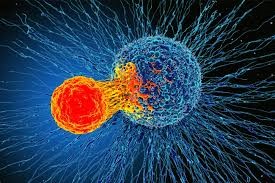
Figure 1. Cancer Cells Resist PARP Inhibitors Quickly
The findings suggest that drug resistance can arise almost immediately, rather than gradually over time. By targeting this early survival response, existing therapies may become more effective and resistance could potentially be delayed or prevented. Figure 1 shows Cancer Cells Resist PARP Inhibitors Quickly.
Evaluating a Combination Treatment
The team tested whether Brigatinib could block ovarian cancer cells’ early survival response and enhance the effectiveness of PARP inhibitors. Brigatinib was chosen because it targets multiple signaling pathways that cancer cells use to survive.
The combination of brigatinib and a PARP inhibitor proved more effective than either drug alone, selectively targeting cancer cells while sparing normal cells. Researchers discovered that brigatinib works by inhibiting two signaling molecules, FAK and EPHA2, which aggressive ovarian cancer cells rely on for survival. Blocking both pathways simultaneously reduced the cells’ adaptive capacity, making them more sensitive to PARP inhibitors.
Identifying Optimal Candidates for Therapy
The study suggests a way to identify patients most likely to benefit from the combination therapy: tumors with higher levels of FAK and EPHA2 responded more strongly to the drug pairing. These molecules are also associated with more aggressive ovarian cancers, making this approach particularly promising for hard-to-treat cases.
John Weroha, senior author of the study, notes that targeting early resistance mechanisms could improve patient outcomes [1]. Overall, the findings provide new insight into how ovarian cancer evades treatment and highlight a potential strategy for enhancing therapy by disrupting early survival signals.
References:
- https://scitechdaily.com/researchers-discover-surprising-new-ovarian-cancer-treatment-using-an-existing-drug/
Cite this article:
Janani R (2026), Researchers Identify New Ovarian Cancer Therapy, AnaTechMaz, pp. 707
Recent Post
-
Breakthrough Treatment Rewires Immune Cells to Fight Cancer
A new approach to CAR-T therapy is changing how cancer-fighting immune cells are engineered......
-
Researchers Identify New Ovarian Cancer Therapy
Researchers at Mayo Clinic have identified an early survival response in ovarian......

Vitamin B2’s Hidden Risk: How a Key Nutrient May Aid Cancer Cell Survival
A widely used vitamin may also play an unexpected role in helping cancer......

Scientists Observe Sodium Pump in Action, Unraveling a Long-Standing Biological Mystery
A long-standing puzzle in bacterial bioenergetics is coming into......
Scientists Uncover Hidden “Death Signature” That Could Revolutionize Disease Treatment
cientists have discovered a previously unknown feature of cell death that......
-

Scientists Develop Innovative Healing Gel to Prevent Chronic Wounds from Becoming Life-Threatening
A newly developed oxygen......
-

DNA Meets Electronics in Ultra-Low-Power Memory Breakthrough
Scientists are exploring ways to merge biology with electronics, opening new......
-

Two Decades of Research Uncover Cholera’s Hidden Vulnerability
A long-term genomic study shows that cholera bacteria are locked in an ongoing......
-
Nerve Damage Healing Impeded: New Study Sheds Light
Researchers at the Icahn School of Medicine at Mount Sinai have discovered a molecular......
-
Scientists Uncover How Multiple Sclerosis Destroys Brain Cells
A hidden mechanism in multiple sclerosis (MS) may be harming neurons......