

Scientists Develop Revolutionary Supermaterial That Could Replace Plastic
Scientists have developed a new method for producing bacterial cellulose that could pave the way for ultra-strong, multifunctional materials capable of replacing conventional plastics.
Researchers from Rice University and University of Houston created a scalable manufacturing process that directs living bacteria to assemble highly organized cellulose structures with exceptional strength and heat resistance. Published in Nature Communications, the study highlights how these bioengineered materials could one day be used in packaging, electronics, and other advanced applications currently dominated by petroleum-based plastics.
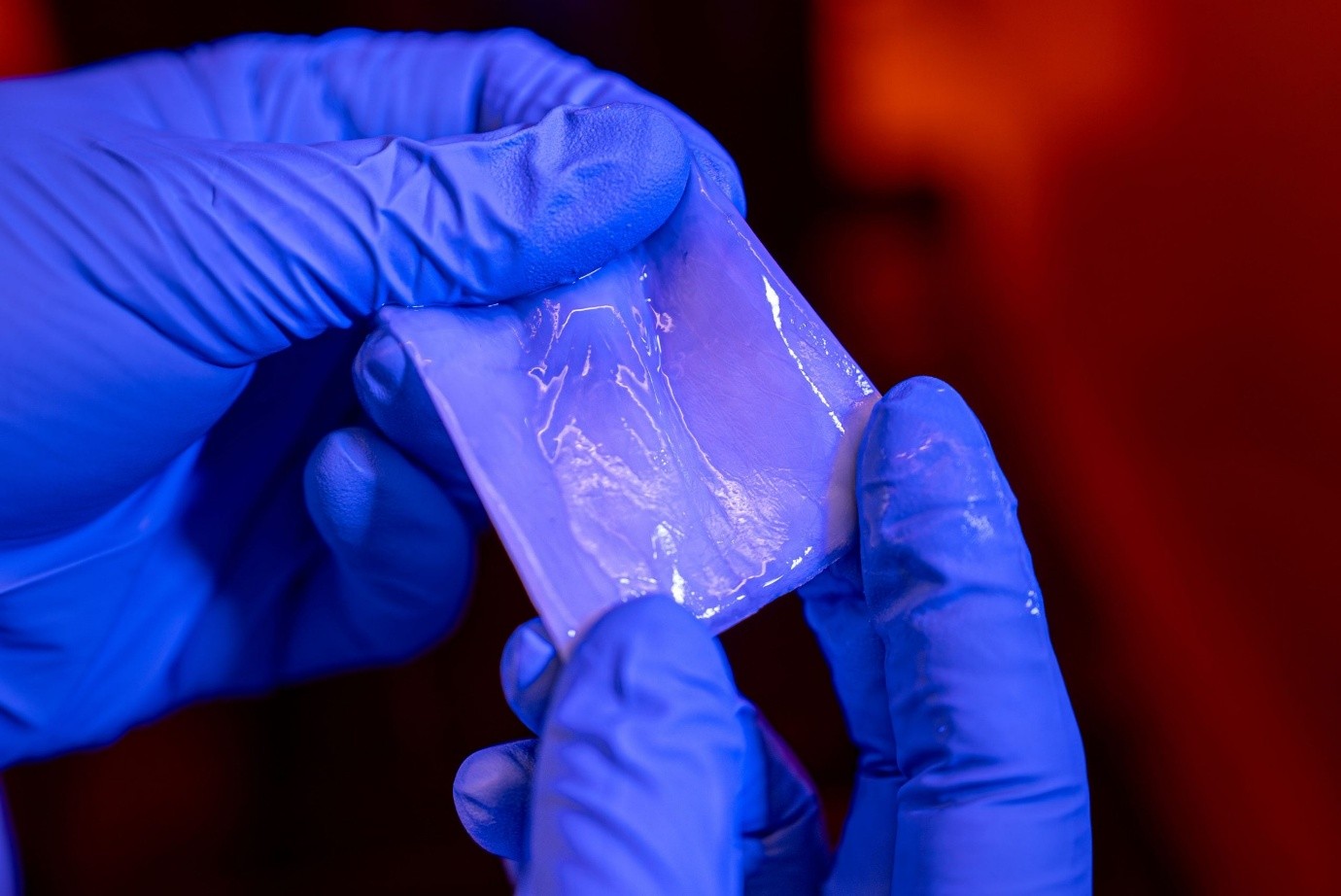
Figure 1. New Study Unveils Scalable High-Strength Bacterial Cellulose Material
Plastic waste continues to pose a serious environmental threat as synthetic plastics slowly degrade into microplastics that can release toxic chemicals such as BPA, phthalates, and carcinogens. Seeking a cleaner alternative, researchers led by Muhammad Maksud Rahman turned to bacterial cellulose, one of the purest and most abundant natural biopolymers found on Earth. Figure 1 Shoews New Study Unveils Scalable High-Strength Bacterial Cellulose Material.
The team developed a rotating bioreactor that guides cellulose-producing bacteria to grow in a highly organized pattern. According to lead author M.A.S.R. Saadi, this alignment dramatically improves the material’s strength, producing microbial cellulose that rivals some metals and glass while remaining flexible, transparent, foldable, and environmentally friendly.
Plastic waste continues to pose a serious environmental threat as synthetic plastics slowly degrade into microplastics that can release toxic chemicals such as BPA, phthalates, and carcinogens. Seeking a cleaner alternative, researchers led by Muhammad Maksud Rahman turned to bacterial cellulose, one of the purest and most abundant natural biopolymers found on Earth.
The team developed a rotating bioreactor that guides cellulose-producing bacteria to grow in a highly organized pattern. According to lead author M.A.S.R. Saadi, this alignment dramatically improves the material’s strength, producing microbial cellulose that rivals some metals and glass while remaining flexible, transparent, foldable, and environmentally friendly.
Guiding Bacterial Movement to Create Stronger Materials
Bacterial cellulose fibers typically grow in random arrangements, limiting their overall strength and functionality. To overcome this, researchers used controlled fluid dynamics inside a specially engineered bioreactor to align cellulose nanofibrils as they formed, producing sheets with tensile strengths reaching 436 megapascals.
The team further enhanced the material by incorporating boron nitride nanosheets during synthesis, creating a hybrid version with an even higher strength of around 553 megapascals [1]. The upgraded material also demonstrated superior thermal performance, transferring heat three times faster than standard samples.
According to M.A.S.R. Saadi, the dynamic biosynthesis method makes it possible to create stronger, more functional materials while easily integrating nanoscale additives to tailor properties for specialized applications. Additional contributors included Shyam Bhakta, Pulickel Ajayan, Matthew Bennett, and Matteo Pasquali.
A Scalable Breakthrough for Next-Generation Biomaterials
Because the manufacturing process is scalable and completed in a single step, the researchers believe the technology could be adapted for many industries. Possible uses include structural components, thermal management systems, packaging, textiles, sustainable electronics, and energy storage devices.
Muhammad Maksud Rahman described the project as a strong example of interdisciplinary collaboration combining materials science, biology, and nanoengineering. The team believes these durable, multifunctional, and environmentally friendly bacterial cellulose sheets could eventually replace plastics across multiple industries while helping reduce environmental pollution.
Reference:
- https://scitechdaily.com/goodbye-plastic-scientists-create-new-supermaterial-that-could-transform-modern-manufacturing/
Cite this article:
Janani R (2026), Scientists Develop Revolutionary Supermaterial That Could Replace Plastic, AnaTechMaz, pp.867
Recent Post
-

NASA’s Psyche Spacecraft Prepares for an Extremely Close Flyby of Mars
NASA’s Psyche is preparing for a dramatic close flyby of Mars to....
-

James Webb Telescope Uncovers the Universe’s Hidden Cosmic Web in Remarkable Detail
Using the James Webb Space Telescope, astronomers have...
-
NASA’s Psyche Probe Set for an Extremely Close Flyby of Mars
NASA’s Psyche spacecraft is gearing up for a daring flyby of Mars to gain a crucial speed boost on its long...
-
Stubborn Mars Rock Clung to NASA’s Curiosity Rover
NASA’s Curiosity Rover accidentally pulled a rock loose from the Martian surface and then spent several...

-

Scientists Say the Brain Can Keep Improving at Any Age
A new long-term study suggests that brain health can continue improving throughout life through....
-
Strange Molecular Signal Could Be the Strongest Hint of Alien Life Yet
Scientists may have uncovered a hidden chemical pattern that could help identify alien life beyond....
-

Europe Introduces a Major Competitor to SpaceX’s Starship Program
A DLR analysis indicates that while Starship could shape the...
-

Researchers Discover a Surprisingly Practical Method to Mine Asteroids for Mars Missions
Asteroids drifting through space may one day supply the metals....

NASA’s Roman Telescope May Uncover the Milky Way’s Missing Neutron Stars
Astronomers believe the Milky Way should contain vast numbers of...
-

NASA’s Roman Space Telescope Moves Closer to Launch
NASA’s Nancy Grace Roman Space Telescope is moving closer to launch and could soon begin an...
-
Scientists Develop Revolutionary Supermaterial That Could Replace Plastic
Scientists have developed a new method for producing bacterial....
-

NASA’s Hubble Captures Unexpected Comet Breakup in Space
In a rare and fortunate observation, NASA’s Hubble Space...
-

Scientists Detect Possible Dark Matter Signature in a Black Hole Collision
Researchers have developed a new method that could use black...
-

NASA’s Hubble Unexpectedly Captured a Comet Breaking Apart
In a remarkable stroke of chance, NASA’s Hubble Space Telescope captured a comet breaking apart...