

AI-Powered Blood Test Can Forecast Stroke and Heart Failure Up to 15 Years Ahead
Researchers at the University of Hong Kong’s LKS Faculty of Medicine have developed an AI-based blood test called CardiOmicScore that can predict a person’s long-term risk of major cardiovascular diseases using a single blood sample. The system analyzes molecular signals in the blood to estimate the likelihood of conditions such as coronary artery disease, stroke, heart failure, atrial fibrillation, peripheral artery disease, and venous thromboembolism. Reported in Nature Communications, the tool may identify early warning signs of these diseases up to 15 years before symptoms appear.
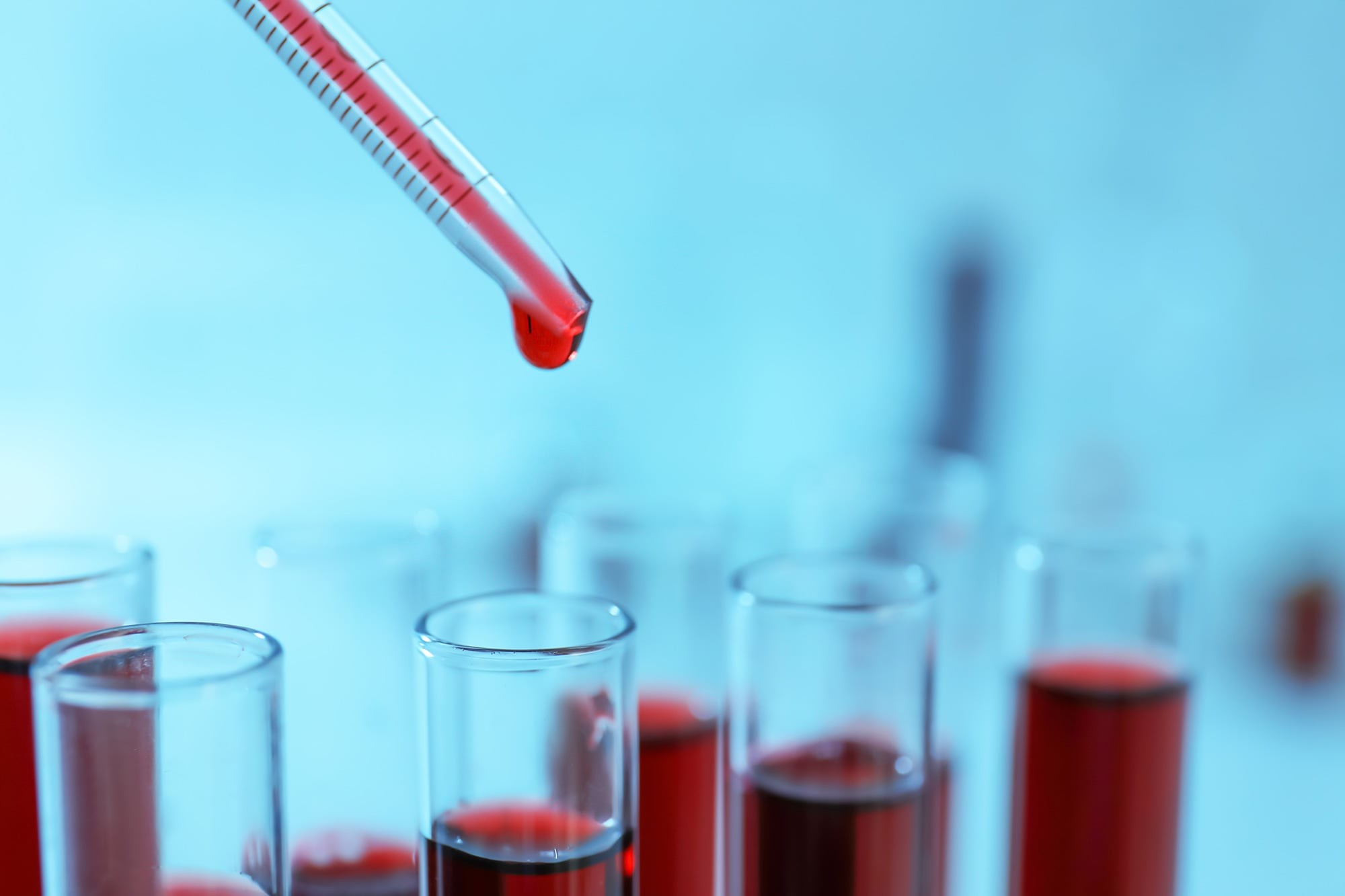
Figure 1. AI-Powered Blood Test Identifies Early Hidden Signs of Cardiovascular Disease Years Before Symptoms Appear
AI-driven multiomics analysis captures a real-time snapshot of the body’s health status
Cardiovascular diseases are the leading cause of death worldwide, responsible for about 19.8 million deaths in 2022. Traditional risk assessments rely on factors like age, blood pressure, smoking status, and other standard clinical markers, but these often fail to detect subtle early biological changes that occur before a diagnosis is possible, limiting opportunities for prevention. Figure 1 shows AI-Powered Blood Test Identifies Early Hidden Signs of Cardiovascular Disease Years Before Symptoms Appear.
Although polygenic risk scores have improved long-term risk prediction, they are based on fixed genetic information and cannot capture how a person’s risk changes over time due to lifestyle or environmental influences. This highlights the need for more dynamic tools that reflect an individual’s current biological state and provide earlier, more accurate warnings for cardiovascular disease.
To address this gap, researchers at HKUMed developed CardiOmicScore using deep learning to integrate multiomics data, including genomics, proteomics, and metabolomics. The model was trained on large-scale data from the UK Biobank, analyzing 2,920 blood-based proteins and 168 metabolites that reflect ongoing biological activity in the body.
These molecular markers act as real-time indicators of physiological changes in immune response, metabolism, and vascular health. According to Professor Zhang Qingpeng, while genes define baseline risk, proteins and metabolites provide a dynamic picture of current health. The AI system interprets these signals to enable earlier detection of disease risk, potentially supporting timely prevention and lifestyle-based interventions.
Accurate 15-Year Early Prediction of Six Major Cardiovascular Diseases in High-Risk Individuals
The study found that CardiOmicScore can transform complex multiomics data into personalized cardiovascular risk scores and outperform traditional polygenic risk scoring methods. When combined with basic clinical information such as age and sex, the model significantly improves prediction accuracy for six major cardiovascular diseases and can detect elevated risk up to 15 years before symptoms appear.
The findings highlight a shift in precision medicine from static, gene-based assessments to more dynamic, multiomics-driven approaches. In the future, a single blood test could potentially generate a comprehensive risk profile across multiple cardiovascular conditions. Professor Zhang emphasized that this approach aims to move healthcare from reactive treatment to early prediction and prevention, improving outcomes at both individual and population levels.
reference:
- https://scitechdaily.com/new-ai-blood-test-predicts-stroke-heart-failure-and-more-up-to-15-years-in-advance/
Cite this article:
Janani R (2026), AI-Powered Blood Test Can Forecast Stroke and Heart Failure Up to 15 Years Ahead, AnaTechMaz, pp.972
Recent Post
-
Japan–US Researchers Create the World’s First Silicon Spintronic Chip
Scientists from Japan and the United States have achieved a....
-
The Next AI Frontier: Systems Capable of Building Better AI
Artificial intelligence may soon play a direct role in creating its own successors, according to new...
-
New AI System Deciphers Laws of Physics to Revolutionize Optical Engineering
Researchers at Chalmers University of Technology have developed a....
-
Scientists Create a Living AI System Powered by Human Brain Cells
Researchers at Princeton University have developed a 3D...
-
AI Symptom Checkers Found to Have Dangerous Weakness, Study Warns
Researchers discovered that when people distrust AI, they tend to....
-
Scientists Use AI To Make Ultrafast Laser Simulations Over 250 Times Faster
Researchers from Stanford University, University of California, Los....
-
Anthropic Acquires AI Developer Tool Startup Stainless, Potentially Cutting Off Rivals Like OpenAI and Google
Stainless is a platform that....
-
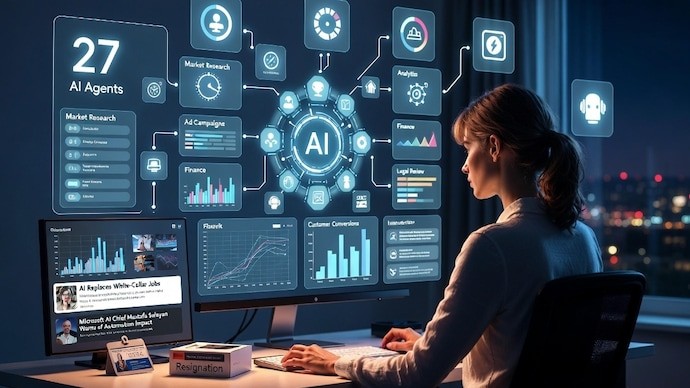
Former eBay Employee Launches Fully AI-Driven Marketing Firm With 27 AI Agents
Former eBay employee Linara Bozieva launched an AI-driven....
-
Perplexity AI Users Report Faster Usage Limits as Company Cites Promo Code Abuse
Perplexity AI says some accounts connected to promotional....
-
Funding Surge Hits Indian Agentic AI Startups as Investors Back Autonomous Enterprise Tech
India’s rapidly expanding artificial intelligence ecosystem is.....
-
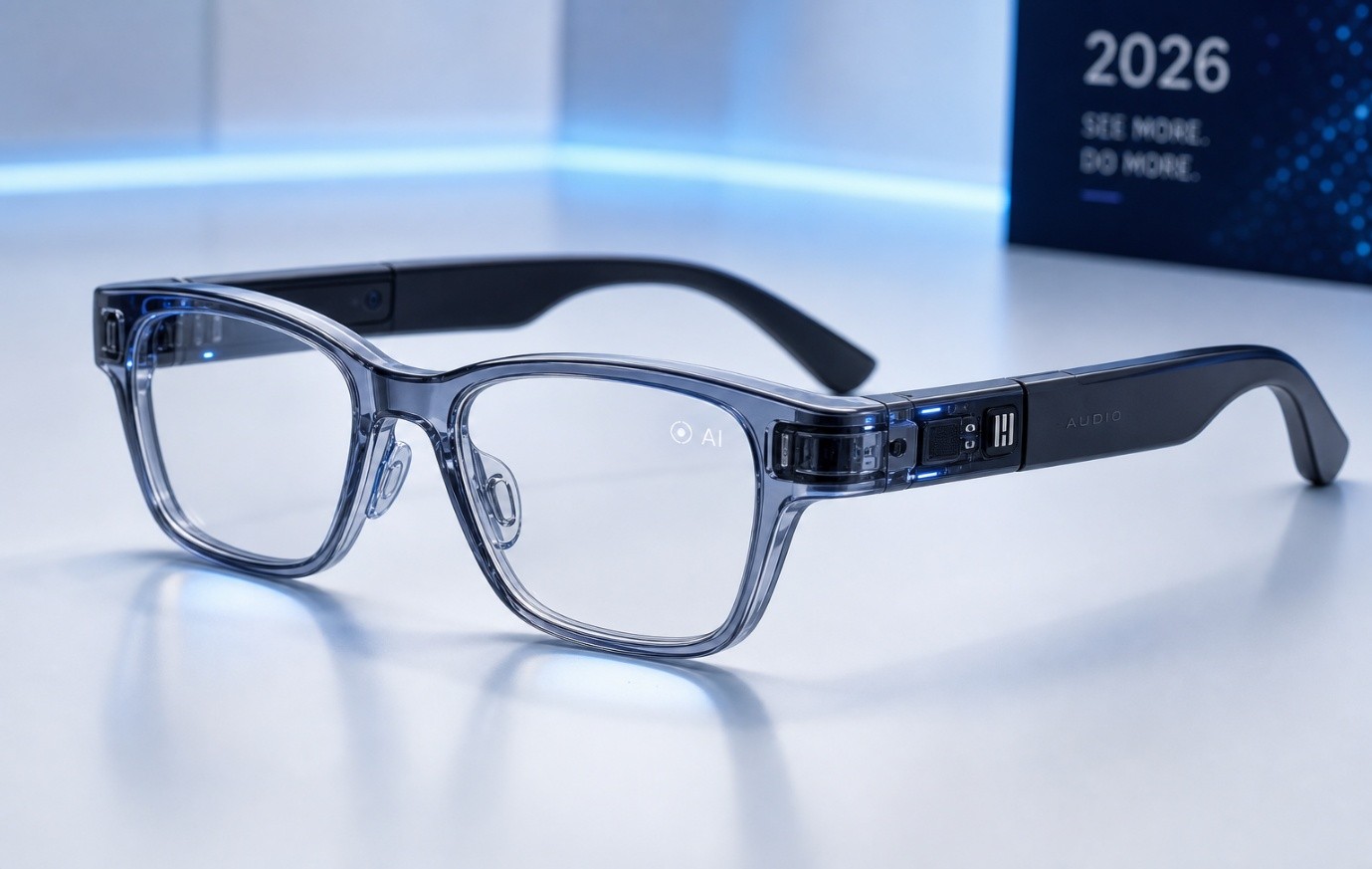
Google Joins AI Wearables Race with Smart Glasses Launch at I/O 2026
Google has stepped up competition in the AI wearables space by....
-
AI-Powered Blood Test Can Forecast Stroke and Heart Failure Up to 15 Years Ahead
Researchers at the University of Hong Kong’s LKS Faculty of...
-
BlueQubit AI Packs Years of Quantum Expertise Into a Single Prompt
BlueQubit aims to condense years of specialized quantum....
-

Gemini Audio Converts Conversations into Structured JSON Notes
Gemini Audio can transform audio recordings into structured,...
-
New Vera CPU Delivers Major Performance Gains for AI Computing
NVIDIA Vice President of Hyperscale and High-Performance Computing...
-