Ericsson Mobility Report: India's 5G User Base to Reach 970 million by 2030
India's 5G User Base to Reach 270 million by 2024, 970 million by 2030, Says Ericsson Mobility Report According to the November Ericsson Mobility Report, India’s 5G user base is projected to hit 270 million by the end of 2024. The report highlights that 5G signals will be accessible in 95% of the population’s current areas, with the number of 5G users expected to soar to 970 million by 2030, making up 74% of total mobile subscriptions.
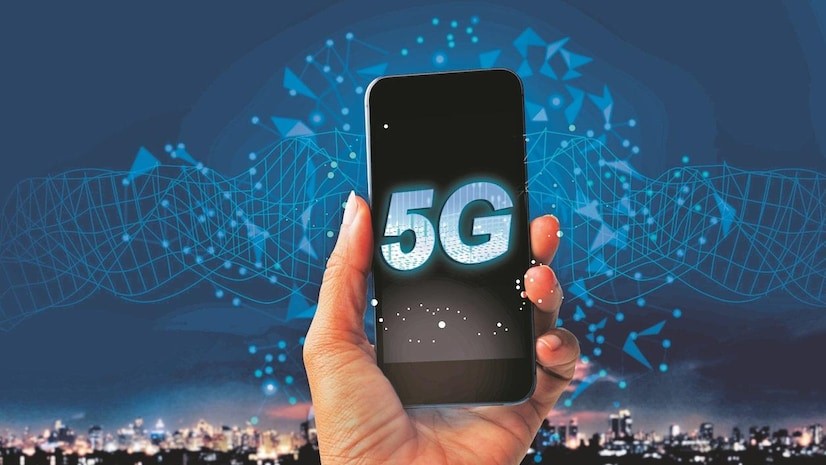
Figure 1. Ericsson Mobility Report: India's 5G User Base Set to Hit 970 million by 2030.
It also predicts a decline in 4G subscriptions, dropping to 240 million by 2030 from the current 640 million, which would represent around 18% of total mobile subscriptions. India’s average monthly data consumption per smartphone is the highest globally at 32 GB, significantly higher than the global average of 19 GB. By 2030, data usage in India is expected to rise to around 66 GB per month. Figure 1 shows Ericsson Mobility Report: India's 5G User Base Set to Hit 970 million by 2030.
On a global scale, 5G subscriptions are forecasted to reach 2.3 billion by the end of this year, with 5G expected to make up a quarter of all mobile connections.
The global milestone of 5G subscriptions surpassing 4G subscribers is anticipated in 2027. By 2030, global 5G subscriptions will rise to 6.3 billion, with 69% in standalone (SA) mode. In India, Reliance Jio has adopted SA, while Bharti Airtel uses the non-SA mode.
5G coverage is expected to reach 85% of the global population by 2030, with 5G networks carrying 70% of mobile traffic, driving all contemporary traffic growth. By the end of the decade, 80% of global data traffic is projected to be carried on 5G networks.
Ericsson ConsumerLab Report: Telecom Operators Urged to Leverage Differentiated 5G Offerings for Rapid Monetization.
The annual Ericsson ConsumerLab report, released on Tuesday, emphasized the need for telecom operators to capitalize on differentiated 5G offerings to quickly monetize the technology. It stressed that 5G networks must be adaptable to meet the rapidly growing demand for high-quality 5G services during major events, such as the Indian Premier League and increasing international concerts in India.
The report also forecasts global fixed wireless access (FWA) connections to reach 350 million by 2030, with 80% of these connections expected to be on 5G, up from the current 160 million. In four out of six global regions, more than 80% of telecom operators now offer FWA services. Additionally, the number of FWA providers offering speed-based tariff plans—matching downlink and uplink data parameters to those of cable or fiber—has grown from 30% to 43% in just the past year.
In contrast, 4G FWA connections are now expected to peak in 2026, later than the previously anticipated 2024.
Massive Growth in 5G Adoption:
- By the end of 2024, India’s 5G user base is expected to reach 270 million, and by 2030, this number will surge to 970 million. This represents a 74% share of all mobile subscriptions in the country, signaling widespread adoption and integration of 5G into daily life.
- 5G's rapid adoption will be fueled by the growing demand for faster, more reliable mobile networks, driven by higher data consumption, technological advancements, and the rollout of 5G infrastructure.
Shift from 4G to 5G:
- As 5G gains traction, the number of 4G users is expected to decrease significantly, from 640 million today to 240 million by 2030. This shift will make 4G account for only 18% of mobile subscriptions, highlighting the accelerating transition to 5G in India.
- While 4G will still serve as a fallback for many users, its role will gradually diminish as 5G becomes the dominant network technology.
Data Consumption Explosion:
- India currently leads the world in average data consumption per smartphone, with 32 GB per month, which is significantly higher than the global average of 19 GB. By 2030, this is expected to rise to 66 GB per month as consumers increasingly rely on mobile data for entertainment, work, and communication.
- The rise in data consumption will be driven by high-bandwidth applications such as 4K video streaming, immersive technologies (like AR/VR), gaming, and the proliferation of IoT devices.
5G as the Backbone of Future Connectivity:
- The rollout of 5G will enable new possibilities, including faster download and upload speeds, lower latency, and more reliable connections. This will support the growing demand for high-speed internet in urban and rural areas alike, ensuring that more people can benefit from advanced mobile services.
- 5G networks are also expected to carry around 70% of mobile traffic globally by 2030, fueling the majority of future growth in data consumption.
Global Trends Impacting India:
- Globally, 5G subscriptions are expected to reach 6.3 billion by the end of the decade, with 80% of data traffic being carried over 5G networks. India, as one of the world's largest mobile markets, will play a crucial role in this global shift.
- The worldwide trend toward standalone 5G (SA) networks is significant, as they offer the full potential of 5G, including lower latency and greater network efficiency. Indian telecom operators, such as Reliance Jio, have already opted for SA, which will contribute to enhanced network performance and future innovations.
Source:Business Standard
Cite this article:
Priyadharshini S (2024), Ericsson Mobility Report: India's 5G User Base to Reach 970 million by 2030, AnaTechMaz, pp. 202
Recent Post
-

AI-Powered Enhancements in Google Search and Lens
Google has recently introduced several exciting updates to its Search and Google Lens tools, using AI.....
-

Google's New Anti-Theft Features Make Android Devices Tougher to Steal
Google is rolling out advanced anti-theft features for Android devices, .....
-
Want To Chat with Santa? ChatGPT’s New Feature Makes It Possible
The holiday season is here, and OpenAI has made it even more ....
-
Apple's Siri Becomes More Intelligent, And the iPhone 16 Gains Exclusive AI Features with iOS 18.2
The iOS 18.2 update is now available for all iPhones compatible with ....
-

3M Pioneers the Future of Mobility Through Sustainability and Digital Innovation
In an era shaped by the pressing need for sustainability, rapid ......
-
Ericsson Mobility Report: India's 5G User Base to Reach 970 million by 2030
India's 5G User Base to Reach 270 million by 2024, 970 million by....

WhatsApp For iPhone Could Soon Allow Users to Manage Multiple Accounts on A Single Device
If you’ve ever wished for the ability to add multiple accounts on ........
X's 'Community Notes': A Framework for Meta
Meta CEO Mark Zuckerberg announced on Tuesday that the company will adopt a model ........

Apple Releases Ios 18.3 Public Beta 2: New Features and Eligibility Details
Apple has released the second public beta of iOS 18.3, which .........
-

Google Introduces 'Ask About This PDF' Feature for Gemini on Android: Here's How It Works
Google is introducing a new feature for the Gemini Assistant on the ........
-
Meta Eases Content Moderation Policy, Opening the Door for an X-Style Community Notes Model
In the past, Meta implemented strict measures to combat ......
-

Dot Urges Telecom Companies to Implement Caller ID Feature, Ending Fake Calls
The Department of Telecommunications (DoT) has instructed ....
-
Deepseek: The Startup Disrupting AI Stocks with Groundbreaking Developments
This part will introduce DeepSeek as an emerging startup, highlighting ....