

Solidion Unveils Extreme-Climate Battery Platform for Future Space Missions
Battery manufacturer Solidion Technology has introduced a new battery platform designed to power the next generation of satellites, spacecraft, lunar habitats, and orbital infrastructure. The company says its Generation Extreme-Climate Battery (Gen-ECB) platform is engineered to operate in the harsh conditions of space while advancing the commercialization of high-energy lithium-metal batteries.
The Dallas-based firm claims the Gen-ECB platform can function across temperatures ranging from -80°C to +60°C, making it suitable for environments where conventional batteries struggle. By incorporating graphene, known for its exceptional thermal conductivity and resistance to radiation, the system is designed to maintain stable performance despite extreme temperature fluctuations and prolonged exposure to space conditions.
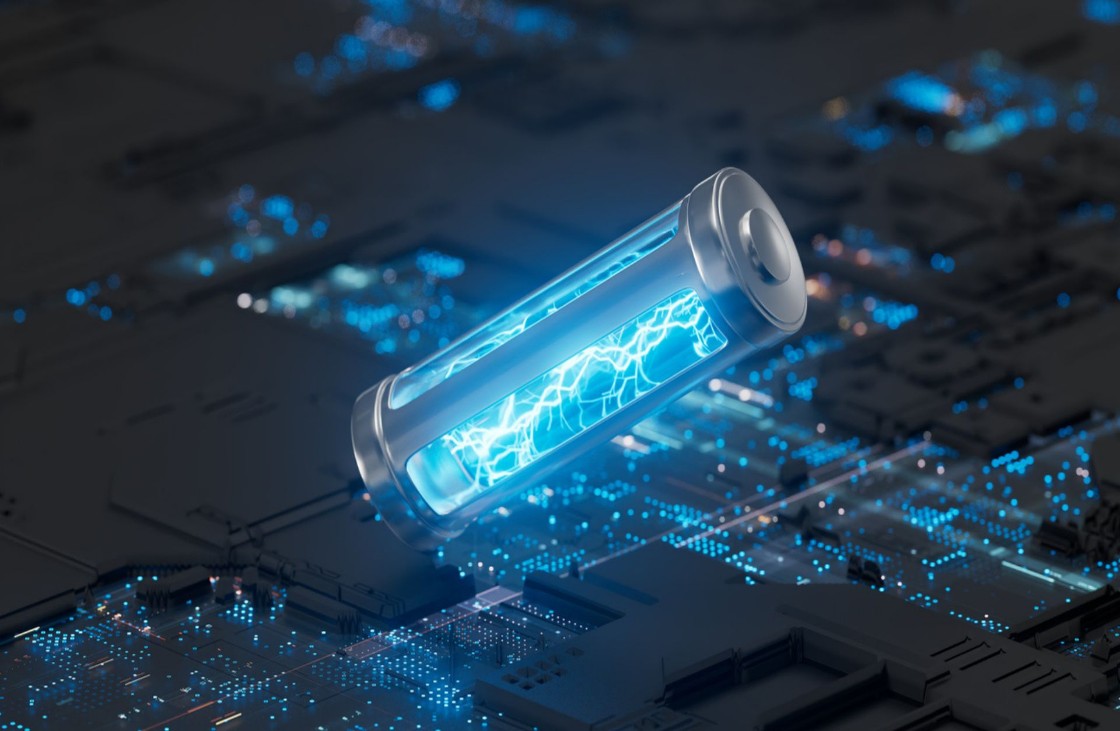
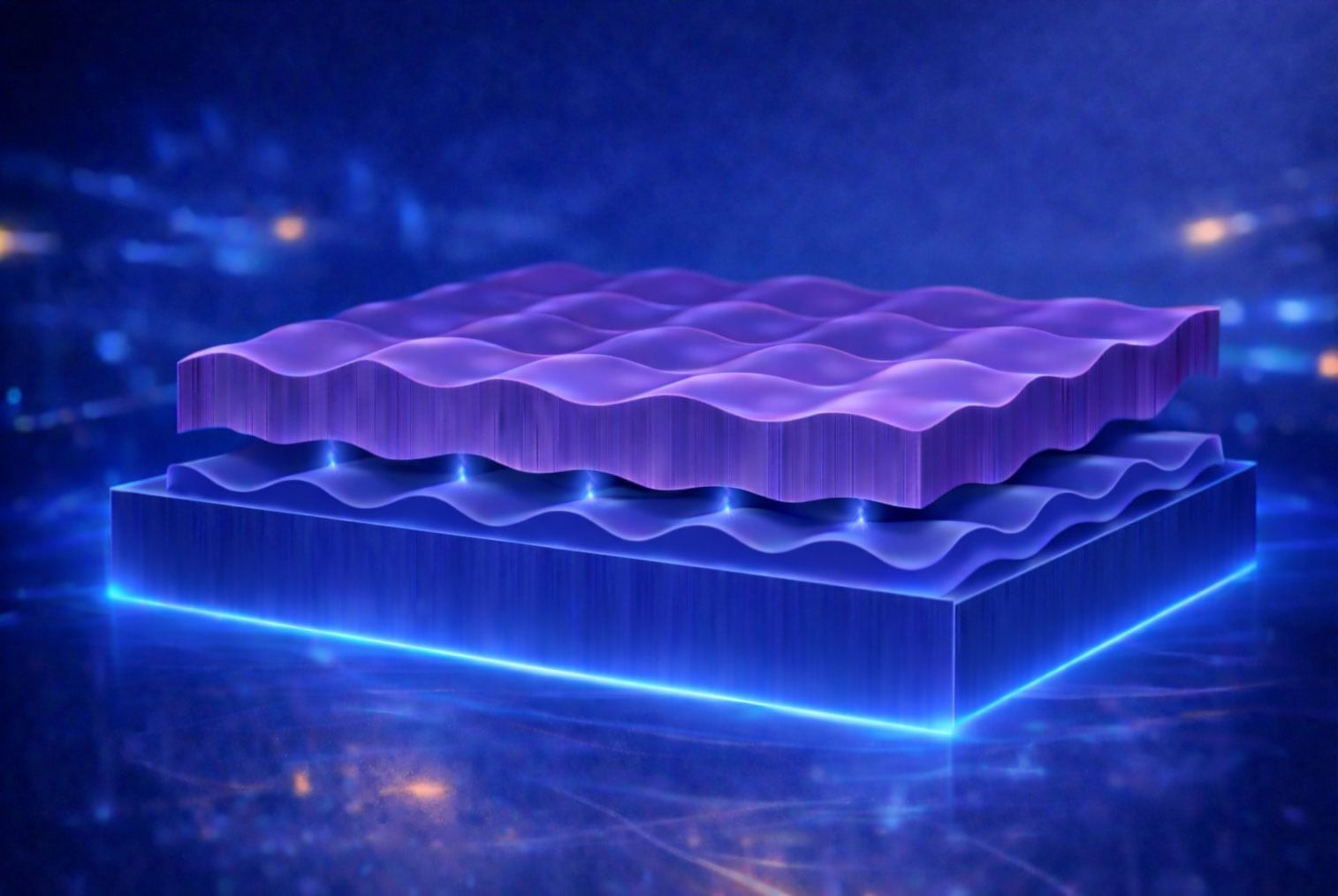
Figure 1. Extreme-Climate Battery.
The technology is being developed for a wide range of applications, including satellites, crewed spacecraft, lunar bases, rovers, and emerging low-Earth-orbit data centers that may support future artificial intelligence operations. These applications require energy storage systems capable of delivering reliable performance while enduring severe environmental stresses. Figure 1 shows extreme-climate battery.
Solidion says the Gen-ECB platform complements its broader portfolio of advanced battery technologies, including silicon-rich all-solid-state lithium-ion batteries, anode-less lithium-metal batteries, and lithium-sulfur batteries. These systems are designed to achieve energy densities exceeding 380 Wh/kg while utilizing non-flammable solid electrolytes, a feature that could improve safety for crewed missions and other critical applications.
In addition to unveiling the new battery platform, the company announced a lithium-metal anode protection technology aimed at overcoming several major obstacles that have hindered lithium-metal battery commercialization [1]. According to Solidion, the patented system addresses unwanted chemical reactions between lithium and electrolytes, suppresses the growth of lithium dendrites that can cause short circuits, and reduces interface gaps that form between lithium metal and solid-state electrolyte layers.
These challenges have long limited the deployment of advanced battery chemistries such as lithium-sulfur, lithium-air, and anodeless lithium-metal batteries, despite their potential to store substantially more energy than traditional lithium-ion cells.
The company believes its innovations could benefit not only future space missions but also electric vehicles, drones, robotics, and backup power systems for AI data centers. Supported by a portfolio of more than 385 patents, Solidion is positioning its technology as a key component in the next generation of high-performance energy storage solutions.
If the company's claims are validated through testing and deployment, the Gen-ECB platform could help power some of the most demanding environment’s humanity has explored, from lunar outposts to advanced space-based computing infrastructure.
References
- https://interestingengineering.com/energy/solidion-space-battery-lithium-metal-platform
Cite this article:
Keerthana S (2026), Solidion Unveils Extreme-Climate Battery Platform for Future Space Missions, AnaTechMaz, pp.397
Recent Post
-
Grain-Sized Crystal Challenges Conventional Physics with Magnetic Field Breakthrough
Scientists at Institute of Science and Technology Austria have....
-

Ultra-Fast Flexible Transistors Reach 100 GHz Milestone
Researchers have achieved a major breakthrough in flexible electronics by developing carbon....
-

Ancient Chemical Method Inspires Breakthrough in Advanced Glass Engineering
Scientists have revived a centuries-old glassmaking principle to...
-
Cracking the Code of High-Temperature Superconductors
For decades, the mystery of high-temperature superconductivity has challenged some of the..
-

Unlocking the Atomic Secrets of Record-Breaking Superconductors
The quest for lossless electricity transmission has taken a major step forward. An international...
-
New Artificial Leaf Uses Sunlight to Turn CO₂ into Clean Methanol
Researchers at Yale University have developed a solar-powered artificial leaf capable of converting carbon ...
-
Solidion Unveils Extreme-Climate Battery Platform for Future Space Missions
Battery manufacturer Solidion Technology has introduced a...
-
Revolutionary Mass Spectrometry System Detects Billions of Molecules at Once
Mass spectrometry has long been one of the most important tools...
-
Recycling for Technology: New Partnership Extracts Semiconductor Resources from Aluminum Scrap
A new partnership between ...
-
Smart Thermal Tags Offer a Breakthrough in Plastic Waste Sorting
Plastic waste remains one of the world's most pressing...
-

Physicists Detect Unusual Quantum Rotation Phenomenon That Challenges Intuition
Researchers have found that atomic-scale rotations inside a crystal....
-

Scientists Discover Low-Cost Route to Clean Hydrogen Production
Researchers at the University of Birmingham have developed a new technique for producing hydrogen...
-
Scientists Harvest Electricity from Moisture in the Air Using Common Materials
A study published in Nano Energy reports the development of a....
-
Scientists Solve Long-Standing Mystery of High-Temperature Superconductors
New experimental measurements of nickelate superconductors...
-

Breakthrough Discovery Unveils Previously Hidden State of Matter
Scientists have achieved a major breakthrough by capturing a long-theorized hidden state of....