

Scientists Discover Evidence That Asteroids May Have Sparked Life on Earth
Researchers from the Korea Institute of Geoscience and Mineral Resources have found evidence suggesting that ancient asteroid impact craters may have helped support the emergence of oxygen-producing life on early Earth.
The team discovered stromatolites within the Hapcheon Impact Crater, the only confirmed asteroid impact crater on the Korean Peninsula. Stromatolites are layered rock structures created by ancient microbial communities and are regarded as some of the oldest known evidence of life on Earth.
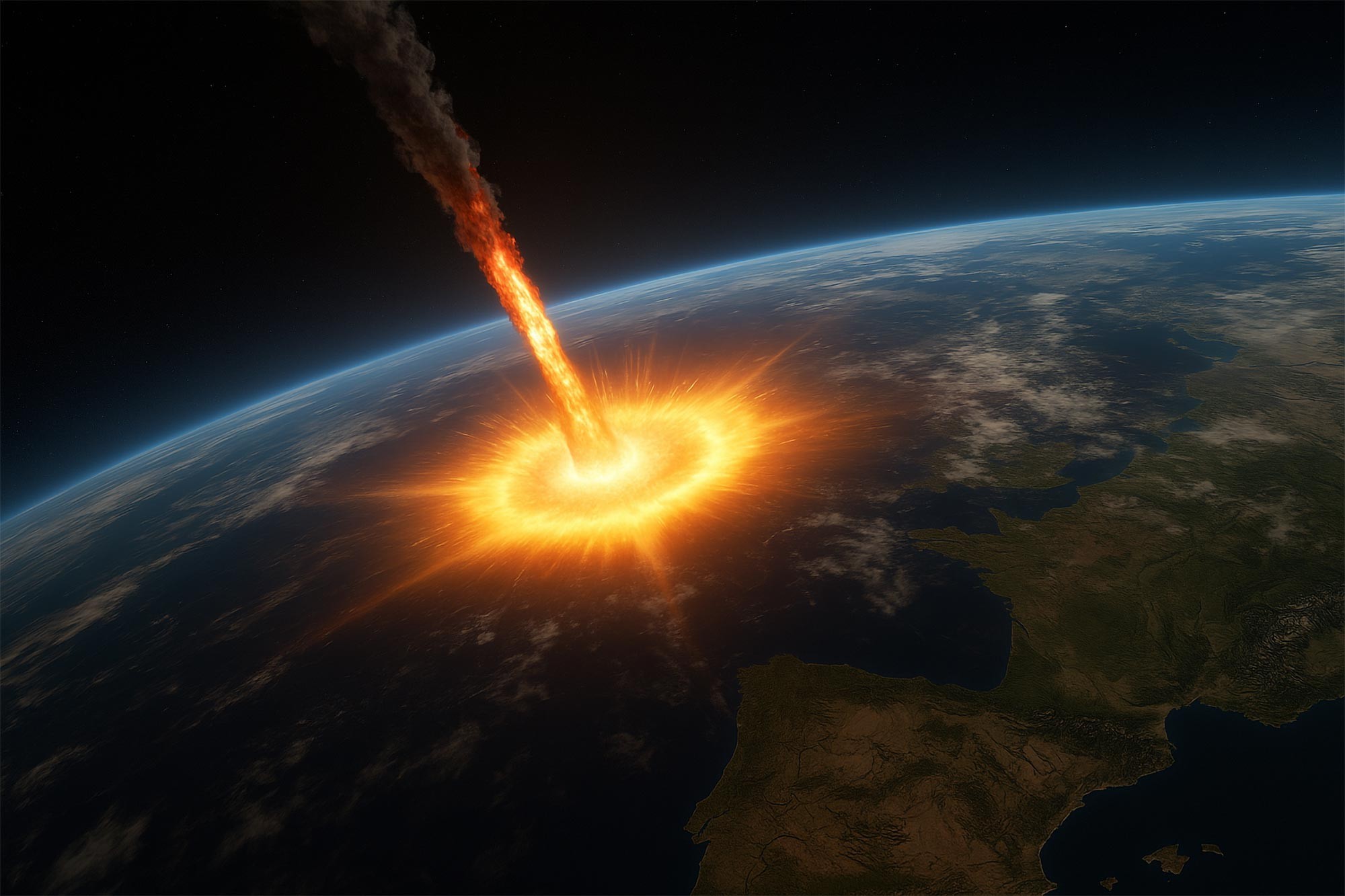
Figure 1. Ancient Stromatolites Found in Asteroid Crater Hint at Life’s Origins
The findings suggest that asteroid craters may once have provided stable, protected environments where early microbial ecosystems could survive and evolve. Figure 1 shows Ancient Stromatolites Found in Asteroid Crater Hint at Life’s Origins.
Hydrothermal Crater Lakes May Have Nurtured Early Microbial Life
The researchers believe the stromatolites formed within a hydrothermal lake created after a major asteroid impact. Heat generated by molten rock from the collision likely kept the lake warm and mineral-rich for extended periods, producing conditions that could support microbial ecosystems.
Stromatolites are often linked to cyanobacteria, microorganisms capable of generating oxygen through photosynthesis. Fossil evidence suggests these structures existed at least 3.5 billion years ago.
The team identified several stromatolites in the northwestern region of the Hapcheon Impact Crater, each measuring approximately 10 to 20 centimeters in diameter. According to the researchers, this marks the first reported discovery of stromatolites at the crater site.
New Clues Emerge About Earth’s Great Oxidation Event
The discovery may provide new insight into the Great Oxidation Event, a major transition that occurred about 2.4 billion years ago when oxygen levels in Earth’s atmosphere increased dramatically.
According to the researchers, hydrothermal lakes formed by asteroid impacts could have acted as sheltered environments where oxygen-producing microbes were able to thrive. These isolated ecosystems may have functioned as localized “oxygen oases” before oxygen became abundant throughout the planet’s atmosphere.
Geochemical Evidence Reveals Ancient Hydrothermal Activity
Chemical analysis of the stromatolites uncovered signatures associated with both extraterrestrial material and the surrounding crater bedrock [1]. The researchers also found indications that the formations had been modified by exposure to high-temperature water.
The innermost layers showed the strongest hydrothermal signals, suggesting they formed during an earlier and hotter stage in the history of the crater lake. Overall, the findings support the idea that the stromatolites developed within a post-impact hydrothermal lake that slowly cooled over time.
Discovery May Have Implications for Ancient Life on Mars
The findings could also have implications beyond Earth. Scientists believe early Mars once hosted water-filled impact craters, similar to the environments studied in this research.
Because of this, the team suggests that ancient Martian crater lakes and hydrothermal systems could be promising targets in the search for evidence of past microbial life.
Reference:
- https://scitechdaily.com/scientists-just-found-evidence-that-asteroids-may-have-helped-create-life-on-earth/
Cite this article:
Janani R (2026), Scientists Discover Evidence That Asteroids May Have Sparked Life on Earth, AnaTechMaz, pp.875
Recent Post
-
Ultra-Faint Dwarf Galaxies May Reveal the Universe’s Earliest Secrets
Ultra-faint dwarf galaxies orbiting the Milky Way may provide....
-
The Coldest Objects in the Galaxy Could Be Alien Megastructures Disguised as Stars
The James Webb Space Telescope has uncovered a dynamic daily ....
-
The Galaxy’s Coldest “Stars” May Actually Be Alien Megastructures
Astronomers are exploring how to detect potential Dyson swarms by searching for unusually cold....
-
NASA’s Psyche Spacecraft Uses Mars for a Powerful Gravity Assist
NASA’s Psyche successfully completed a close flyby of Mars on May 15, using the planet’s gravity as a...
-
Scientists Discover Evidence That Asteroids May Have Sparked Life on Earth
Researchers from the Korea Institute of Geoscience and Mineral....
-
Scientists Successfully Test a High-Power Thruster Designed for Crewed Missions to Mars
NASA’s latest electric propulsion system has broken a U.S.....
-
The Universe’s Most Energetic Particles May Be Stranger Than Scientists Expected
Researchers have found that ultraheavy atomic nuclei...
-
NASA Captures Unusual Solar Radio Burst That Refused to Fade
NASA scientists were stunned after the Sun emitted a strange radio signal that continued broadcasting...
-
Scientists Scan Famous Exoplanet K2-18b for Possible Signs of Alien Life
A major SETI Institute investigation found no evidence of...
Scientists Warn NASA May Be Missing Potential Evidence of Alien Life
Astrobiologists warn that the search for alien life may be constrained..