

Scientists Uncover Previously Unknown Organelle Within Human Cells
Researchers have discovered a previously unknown organelle in human cells, called the hemifusome, which appears to regulate cellular recycling. This breakthrough may shed light on certain inherited diseases and pave the way for novel therapeutic strategies.
Researchers at the University of Virginia and the National Institutes of Health have identified a new cellular structure called the “hemifusome,” which plays a key role in how cells organize, recycle, and dispose of internal materials. Described as a kind of internal recycling center, the hemifusome may be crucial for understanding genetic disorders that disrupt these processes. “We believe it helps cells manage packaging and processing,” said Dr. Seham Ebrahim, “and when this system fails, it could contribute to a range of diseases affecting multiple body systems.”

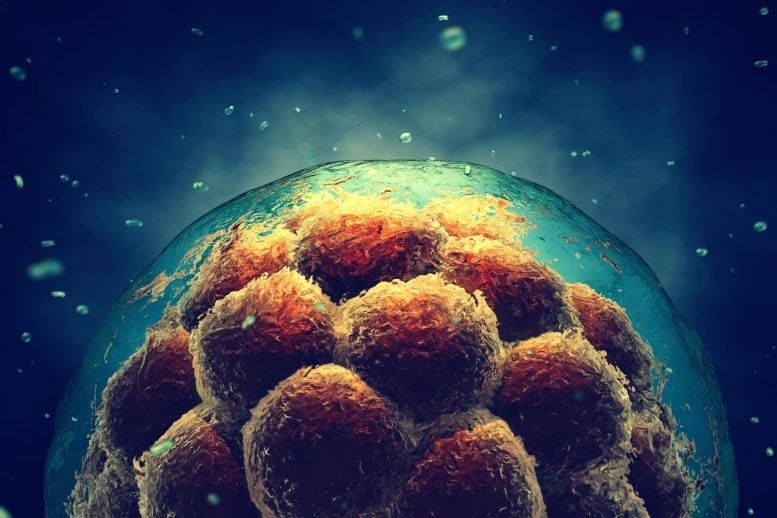
Figure 1. New Organelle Could Redefine Cellular Recycling and Genetic Disease
Hermansky-Pudlak syndrome, a rare inherited disorder that can lead to albinism, vision issues, respiratory complications, and blood clotting problems, is one condition linked to disruptions in cellular cargo processing. Mismanagement of this internal material is a key factor in many related genetic diseases. Figure 1 shows New Organelle Could Redefine Cellular Recycling and Genetic Disease.
“We’re only starting to uncover how this newly identified organelle influences overall cell health and disease,” said Dr. Ebrahim. “Discovering something entirely new within cells is rare and opens up exciting new avenues for research.”
Meet the Hemifusome
Ebrahim and her team at UVA Health, in collaboration with researchers from the NIH, including Dr. Bechara Kachar, Dr. Amirrasoul Tavakoli, and Dr. Shiqiong Hu, identified the hemifusome using advanced cryo-electron tomography. This high-resolution imaging technique allows scientists to capture cells in a near-natural state by freezing them in time. The hemifusome appears and disappears based on the cell's needs and plays a vital role in forming vesicles—small internal compartments—and in assembling larger organelles made of multiple vesicles. This process is crucial for sorting, recycling, and disposing of cellular materials.
Ebrahim, from UVA’s Center for Membrane and Cell Physiology, likens vesicles to delivery trucks within the cell and the hemifusome to a loading dock where these vesicles connect and exchange cargo—a step in the process that was previously unknown. Although hemifusomes had gone unnoticed until now, researchers have found them to be surprisingly common in specific areas of the cell [1]. They are now working to understand the organelle’s role in maintaining healthy cellular function and how its malfunction might contribute to genetic disorders. These insights could eventually lead to targeted therapies for complex inherited diseases. “This is just the beginning,” Ebrahim said. “Now that we know hemifusomes exist, we can explore how they function in health and disease.”
References:
- https://scitechdaily.com/scientists-discover-unknown-organelle-inside-our-cells/
Cite this article:
Janani R (2025), Scientists Uncover Previously Unknown Organelle Within Human Cells, AnaTechMaz, pp. 441
Recent Post
-

Scientists Remove Enigmatic Organelles from Cells to Uncover Hidden Secrets
Mitochondria are specialized organelles found in the cells of most eukaryotic.....
-

This Fish Can Regenerate Its Hearing – Scientists Finally Know Why
While the human body can regularly replace certain cell types......

Ancient Viruses Lurk in Your DNA – And They’re Calling the Shots
Large portions of our DNA are made up of repeated sequences known....

Scientists Unravel Long-Standing Mystery of Photosynthesis
In most photosynthetic organisms, a protein-pigment complex.....

Scientists Visualize Crucial Inflammation-Regulating Protein for the First Time
Using advanced microscopy, researchers have visualized two key...
-
Scientists Uncover Previously Unknown Organelle Within Human Cells
Researchers have discovered a previously unknown organelle in...
-

Revolutionary “Material Maze” May Help Prevent Bacterial Infections
Scientists at the University of Nottingham have discovered that patterned plastic surfaces can...
-

Actor–Critic Algorithm Enhances Power Output in Direct Methanol Fuel Cells
In the fast-growing field of sustainable energy, direct methanol fuel...
-

A More Efficient Approach to Studying Complex Treatment Interactions
MIT researchers have introduced a new theoretical framework that enables...
-

Scientists Identify Mysterious New Cell Type That Breaks Down Bone
Researchers studying Burmese pythons have discovered a previously unknown type of intestinal...
-
Unlocking RNA's Origins: A Chemical Clue Discovered
New research from Scripps Research offers a fresh look at why nature may have chosen ribose as RNA’s sugar...
-
Gene Regulation Reveals Surprising Order, Defying Long-Held Scientific Assumptions
In a breakthrough that rewrites a key chapter of molecular biology,...
-
Artificial Intelligence Sheds Light on Gut Bacteria Communication
Gut bacteria are essential players in human health, influencing everything from digestion to brain function...
-
Plaque-Eating Immune Cells May Help Some Brains Resist Alzheimer’s
In Alzheimer’s disease, proteins such as amyloid beta can clump into...
-
Frozen in Time: How Human Eggs Stay Alive for Decades
Human eggs can remain viable for decades by dialing down their internal recycling systems, according to ...