

This Fish Can Regenerate Its Hearing – Scientists Finally Know Why
Why Humans Can’t Regrow Sensory Cells
While the human body can regularly replace certain cell types—like those in the blood or digestive tract—it struggles to regenerate more specialized tissues. One notable example is the sensory hair cells of the inner ear. Damage to these fragile cells can lead to permanent hearing loss, deafness, or balance disorders, as humans lack the natural ability to regenerate them.

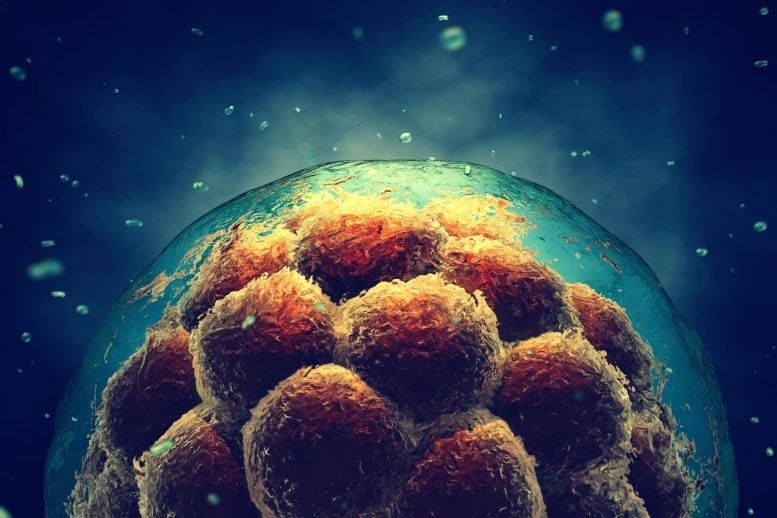
Figure 1. Fish That Regrow Hearing Cells May Hold Key to Human Restoration.
In contrast, animals such as fish, frogs, and chicks can regenerate these sensory cells with remarkable ease. Now, researchers at the Stowers Institute for Medical Research have uncovered how two specific genes enable this regeneration in zebrafish. Their findings offer important insights into the underlying biology of regeneration and may pave the way for new treatments that restore hearing or mimic this ability in humans. Figure 1 shows Fish That Regrow Hearing Cells May Hold Key to Human Restoration.
Unraveling the Mysteries of Cell Division
“For tissues to maintain and regenerate themselves, cells must divide to replace those that die or are shed,” explained Piotrowski. “But this process depends on having cells capable of dividing. To understand how cell division is regulated, we need to uncover how stem cells—and the cells they produce—know when to divide and when to begin differentiating.”
Zebrafish Neuromasts: Nature’s Regeneration Lab
Zebrafish provide an ideal model for studying regeneration. Along their bodies, from head to tailfin, they have sensory organs called neuromasts arranged in a neat line. Shaped like tiny garlic bulbs, each neuromast features hair-like cells at the top, surrounded by various supporting cells that can generate new hair cells.
These hair cells, which enable zebrafish to sense water movement, are strikingly similar to the sensory cells found in the human inner ear. Because zebrafish are transparent during early development and have easily accessible sensory systems, researchers can directly observe each neuromast cell and also genetically sequence or modify them.
This powerful combination allows scientists to explore key processes such as stem cell renewal, the proliferation of progenitor cells (which develop into hair cells), and the full cycle of hair cell regeneration.
Gene Manipulation Reveals the Secrets of Regeneration
“We can manipulate genes to identify which ones are essential for regeneration,” explained Piotrowski. “By studying how zebrafish regenerate sensory cells, we hope to understand why mammals lack this ability—and whether we might someday trigger it.”
In zebrafish neuromasts, two main types of supporting cells drive regeneration: active stem cells located at the edges and progenitor cells situated near the center. These cells divide symmetrically, enabling continuous production of new hair cells without depleting the stem cell pool.
Using a specialized sequencing technique, Piotrowski’s team identified which genes were active in each cell type. They discovered that two distinct cyclinD genes were present—each uniquely associated with either stem or progenitor cells.
CyclinD Genes: Separate Regulators of Cell Division
The researchers then genetically modified each gene in its respective cell type. The results were striking: each cyclinD gene regulated cell division independently in stem and progenitor cells.
“When we knocked out one of these genes, only the corresponding cell population stopped dividing,” said Piotrowski. “This shows that different groups of cells within the same organ can be regulated separately—an insight that may apply to tissues like the intestine or blood.”
Interestingly, progenitor cells without their specific cyclinD gene stopped dividing but still managed to differentiate into hair cells, separating the processes of division and specialization. Even more compelling, when the stem cell-specific cyclinD gene was introduced into progenitor cells, those cells resumed division—demonstrating that division could be restored by swapping regulatory programs.
Source: SciTECHDaily
Cite this article:
Priyadharshini S (2025), This Fish Can Regenerate Its Hearing – Scientists Finally Know Why, AnaTechMaz, pp.437
Recent Post
-

Scientists Remove Enigmatic Organelles from Cells to Uncover Hidden Secrets
Mitochondria are specialized organelles found in the cells of most eukaryotic.....
-
This Fish Can Regenerate Its Hearing – Scientists Finally Know Why
While the human body can regularly replace certain cell types......

Ancient Viruses Lurk in Your DNA – And They’re Calling the Shots
Large portions of our DNA are made up of repeated sequences known....

Scientists Unravel Long-Standing Mystery of Photosynthesis
In most photosynthetic organisms, a protein-pigment complex.....

Scientists Visualize Crucial Inflammation-Regulating Protein for the First Time
Using advanced microscopy, researchers have visualized two key...
-

Scientists Uncover Previously Unknown Organelle Within Human Cells
Researchers have discovered a previously unknown organelle in...
-

Revolutionary “Material Maze” May Help Prevent Bacterial Infections
Scientists at the University of Nottingham have discovered that patterned plastic surfaces can...
-

Actor–Critic Algorithm Enhances Power Output in Direct Methanol Fuel Cells
In the fast-growing field of sustainable energy, direct methanol fuel...
-

A More Efficient Approach to Studying Complex Treatment Interactions
MIT researchers have introduced a new theoretical framework that enables...
-

Scientists Identify Mysterious New Cell Type That Breaks Down Bone
Researchers studying Burmese pythons have discovered a previously unknown type of intestinal...
-
Unlocking RNA's Origins: A Chemical Clue Discovered
New research from Scripps Research offers a fresh look at why nature may have chosen ribose as RNA’s sugar...
-
Gene Regulation Reveals Surprising Order, Defying Long-Held Scientific Assumptions
In a breakthrough that rewrites a key chapter of molecular biology,...
-
Artificial Intelligence Sheds Light on Gut Bacteria Communication
Gut bacteria are essential players in human health, influencing everything from digestion to brain function...
-
Plaque-Eating Immune Cells May Help Some Brains Resist Alzheimer’s
In Alzheimer’s disease, proteins such as amyloid beta can clump into...
-
Frozen in Time: How Human Eggs Stay Alive for Decades
Human eggs can remain viable for decades by dialing down their internal recycling systems, according to ...