

Ancient Viruses Lurk in Your DNA – And They’re Calling the Shots
Uncovering the Hidden Influence of Ancient Viral DNA
Large portions of our DNA are made up of repeated sequences known as transposable elements (TEs), which trace their origins back to ancient viruses. These viral remnants spread through our genome over millions of years using a copy-and-paste mechanism, and now make up nearly half of our genetic code. Once dismissed as "junk DNA," scientists are now discovering that some TEs act as powerful genetic switches, capable of turning nearby genes on or off depending on the cell type.

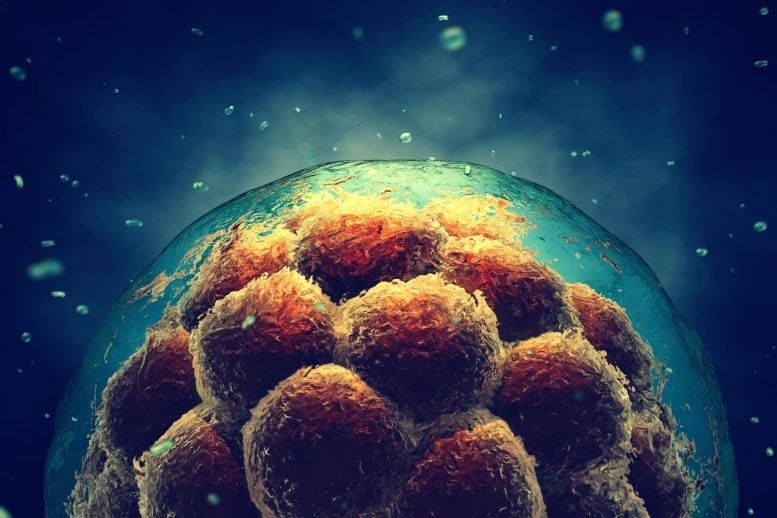
Figure 1. Ancient Viruses Hidden in Your DNA Are Steering Gene Activity.
However, studying these elements has been tricky. Because many TEs are highly repetitive and nearly identical, they’re hard to distinguish. Younger TE families, such as one called MER11, are especially challenging to analyze and remain poorly annotated in existing genetic databases—leaving many of their functions still shrouded in mystery. Figure 1 shows Ancient Viruses Hidden in Your DNA Are Steering Gene Activity.
Epigenetic Clues Uncover the True Power of Ancient Viral DNA
Armed with a new classification system, researchers uncovered patterns in transposable elements that had gone unnoticed. By comparing the newly defined MER11 groups with epigenetic markers—chemical modifications on DNA and its proteins that control gene activity—they found that their classification more accurately reflected the biological roles of these elements than previous methods.
To see if MER11 sequences could directly influence genes, the team turned to lentiMPRA (lentiviral massively parallel reporter assay), a high-throughput technique that inserts thousands of DNA sequences into cells to test their ability to boost gene expression. They analyzed nearly 7,000 MER11 sequences from humans and other primates, observing their effects in human stem cells and early neural cells.
The Emerging Power of MER11_G4
Among the tested sequences, MER11_G4—the youngest subfamily—stood out. It was especially potent at activating gene expression and carried a unique set of regulatory “motifs,” short DNA segments that serve as landing sites for transcription factors, the proteins that orchestrate gene activity. These motifs help determine how genes respond to signals during development or changes in the environment.
Comparative analysis revealed that MER11_G4 sequences had evolved differently in humans, chimpanzees, and macaques. In humans and chimps, some had acquired mutations that likely enhanced their regulatory power in stem cells.
“Young MER11_G4 binds to a distinct set of transcription factors, showing that this group evolved new regulatory functions and may even play a role in species differences,” said lead researcher Dr. Xun Chen.
Rethinking “Junk” DNA and Its Evolutionary Impact
This study provides a compelling example of how so-called “junk” DNA can be repurposed into functional elements that regulate gene activity. By tracing the evolutionary history of these ancient viral sequences and experimentally testing their effects, the researchers showed how transposable elements have been integrated into the machinery of gene regulation in primates.
“Although the human genome was sequenced years ago, we still don’t fully understand the functions of many of its parts,” said co-lead author Dr. Inoue. “Transposable elements appear to play crucial roles in genome evolution, and their importance will likely become even clearer as research progresses.”
Source: SciTECHDaily
Cite this article:
Priyadharshini S (2025), Ancient Viruses Lurk in Your DNA – And They’re Calling the Shots, AnaTechMaz, pp.438
Recent Post
-

Scientists Remove Enigmatic Organelles from Cells to Uncover Hidden Secrets
Mitochondria are specialized organelles found in the cells of most eukaryotic.....
-

This Fish Can Regenerate Its Hearing – Scientists Finally Know Why
While the human body can regularly replace certain cell types......
Ancient Viruses Lurk in Your DNA – And They’re Calling the Shots
Large portions of our DNA are made up of repeated sequences known....

Scientists Unravel Long-Standing Mystery of Photosynthesis
In most photosynthetic organisms, a protein-pigment complex.....

Scientists Visualize Crucial Inflammation-Regulating Protein for the First Time
Using advanced microscopy, researchers have visualized two key...
-

Scientists Uncover Previously Unknown Organelle Within Human Cells
Researchers have discovered a previously unknown organelle in...
-

Revolutionary “Material Maze” May Help Prevent Bacterial Infections
Scientists at the University of Nottingham have discovered that patterned plastic surfaces can...
-

Actor–Critic Algorithm Enhances Power Output in Direct Methanol Fuel Cells
In the fast-growing field of sustainable energy, direct methanol fuel...
-

A More Efficient Approach to Studying Complex Treatment Interactions
MIT researchers have introduced a new theoretical framework that enables...
-

Scientists Identify Mysterious New Cell Type That Breaks Down Bone
Researchers studying Burmese pythons have discovered a previously unknown type of intestinal...
-
Unlocking RNA's Origins: A Chemical Clue Discovered
New research from Scripps Research offers a fresh look at why nature may have chosen ribose as RNA’s sugar...
-
Gene Regulation Reveals Surprising Order, Defying Long-Held Scientific Assumptions
In a breakthrough that rewrites a key chapter of molecular biology,...
-
Artificial Intelligence Sheds Light on Gut Bacteria Communication
Gut bacteria are essential players in human health, influencing everything from digestion to brain function...
-
Plaque-Eating Immune Cells May Help Some Brains Resist Alzheimer’s
In Alzheimer’s disease, proteins such as amyloid beta can clump into...
-
Frozen in Time: How Human Eggs Stay Alive for Decades
Human eggs can remain viable for decades by dialing down their internal recycling systems, according to ...