

Google Unveils Keyboard Inspired by Classic Rotary Phones
Rotary phones, once a fixture in mid-century living rooms, faded into basements and landfills with the arrival of push-button touch-tone phones. Now, researchers at Google Japan have taken a nostalgic spin on the classic design, transforming the iconic rotary dial into a full-fledged mechanical keyboard, whimsically named the “Gboard Dial Version.”
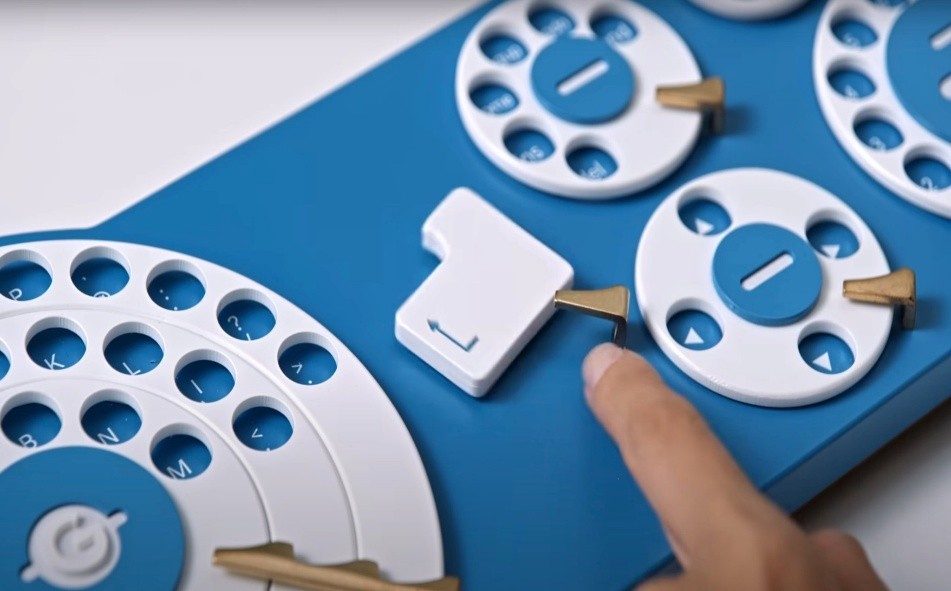
Figure 1. Google Reveals Mechanical Keyboard Modeled After Vintage Rotary Phone.
The keyboard sports nine uniquely shaped dials, each assigned to letters, numbers, or punctuation. At its center sits a single, oversized return key. To type, users place a finger in a dial hole, rotate to the desired “key,” and release—the dial springs back to its starting position. The process is repeated for each character, creating a tactile, if decidedly impractical, typing experience. Figure 1 shows Google Reveals Mechanical Keyboard Modeled After Vintage Rotary Phone.
Engineers behind the project note that each dial rotation delivers a tactile, mechanical response accompanied by a “gentle whirring sound,” replacing the familiar click of traditional keys. Technically, the keyboard converts the angle of each dial rotation into a USB signal. The setup also includes a companion mouse that automatically disables the user’s webcam when docked—a playful nod to the bygone practice of “hanging up” a rotary phone to end a call.
The rotary keyboard continues Google Japan’s streak of quirky, offbeat designs, created largely for amusement. Previous experiments include a cylindrical keyboard shaped like a Japanese teacup and a massive 65-inch keyboard with a QWERTY layout stretched across a single long strip.
However, the rotary model isn’t available for purchase. Google Japan has released the design files, allowing anyone with a 3D printer and some patience to build one themselves.
Beyond its novelty, the Gboard may offer an unexpected therapeutic benefit. “I used to slam the keys sometimes when I got frustrated,” one Google researcher said in a video. “But since I switched to this keyboard, people say I’ve smoothed out my rough edges.”
Nostalgia Reimagined
Explore the history of rotary phones and their iconic design. Explain how Google Japan drew inspiration from this mid-century classic to create a mechanical keyboard that brings the spinning dial into the digital age.
The Mechanics of Typing
Detail how the Gboard Dial Version works: the nine dials, the oversized central return key, and how each rotation translates into a USB signal. Highlight the tactile feedback and the “gentle whirring” sound that replaces conventional key clicks.
Innovative Features & Quirky Additions
Discuss the companion mouse that disables the webcam when docked—a playful nod to hanging up a call. Include other unique elements that make this keyboard more than just a typing device.
A Legacy of Experimental Keyboards
Showcase Google Japan’s history of unusual keyboard designs, including the teacup-shaped cylindrical keyboard and the 65-inch QWERTY strip. Emphasize that these creations are largely for fun and experimentation.
Therapeutic & DIY Appeal
Explain that the keyboard isn’t for sale but design files are available for DIY enthusiasts. Share anecdotes about the keyboard’s surprising therapeutic effect, like helping users type more gently and reduce frustration.
Source:New Scientist
Cite this article:
Priyadharshini S (2025), Google Unveils Keyboard Inspired by Classic Rotary Phones, Formal Language, AnaTechMaz, pp. 316
Recent Post
-
Google Unveils Keyboard Inspired by Classic Rotary Phones
Rotary phones, once a fixture in mid-century living rooms, faded into basements and.....
-
iOS 26 Introduces a New Way to Save Battery
Modern smartphones are becoming increasingly powerful, intelligent, and versatile.....
-
Why Does This Concept Phone Feature a Robot-Arm Camera?
When activated, the robotic arm raises the camera above the top of the phone and.....
-
How to Use Visual Intelligence on iPhone Running iOS 26
By now, most iPhone users have likely upgraded to iOS 26, and it’s a major update.....
-

ChatGPT: Everything About the AI Chatbot in One Place
Since its launch in November 2022, ChatGPT, OpenAI’s text-generating AI chatbot.....
-
Google’s Gemini 3 Model Keeps AI Excitement Riding High – For Now
Google’s newest chatbot, Gemini 3, has achieved notable improvements across multiple AI benchmark tests,....
-

Google DeepMind Co-Founder Warns: “The AI Industry is in a Bubble”
Speaking on the Hard Fork podcast with hosts Kevin Roose and....

Google Reverses Decision to Block Unverified Android Developers
Google’s August proposal would have required all Android developers to verify their identities starting next....

ChatGPT’s Voice Mode is Now Fully Integrated into the Main Interface
ChatGPT’s voice mode is becoming more convenient. On Tuesday, OpenAI announced an update to the ....
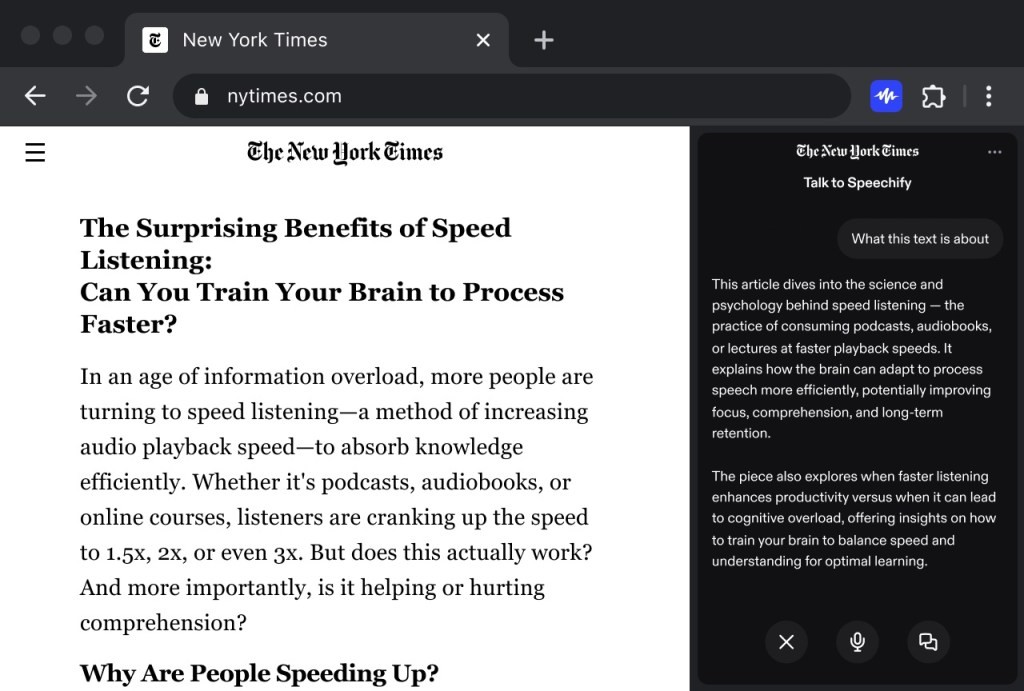
Speechify Brings Voice Typing and Assistant Features to its Chrome Extension
Speechify has primarily been a tool for listening to articles, PDFs,.....
-

Kick-Start Your Language-Learning Journey with Lifetime Access to Babbel
Now is the ideal moment to invest in yourself — and for many, that....
-
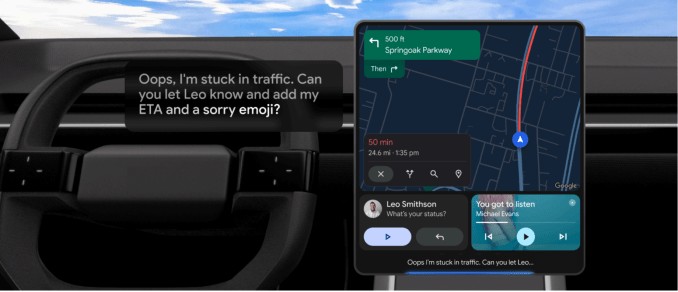
Android Auto Worldwide Now Getting Gemini Rollout
Google is rolling out Gemini to Android Auto, its smartphone projection system found in millions of cars, trucks,....
-

Meta to Roll Out Trial Premium Subscriptions Across Instagram, Facebook, and WhatsApp
Meta is preparing to test new subscription plans that offer...
-

How OpenAI and Google Expect AI to Transform Go-to-Market Strategies
For years, startups relied on traditional playbooks when launching....
-

WhatsApp Introduces New Feature Similar to Instagram Notes
WhatsApp is rolling out a feature similar to Instagram Notes, letting users post short text updates visible to....