

Weeks After Amazon's Alexa+ AI Launch, One Question Remains: Where Are the Users?
The rollout of Amazon's AI-enhanced Alexa+ is progressing slowly, with the service facing challenges such as delayed response times to certain prompts, according to three sources familiar with the matter who spoke to Reuters. Like other AI models, it sometimes produces inaccurate or fabricated information, and insiders noted that the system is also costly to run.
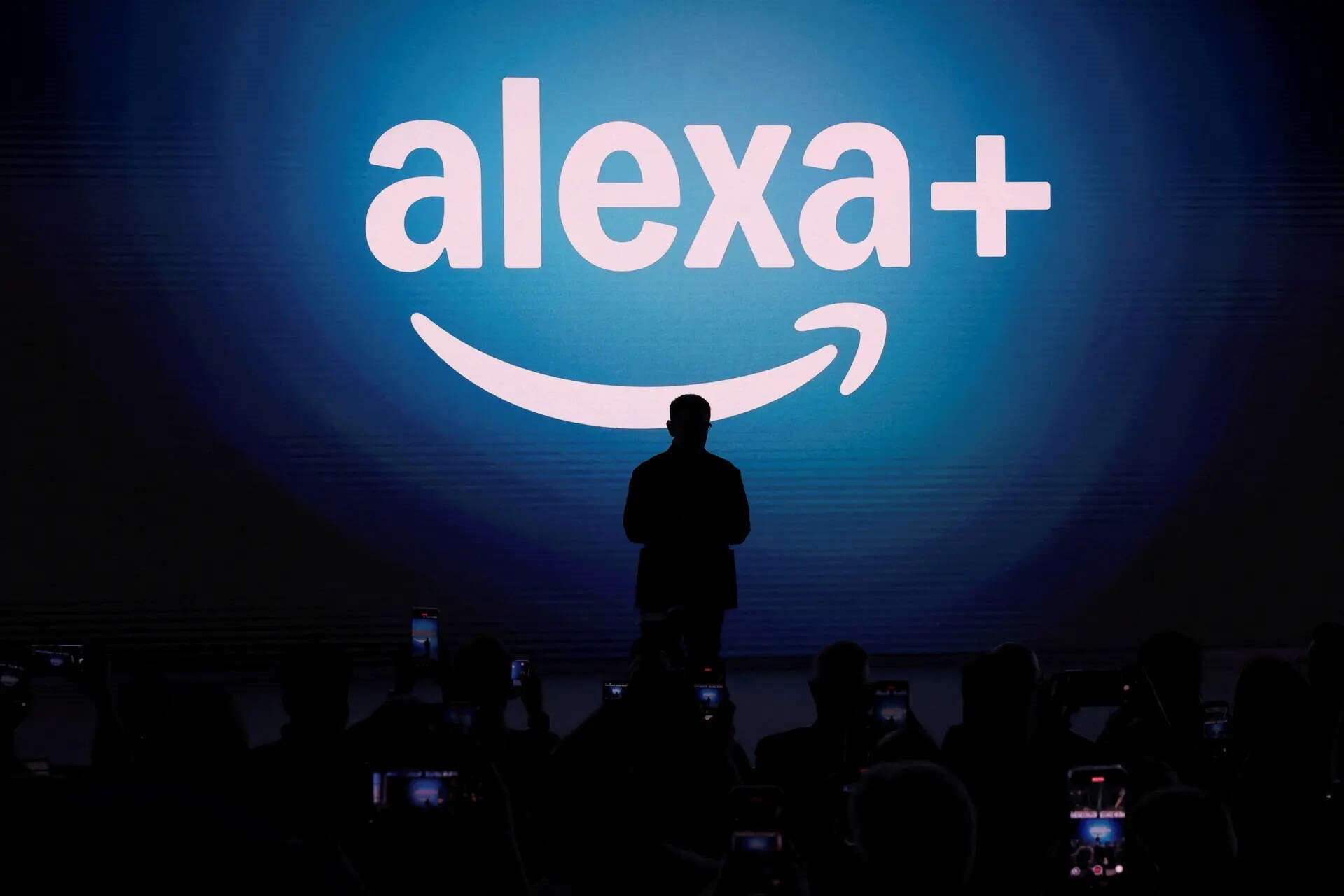
Figure 1. Amazon Alexa+ AI Launched Weeks Ago — But Where Are the Users?
More than six weeks after Amazon.com began rolling out its new generative AI-powered voice assistant, Alexa+, to hundreds of thousands of users, there is little indication that it has reached regular customers. Figure 1 shows Amazon Alexa+ AI Launched Weeks Ago — But Where Are the Users?
The launch was intended to mark a major milestone for Amazon, following multiple delays in updating Alexa to compete with modern AI chatbots like ChatGPT. Underscoring its importance, CEO Andy Jassy appeared at a February press event in New York, where the company demonstrated Alexa+ and announced that customer invites would begin in late March.
An analyst at Techsponential, who attended the Alexa+ announcement event, noted, "This fits a pattern we've seen with many companies—announcing products or services that are nearly ready, but not quite. That final stretch often proves much longer than anticipated."
In a largely fruitless attempt to find real-world users of Alexa+, Reuters combed through dozens of news outlets, YouTube, TikTok, X, BlueSky, Meta’s Instagram and Facebook, as well as Amazon’s own platforms like Twitch and Echo device reviews on Amazon.com. While two Reddit users claimed to have tried the service, they offered no concrete evidence, and Reuters was unable to verify their identities.
“Hundreds of thousands of customers now have access to Alexa+—of course, some are employees and their families, but the overwhelming majority are customers who requested early access,” an Amazon spokesperson said. This marks an increase from the approximately 100,000 users the company reported on May 1.
However, Amazon did not explain the lack of verifiable public reviews or user reactions and declined to provide any active Alexa+ users for interviews. The company also confirmed that nondisclosure agreements are not required for those granted access to the service.
Meanwhile, the rollout of Alexa+ has been sluggish, and the service has faced technical challenges. According to three sources familiar with the matter, Alexa+ has struggled with response speeds to certain prompts and, like many generative AI models, sometimes produces inaccurate or fabricated information. Additionally, the system is reportedly expensive to operate.
Primarily accessed through Amazon TVs and Echo devices, Alexa allows users to set timers, check the weather, and answer basic search queries through voice commands. While Apple's Siri launched three years before the original Alexa, it was Amazon’s assistant that truly accelerated mainstream adoption of voice-controlled technology.
The recent overhaul—culminating in the generative AI-powered Alexa+—aims to breathe new life into the decade-old platform and position Amazon more competitively alongside AI offerings from OpenAI, Meta, and others. Despite investing billions into Alexa since its 2014 debut, the service has remained unprofitable, and Amazon’s early hopes of widespread voice-driven shopping have largely failed to materialize.
Alexa+ is designed to handle multiple prompts in a row and act as an "agent" that can take actions on a user's behalf—unlike the current version, which typically responds to just one request at a time.
During Amazon’s first-quarter earnings call two weeks ago, CEO Andy Jassy stated that over 100,000 people were already using Alexa+ and claimed, “people are really liking Alexa+ thus far.”
However, some experts question Amazon’s strategy. Americus Reed, a marketing professor at the University of Pennsylvania’s Wharton School, criticized the gap between the product’s announcement and general availability. “Just lean on your curated YouTube or TikTok advocates and tell them what to talk about,” he said. “Instead, this makes it look like they are worried about something.”
Ben Bajarin of Techsponential also saw red flags in how the February announcement event was handled. Attendees, including Reuters, weren’t allowed hands-on access to Alexa+, and instead were directed into breakout sessions where product managers gave rehearsed demonstrations and answered limited questions. This stood in stark contrast to earlier Amazon launches. At the 2014 Fire Phone debut, attendees could try the device firsthand. Similarly, the original Echo device was made publicly available within weeks of its November 2014 announcement, with public user feedback emerging soon after.
The upgraded Alexa is intended to support more advanced use cases, such as giving shopping recommendations (like vacation outfit ideas), aggregating news, ordering food while remembering dietary preferences, and performing other personalized, multi-step tasks.
To showcase user engagement, Amazon cited an April TechRadar article that referenced an anonymous Reddit post from someone claiming to have tested Alexa+—though the identity of the user could not be confirmed.
Reference;
- https://cio.economictimes.indiatimes.com/news/corporate-news/weeks-after-amazons-alexa-ai-launch-a-mystery-where-are-the-users/121226623
Cite this article:
Priyadharshini S (2025), Weeks After Amazon's Alexa+ AI Launch, One Question Remains: Where Are the Users?, AnaTechMaz, pp. 250
Recent Post
-
Research Claims Facebook Is Still Experimenting on Users in Unusual Ways
The process of choosing which ads you see has long passed out of.....
-
Android Phones to Auto-Reboot Every Three Days for Security Purposes
It looks like Google has rolled out a security feature in Android......
-

Chatgpt-4.5 Surpasses the Turing Test Threshold
In 1950, Alan Turing introduced an elegant yet profoundly......
-

Experts Warn: Your DNA May Be Vulnerable to Hacking
The NGS (Next-Generation Sequencing) workflow is a complex series.....
-
Apple Introduces Emergency Satellite Features to iPhone 13 With iOS 18.5
Apple released iOS 18.5 on Monday, bringing emergency satellite......
-
What To Expect at Google I/O 2025: Updates on Gemini and Android 16
Google I/O, the tech giant's most anticipated developer......
-
Google Introduces Its New Android Design Language, Material 3 Expressive
Google revealed its new Android design language, Material 3......
Viral Outrage Over Apple’s EU Payment Alerts Overlooks Crucial Detail
Apple has responded to recent viral claims about new warning labels appearing......
OpenAI Releases AI Software Development Agent Codex in ChatGPT
Artificial intelligence is revolutionizing software development by......
Weeks After Amazon's Alexa+ AI Launch, One Question Remains: Where Are the Users?
The rollout of Amazon's AI-enhanced Alexa+ is progressing slowly......
-
Microsoft's NLWeb Project Aims to Integrate More Chatbots into Websites
As part of its push to streamline the creation of AI-powered......
-
Sonund-Tracking Headphones Enable Eavesdropping in Multiple Languages
As an American living in Portugal and casually studying the......
-
Stitch Is Google's AI-Driven Tool for App Design Assistance
At the 2025 Google I/O developer conference, Google introduced......
-

At the 2025 Google I/O developer conference, Google introduced Stitch
Give your old PC a new lease on life with a fresh OS......
-

A Social Media Disclaimer Won’t Prevent AI From Using Your Data
In an attempt to stop their data from being used to train AI, some......