

Google Introduces Its New Android Design Language, Material 3 Expressive
Google revealed its new Android design language, Material 3 Expressive, at the Android Show on Tuesday, ahead of Google I/O. The update aims to enhance customization and fluidity, making your phone feel more interactive and responsive.
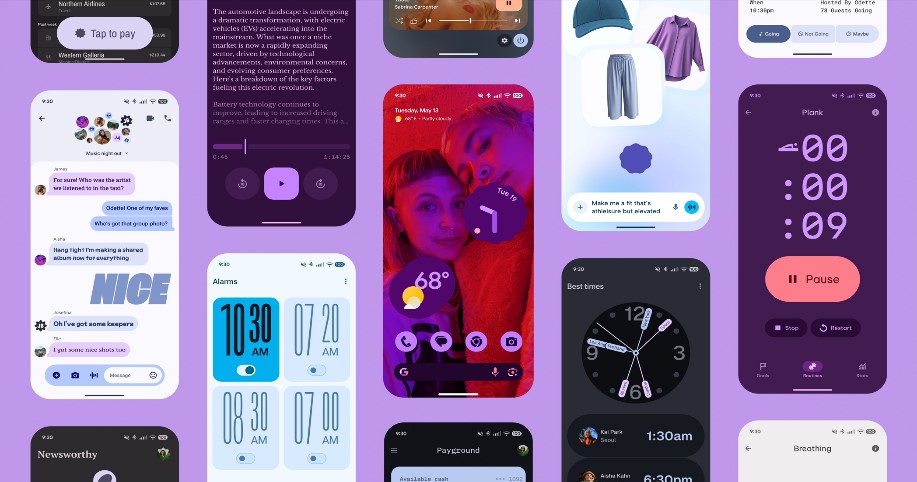
Figure 1. Google Unveils Material 3 Expressive: The New Android Design Language.
Material 3 Expressive introduces springy animations that add a sense of fluidity to your device. For example, dismissing a notification triggers a detaching transition accompanied by a haptic rumble. Similar animations and haptics are applied when dismissing apps from the recent apps screen, adjusting the volume slider, or pulling down the notification shade. Figure 1 shows Google Unveils Material 3 Expressive: The New Android Design Language. Figure 1 shows Google Unveils Material 3 Expressive: The New Android Design Language.
Additionally, the update subtly blurs the background to provide a sense of depth, helping you stay grounded in the context of your navigation.
"In 2021, we launched Material You, focusing on personalizing the experience with dynamic color theming," said Mindy Brooks, VP of Product and UX for Android Platform. "Now, we're building on the principles of Material You with Material 3 Expressive—an evolution that introduces new components and capabilities designed to bring more emotion to the UI, making it more engaging, easier to use, and adding a little extra joy to key moments."
Android is also introducing updated dynamic color themes and enhanced typography, allowing users to tailor their phone’s appearance to their personal style and preferences. These visual customizations will extend across Google apps like Google Photos and Gmail.
Additionally, Quick Settings is now customizable, letting you add your favorite actions, such as Flashlight and Do Not Disturb, for easier access.
The new Live Updates feature will help you track real-time progress from select apps. For example, when placing an Uber Eats order, you'll receive glanceable Live Updates to monitor your order's status. This feature is similar to iOS's Live Activities, offering seamless progress tracking for a more engaging user experience.
“We’re introducing Live Updates as a new feature that will highlight what you need to know, so you can stay focused on what matters most,” said Brooks. “We’ve all been in that situation—placed an order and trying to engage in conversation at the table. With glanceable live updates, you can easily track your order and get back to real life. These real-time updates from your favorite delivery, ride-share, and navigation apps will be available as part of the redesign later this year.”
All of these design enhancements will first roll out to Pixel devices later this year with the release of Android 16.
For Wear OS watches, Material 3 Expressive brings a more fluid design with scrolling animations that follow the circular display. Similar to phones, this new design language introduces a sense of depth to enhance the experience.
Google is also improving daily interactions, like using the pin pad and controlling media, with motion and responsive feedback. Expect smoother transitions and dynamic color-theming on the watch, allowing the theme you choose for your watch face to apply across the system.
“We are excited to announce that we are bringing color theming to the watch,” Brooks said. “Now, the theme you choose for your watch face can extend to the entire system in Google Apps, giving you the ability to personalize it. Glanceability is key when it comes to getting things done, so we've designed a system of buttons that hug the display, making them more tappable and space-efficient with an underlying polar grid.”
Tiles are also becoming more engaging, offering quick access to information and actions like texting your favorite contacts or starting a workout.
These updates will first be available on the Pixel Watch later this year with the release of Wear OS 6.
Source: TC
Cite this article:
Priyadharshini S (2025), Google Introduces Its New Android Design Language, Material 3 Expressive, AnaTechMaz, pp. 247
Recent Post
-
Research Claims Facebook Is Still Experimenting on Users in Unusual Ways
The process of choosing which ads you see has long passed out of.....
-

Android Phones to Auto-Reboot Every Three Days for Security Purposes
It looks like Google has rolled out a security feature in Android......
-

Chatgpt-4.5 Surpasses the Turing Test Threshold
In 1950, Alan Turing introduced an elegant yet profoundly......
-

Experts Warn: Your DNA May Be Vulnerable to Hacking
The NGS (Next-Generation Sequencing) workflow is a complex series.....
-
Apple Introduces Emergency Satellite Features to iPhone 13 With iOS 18.5
Apple released iOS 18.5 on Monday, bringing emergency satellite......
-
What To Expect at Google I/O 2025: Updates on Gemini and Android 16
Google I/O, the tech giant's most anticipated developer......
-
Google Introduces Its New Android Design Language, Material 3 Expressive
Google revealed its new Android design language, Material 3......
Viral Outrage Over Apple’s EU Payment Alerts Overlooks Crucial Detail
Apple has responded to recent viral claims about new warning labels appearing......
OpenAI Releases AI Software Development Agent Codex in ChatGPT
Artificial intelligence is revolutionizing software development by......

Weeks After Amazon's Alexa+ AI Launch, One Question Remains: Where Are the Users?
The rollout of Amazon's AI-enhanced Alexa+ is progressing slowly......
-
Microsoft's NLWeb Project Aims to Integrate More Chatbots into Websites
As part of its push to streamline the creation of AI-powered......
-

Sonund-Tracking Headphones Enable Eavesdropping in Multiple Languages
As an American living in Portugal and casually studying the......
-
Stitch Is Google's AI-Driven Tool for App Design Assistance
At the 2025 Google I/O developer conference, Google introduced......
-

At the 2025 Google I/O developer conference, Google introduced Stitch
Give your old PC a new lease on life with a fresh OS......
-

A Social Media Disclaimer Won’t Prevent AI From Using Your Data
In an attempt to stop their data from being used to train AI, some......