

Research Claims Facebook Is Still Experimenting on Users in Unusual Ways
The process of choosing which ads you see has long passed out of human hands, shifting to algorithms designed to maximize clicks and sales. This shift raises significant concerns, according to a recent study published in the International Journal of Research in Marketing.
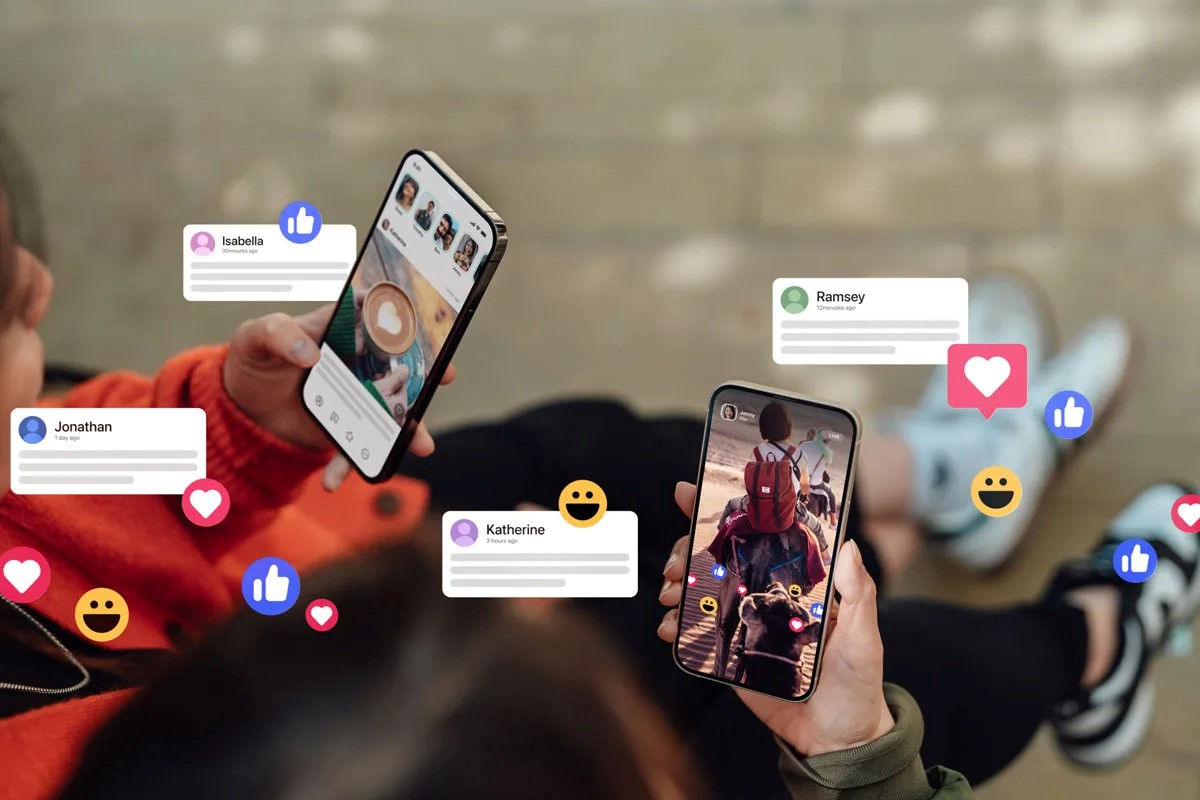
Figure 1. Study Reveals Facebook Continues to Experiment on Users in Unconventional Ways.
The study highlights a specific form of experimentation used by platforms like Facebook and Google—A/B testing. Figure 1 shows Study Reveals Facebook Continues to Experiment on Users in Unconventional Ways.
“A/B testing is an experiment where you create two or more groups of participants and study their reactions to a stimulus,” explained Dr. Yann Cornil, an associate professor at the UBC Sauder School of Business and co-author of the paper, in an interview with BBC Science Focus.
In marketing, the “stimulus” often refers to different versions of an advertisement. One group might see Ad A, while another sees Ad B, with market researchers then measuring the response to determine which version performs better.
A/B Testing Gone Wrong
“For an A/B test to be useful, the groups shown different versions need to be randomly assigned,” explained Cornil. “This is critical because without random assignment, you can’t establish causality. You can’t claim that version A works better than version B if the groups being compared are fundamentally different.”
However, this is not how Facebook, Google, and likely other sites conduct their tests. Instead of random assignment, their algorithms actively choose who sees what—selecting individuals based on predictions of who will engage with the ad the most.
As a result, advertisers aren’t gaining true insights into what makes an ad effective. Instead, they’re simply seeing what works best with the algorithm’s choices.
“If you have an ad that’s performing exceptionally well and getting a lot more clicks, it could simply be that Facebook identified a small, specific group of people who really like it,” Hardisty explained in a statement. “If you then adjust your entire product line or campaign based on that, it could actually alienate the majority. So, it’s crucial not to draw broad conclusions from a single Facebook test.”
This creates a problem not only for advertisers trying to figure out what truly works but also for the rest of us, as the impact of these skewed results is far-reaching.
When Algorithms Decide Who Sees What
As researchers like Hardisty point out, the lack of understanding about how algorithms function can lead to serious unintended consequences.
For example, a 2018 study revealed that supposedly gender-neutral job ads for STEM (Science, Technology, Engineering, and Math) roles were being shown to men more frequently than to women.
Why? Because the algorithm prioritized cost-efficiency. Young women, who are statistically more likely to engage with ads, were also more expensive to target. To cut costs, the algorithm quietly excluded them, unintentionally reinforcing gender bias in the process.
What Does This Mean for You?
“The first thing to understand,” Cornil suggests, “is that when you’re online, you’re constantly being experimented on.”
These experiments aren’t inherently bad—similar techniques have been used for years to study human behavior, and data collected this way can be more reliable since participants aren’t aware they’re part of an experiment.
However, the key difference now is that these experiments are run by opaque, ever-changing algorithms that control what you see and when you see it.
“The second thing,” Cornil added, “is to be aware that these algorithms have already decided you’ll be exposed to a specific message.”
Source: Science Focus
Cite this article:
Priyadharshini S (2025), Research Claims Facebook Is Still Experimenting on Users in Unusual Ways, AnaTechMaz, pp. 241
Recent Post
-
Research Claims Facebook Is Still Experimenting on Users in Unusual Ways
The process of choosing which ads you see has long passed out of.....
-

Android Phones to Auto-Reboot Every Three Days for Security Purposes
It looks like Google has rolled out a security feature in Android......
-

Chatgpt-4.5 Surpasses the Turing Test Threshold
In 1950, Alan Turing introduced an elegant yet profoundly......
-

Experts Warn: Your DNA May Be Vulnerable to Hacking
The NGS (Next-Generation Sequencing) workflow is a complex series.....
-

Apple Introduces Emergency Satellite Features to iPhone 13 With iOS 18.5
Apple released iOS 18.5 on Monday, bringing emergency satellite......
-

What To Expect at Google I/O 2025: Updates on Gemini and Android 16
Google I/O, the tech giant's most anticipated developer......
-
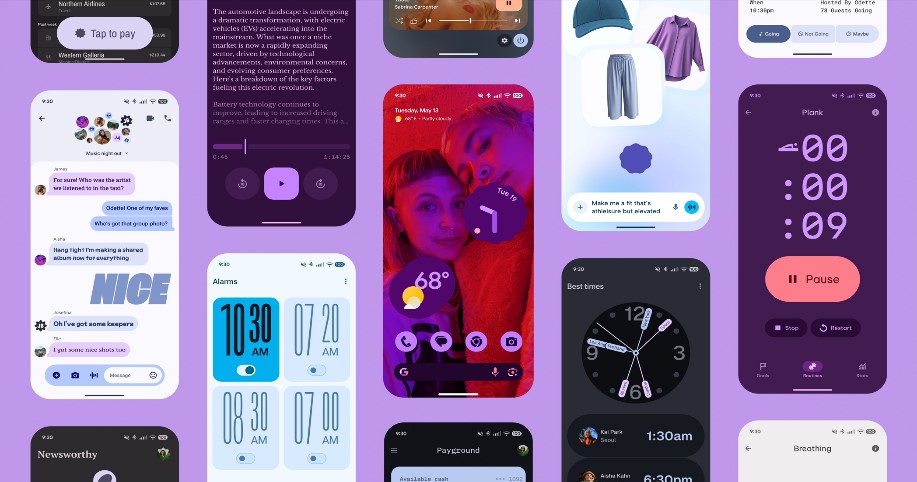
Google Introduces Its New Android Design Language, Material 3 Expressive
Google revealed its new Android design language, Material 3......

Viral Outrage Over Apple’s EU Payment Alerts Overlooks Crucial Detail
Apple has responded to recent viral claims about new warning labels appearing......

OpenAI Releases AI Software Development Agent Codex in ChatGPT
Artificial intelligence is revolutionizing software development by......

Weeks After Amazon's Alexa+ AI Launch, One Question Remains: Where Are the Users?
The rollout of Amazon's AI-enhanced Alexa+ is progressing slowly......
-
Microsoft's NLWeb Project Aims to Integrate More Chatbots into Websites
As part of its push to streamline the creation of AI-powered......
-

Sonund-Tracking Headphones Enable Eavesdropping in Multiple Languages
As an American living in Portugal and casually studying the......
-
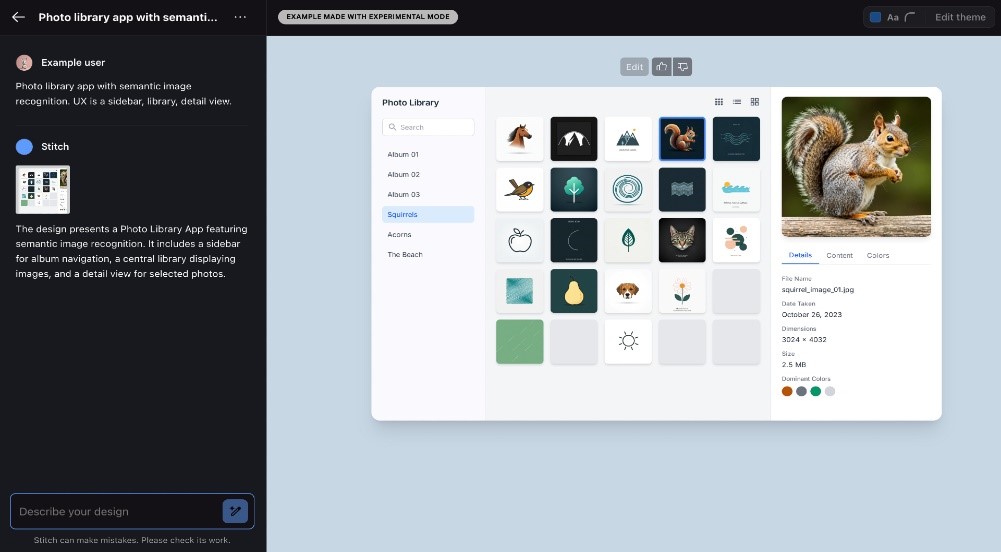
Stitch Is Google's AI-Driven Tool for App Design Assistance
At the 2025 Google I/O developer conference, Google introduced......
-

At the 2025 Google I/O developer conference, Google introduced Stitch
Give your old PC a new lease on life with a fresh OS......
-

A Social Media Disclaimer Won’t Prevent AI From Using Your Data
In an attempt to stop their data from being used to train AI, some......