

UBC's Accidental Discovery Unveils Nxylon: The Darkest Wood Ever Created
Researchers at the University of British Columbia have stumbled upon a groundbreaking super-black material with a range of exciting potential uses, from fine jewelry to solar cells and precision optical devices.
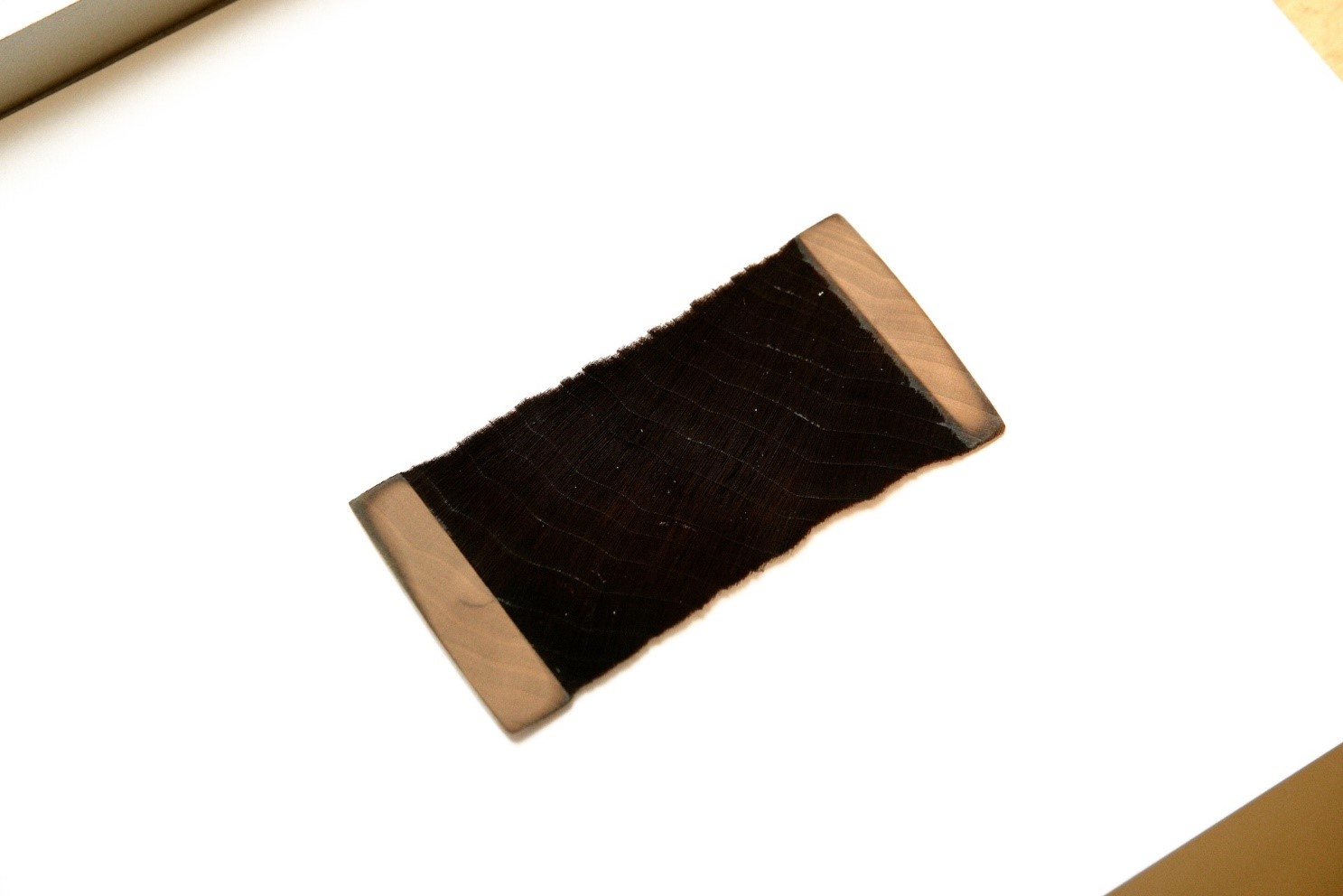
Figure 1. Nxylon. (Credit: UBC Forestry/Ally Penders)
Professor Philip Evans and PhD student Kenny Cheng [1] were initially working with high-energy plasma to enhance the water resistance of wood. However, they noticed something extraordinary when they applied this technique to the cut ends of wood cells: the surfaces turned an extremely deep black. Figure 1 shows Nxylon.
Tests conducted by the physics and astronomy department at Texas A&M University confirmed that this material reflected less than one percent of visible light, absorbing nearly all the light it encountered. Rather than dismissing this unplanned discovery, the researchers decided to focus on developing super-black materials, marking a new approach in the quest for the darkest substances on Earth.
“Ultra-black or super-black material can absorb more than 99 per cent of the light that strikes it – significantly more so than normal black paint, which absorbs about 97.5 per cent of light,” explained Dr. Evans [2], a professor in the faculty of forestry and BC Leadership Chair in Advanced Forest Products Manufacturing Technology.
Super-black materials are increasingly in demand in fields such as astronomy, where ultra-black coatings reduce stray light and enhance image clarity. They also boost the efficiency of solar cells and are used in creating art pieces and luxury consumer items like watches.
The researchers have introduced prototype commercial products using their super-black wood, initially targeting watches and jewelry, with plans to explore further applications in the future.
The team has named their innovation Nxylon (niks-uh-lon), a fusion of Nyx, the Greek goddess of the night, and xylon, the Greek word for wood.
Interestingly, Nxylon maintains its ultra-black appearance even when coated with alloys, such as gold, making it suitable for use with electron microscopes. This is due to Nxylon’s structural properties, which trap light rather than relying on black pigments.
The UBC team has demonstrated that Nxylon can replace costly and rare black woods like ebony and rosewood in watch faces and can serve as an alternative to the black gemstone onyx in jewelry.
“Nxylon’s composition combines the benefits of natural materials with unique structural features, making it lightweight, stiff and easy to cut into intricate shapes,” said Dr. Evans.
Nxylon is made from basswood, a widely available North American tree prized for its use in carving, boxes, shutters, and musical instruments. It can also be produced from European lime wood.
Dr. Evans and his team are setting up a startup, Nxylon Corporation of Canada, to scale up Nxylon’s applications in collaboration with jewelers, artists, and tech product designers. They also plan to develop a commercial-scale plasma reactor for producing larger samples of this super-black wood, which could be used for non-reflective ceiling and wall tiles.
“Nxylon can be made from sustainable and renewable materials widely found in North America and Europe, leading to new applications for wood. The wood industry in B.C. is often seen as a sunset industry focused on commodity products—our research demonstrates its great untapped potential,” said Dr. Evans.
Other researchers contributing to this work include Vickie Ma, Dengcheng Feng, and Sara Xu from UBC’s faculty of forestry; Luke Schmidt from Texas A&M; and Mick Turner from The Australian National University.
Source: University of British Columbia
References:
- https://www.eurekalert.org/news-releases/1053100
- https://solondais.fr/2024/07/31/news253992/newly-created-super-black-wood-could-improve-telescopes-optical-devices-and-consumer-goods/
Cite this article:
Hana M (2024), UBC's Accidental Discovery Unveils Nxylon: The Darkest Wood Ever Created, AnaTechMaz, pp. 33
Recent Post
-
Revolutionizing Bacterial Cellulose Production: A Milestone in Sustainable Materials Science
Bacteria produce materials of interest to humans, such as cellulose, silk, and ...
-
Terasaki Institute Develops Egg White-Derived Bioink for Advanced Tissue Engineering
Scientists at the Terasaki Institute have developed an innovative technology...
-
UBC's Accidental Discovery Unveils Nxylon: The Darkest Wood Ever Created
Researchers at the University of British Columbia have stumbled upon ...
-
Scientists Develop Extraordinary Material That Can Transform Sunlight and Water into Clean Energy
Researchers at Oregon State University have developed a groundbreaking...
-
World's Fastest Supercomputer Derives Recipe for Otherworldly Diamond
BC8 super diamonds, which are harder than any known material, are believed...
-

Natural Graphene Has Been Discovered on The Moon
In December 2020, the Chang'e 5 mission landed on the Moon, collected a ...
-
Machine Learning Unveils Next-Gen Membrane Materials
Chemical separation, including gas separation, plays a crucial role in ...
-
University of Virginia Engineers Harness Plant-Based Nanomaterial for Stronger, Greener Buildings
A pioneering research team from the University of Virginia School of Engineering...
-

New Substrate Material for Flexible Electronics Could Aid in Reducing E-Waste
Electronic waste is an increasing issue, but this degradable material could...
-
A Novel Method for Optimizing Quantum Materials
An MIT-led team demonstrates how to precisely control the properties of Weyl ...
-
Graphene, A Wonder Material, Has Been Discovered in Lunar Soil Samples from A Chinese Moon Mission
This graphene, composed of several thin layers, may have formed billions of years ...
-

Revolutionizing Battery Efficiency: Helical Peptide Polymers Outshine Traditional Electrolytes
For decades, solid-state electrolytes have been a focal point in the quest for...
-
UCLA Researchers Develop Scalable Method to Regulate Building Temperatures Year-Round
As global temperatures continue to rise, the demand for sustainable cooling solutions...
-
UCLA Engineers Develop Revolutionary Dynamic Material Inspired by Push Puppet Toys
A team of engineers at UCLA has created an innovative type of tunable dynamic...
-
Unlocking the Future of Lithium-Metal Batteries: A Breakthrough in Predicting Battery Lifespan
In the rapidly advancing world of battery technology, predicting battery life ...