

Terasaki Institute Develops Egg White-Derived Bioink for Advanced Tissue Engineering
Scientists at the Terasaki Institute have developed an innovative technology inspired by nature by creating a novel bioink from egg whites, called Egg White methacryloyl (EWMA). Bioinks are primarily used in 3D bioprinting to produce artificial tissues, composed of natural or synthetic materials that support living cells by aiding in their adhesion, growth, and differentiation. These bioinks are vital for developing complex tissue structures utilized in medical research, drug testing, and organ transplantation. The new EWMA bioink represents a promising addition to this field, offering a unique set of properties that address many challenges in tissue engineering.
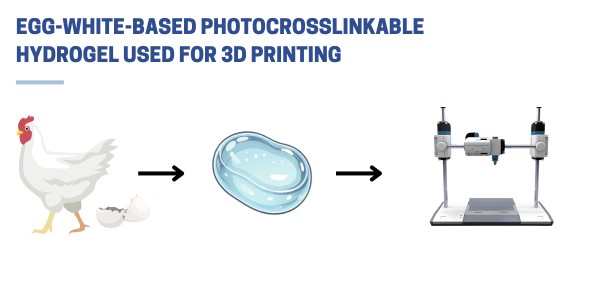
Figure 1. The Proposed Method. (Credit: Terasaki Institute)
The team achieved this by modifying egg whites through methacryloyl modification to create a photocrosslinkable bioink. This EWMA bioink provides several benefits for bioprinting applications. It contains abundant proteins, creating a nutrient-rich environment conducive to cell growth. The bioink also demonstrates excellent biocompatibility and bioactivity, which are essential for successful tissue engineering. Figure 1 shows egg-white-based photocrosslinkable hydrogel used for 3D printing [2].
One of the notable properties of the EWMA bioink is its flexibility, allowing researchers to adjust the material's characteristics to meet the specific requirements of multi-tissue structures that closely resemble natural biological systems. Additionally, EWMA bioinks possess intrinsic antiviral and antibacterial properties, offering an extra layer of protection against potential infections—a significant advantage in medical applications.
The implications of this study extend well beyond the laboratory. EWMA bioinks could potentially be used to create more accurate tissue models for drug testing, reducing the dependence on animal trials. In the long term, this technology could contribute to the development of functional tissue replacements for regenerative medicine applications. Dr. Ali Khademhosseini, CEO at TIBI and a renowned expert in bioengineering, remarked: "This innovative approach to creating bioinks from egg whites demonstrates the immense potential of bio-inspired materials in tissue engineering. By harnessing readily available natural resources and enhancing them through clever chemical modifications, we're opening new avenues for personalized regenerative medicine. Such breakthroughs are crucial in our quest to develop more effective and accessible solutions for organ failure, cardiovascular disease, and cancer treatments." [1]
As research progresses, further improvements and applications for EWMA bioink are anticipated. This breakthrough highlights the innovative spirit in tissue engineering and the potential of bio-inspired materials to address complex medical challenges. The development of EWMA bioink signifies a major step towards more effective and versatile bioprinting techniques. As scientists continue to explore and expand this technology, we may be on the verge of a new era in tissue engineering and regenerative medicine.
Source: Terasaki Institute
References:
- https://phys.org/news/2024-07-scientists-revolutionary-egg-white-based.html
- https://www.eurekalert.org/news-releases/1052933
Cite this article:
Hana M (2024), Terasaki Institute Develops Egg White-Derived Bioink for Advanced Tissue Engineering, AnaTechMaz, pp. 32
Recent Post
-
Revolutionizing Bacterial Cellulose Production: A Milestone in Sustainable Materials Science
Bacteria produce materials of interest to humans, such as cellulose, silk, and ...
-
Terasaki Institute Develops Egg White-Derived Bioink for Advanced Tissue Engineering
Scientists at the Terasaki Institute have developed an innovative technology...
-
UBC's Accidental Discovery Unveils Nxylon: The Darkest Wood Ever Created
Researchers at the University of British Columbia have stumbled upon ...
-

Scientists Develop Extraordinary Material That Can Transform Sunlight and Water into Clean Energy
Researchers at Oregon State University have developed a groundbreaking...
-

World's Fastest Supercomputer Derives Recipe for Otherworldly Diamond
BC8 super diamonds, which are harder than any known material, are believed...
-

Natural Graphene Has Been Discovered on The Moon
In December 2020, the Chang'e 5 mission landed on the Moon, collected a ...
-
Machine Learning Unveils Next-Gen Membrane Materials
Chemical separation, including gas separation, plays a crucial role in ...
-
University of Virginia Engineers Harness Plant-Based Nanomaterial for Stronger, Greener Buildings
A pioneering research team from the University of Virginia School of Engineering...
-

New Substrate Material for Flexible Electronics Could Aid in Reducing E-Waste
Electronic waste is an increasing issue, but this degradable material could...
-
A Novel Method for Optimizing Quantum Materials
An MIT-led team demonstrates how to precisely control the properties of Weyl ...
-
Graphene, A Wonder Material, Has Been Discovered in Lunar Soil Samples from A Chinese Moon Mission
This graphene, composed of several thin layers, may have formed billions of years ...
-
Revolutionizing Battery Efficiency: Helical Peptide Polymers Outshine Traditional Electrolytes
For decades, solid-state electrolytes have been a focal point in the quest for...
-

UCLA Researchers Develop Scalable Method to Regulate Building Temperatures Year-Round
As global temperatures continue to rise, the demand for sustainable cooling solutions...
-
UCLA Engineers Develop Revolutionary Dynamic Material Inspired by Push Puppet Toys
A team of engineers at UCLA has created an innovative type of tunable dynamic...
-
Unlocking the Future of Lithium-Metal Batteries: A Breakthrough in Predicting Battery Lifespan
In the rapidly advancing world of battery technology, predicting battery life ...