

Audi India Broadens Electric Vehicle Charging Network
Audi India Expands EV Charging Network with Over 6,500 Charging Points Nationwide
Audi India has significantly expanded its electric vehicle charging infrastructure by completing Phase II of its ‘Charge My Audi’ initiative. With the addition of more than 5,500 new charging points and 16 new infrastructure partners, the network now exceeds 6,500 chargers across the country. This pioneering effort in the luxury EV segment underlines Audi’s commitment to enhancing the EV ownership experience and enabling long-distance travel across India.
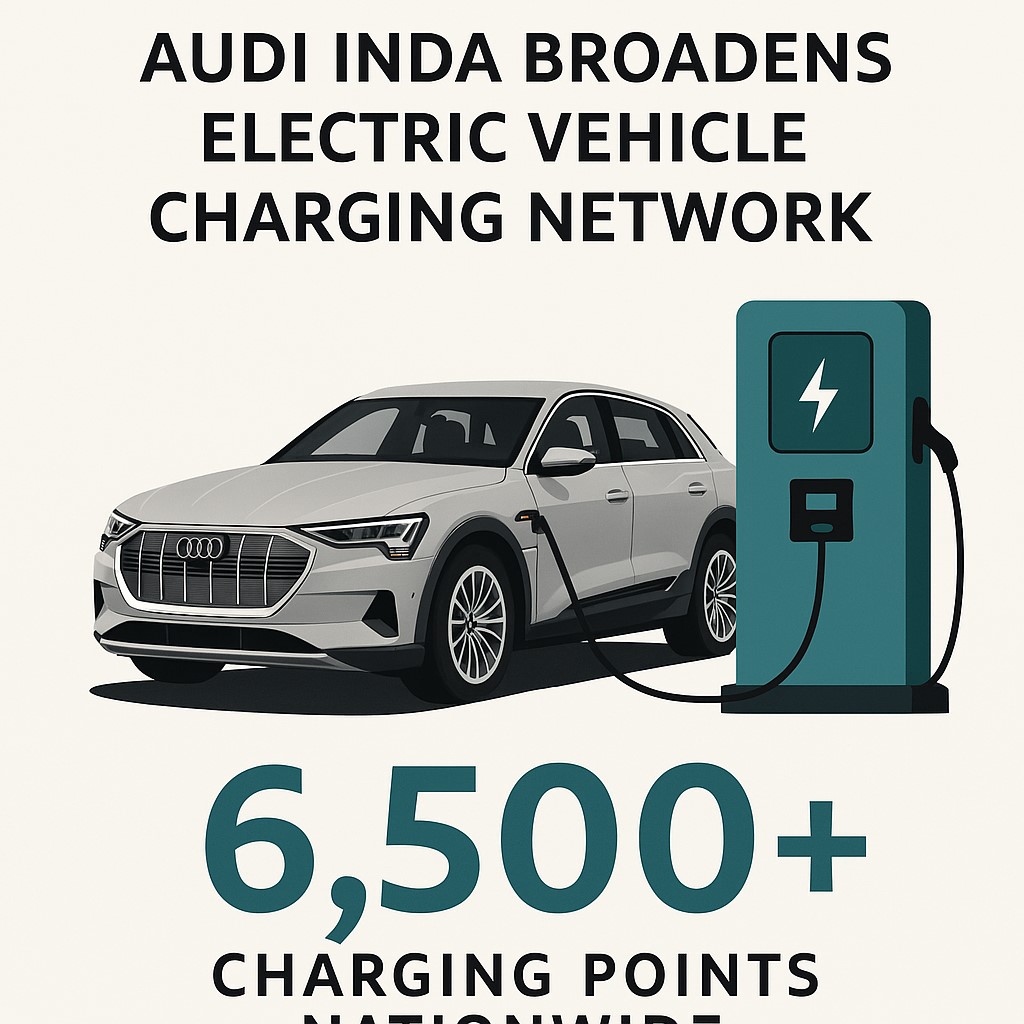
Figure 1. Audi India Expands Nationwide EV Charging Network.
The charging network now spans over 4,700 locations in more than 850 cities, covering all 28 states and union territories. According to Audi, over 75% of the new locations are equipped with DC fast chargers, essential for reducing charging times and boosting user confidence in EVs. These chargers have been strategically placed along highways, in city centers, and in commercial areas to support both daily use and road trips for Audi e-tron owners. Figure 1 shows Audi India Expands Nationwide EV Charging Network.
A key feature of the initiative is its integration with the ‘myAudi Connect’ app, offering real-time updates on charger availability, route planning, and remote-control functions such as start and stop. The system is powered by the eMobility Service Provider (eMSP) platform from Numocity Technologies, providing a seamless digital experience across a wide public charging network.
Audi's partner network now includes major names like Shell India, Adani Total Energies E-Mobility, Charge Zone, Statiq, Gentari, and several regionally active providers. Additionally, Audi India has extended complimentary charging for e-tron customers across its partner network until the end of December 2025 — a move likely to enhance customer satisfaction, despite potential long-term cost challenges.
Balbir Singh Dhillon, Head of Audi India, emphasized the importance of strategic collaborations in accelerating EV adoption and hinted at further developments in Audi’s EV ecosystem.
A Big Step Forward in Charging Infrastructure
Audi India has successfully completed Phase II of its ‘Charge My Audi’ initiative, marking a major milestone in EV infrastructure expansion. With over 6,500 charging points now active across the country, the initiative reflects Audi’s continued leadership in the luxury EV segment and its vision for a sustainable driving future in India.
Nationwide Reach and Fast Charging
Audi’s EV charging network now covers over 4,700 locations in 850+ cities, including all 28 states and union territories. More than 75% of these locations feature DC fast chargers, strategically placed on highways, city centers, and commercial zones—making long-distance and daily EV use far more practical and convenient.
Smart Tech Behind the Network
A standout feature of the charging network is its integration with the ‘myAudi Connect’ app, which offers real-time charger availability, route planning, and remote-control options. Powered by Numocity’s eMSP platform, the app delivers a unified digital experience across diverse public charging partners.
Partnerships Driving the Mission
To support this expansion, Audi India has onboarded 16 new infrastructure partners, including major players like Shell India, Adani Total Energies E-Mobility, Statiq, Charge Zone, and Gentari. These strategic collaborations ensure wider access and scalability of EV charging options across the country.
Free Charging Offer Extended to 2025
To boost customer satisfaction and encourage EV adoption, Audi India has extended its complimentary charging offer for e-tron customers until December 2025. While this move sweetens the ownership experience, its long-term sustainability remains a balancing act amid growing EV infrastructure costs.
Reference:
- https://www.mobilityoutlook.com/news/audi-india-expands-ev-charging-network/
Cite this article:
Priyadharshini S (2025), Audi India Broadens Electric Vehicle Charging Network, AnaTechMaz, pp. 159
Recent Post
-
Lynk and Turkcell Conduct Tests for Satellite-Based Direct-To-Device Connectivity
Satellite company Lynk Global announced the successful demonstration of .....
-

ZTE Advances AI Integration In 5G-A Core Networks
As artificial intelligence (AI) continues to advance, its impact on the.....
-

Fortinet Strengthens OT Network Security Platform
Fortinet has enhanced its OT Security Platform to help.....
-

Cato Networks Introduces Next-Generation Firewall
The SASE provider claims its NGFW enhances security by.....
-

Jio Partners With AMD, Cisco, and Nokia to Develop AI-Powered Telecom Platform
The initiative, spearheaded by Jio Platforms Limited.....
-
Alcatel-Lucent Enterprise Introduces Private 5G Solution for IoT and Industrial Networks
Alcatel-Lucent Enterprise (ALE) has teamed up with Celona to deliver a comprehensive private.....
-

Build These Marble Runs and Connect Them to Your Smart Home Via Wi-Fi
Marblelous is currently available through a Kickstarter crowdfunding campaign .....
-

NetBox Labs Embraces the Fusion of Network Management And AI
Over the past several years, NetBox has become a widely adopted open-source .....
-
Audi India Broadens Electric Vehicle Charging Network
Audi India has significantly expanded its electric vehicle .....
-

Alcatel-Lucent Enterprise Aims at IoT and Industrial Networks with Private 5G Solution
Alcatel-Lucent Enterprise (ALE) has teamed up with Celona to deliver .....
-

Act Fibernet's Zippy AI Aims to Make Your Home Wi-Fi Smarter: Here's How
If I had a rupee for every time I heard or said, "the Wi-Fi's acting up.....
-

Intel Reportedly Considering Sale of Its Networking and Edge Division
Intel CEO Lip-Bu Tan is continuing efforts to realign the company .....
-

IP Fabric Integrates Advanced Firewall Discovery into Its Network Assurance Platform
IP Fabric 7.2 launches firewall filtering simulation, transparent firewall.....
-

DriveNets Expands AI Networking Fabric to Support Multi-Site Distributed GPU Clusters
DriveNets upgrades its Network Cloud-AI platform with multi-tenancy.....
-

AWS Ends Private 5G Offering, Leaves Market to Telecom Giants and Industry Leaders
Despite early promises of private 5G delivering significant .....