

Google Pilots a Vibe–Coding App Called Opal
AI-powered coding tools have surged in popularity in recent months, prompting nearly every major tech company to either adopt one or develop its own. Developers behind these so-called “vibe-coding” tools are currently in high demand, with startups like Lovable and Cursor fending off eager investors and potential acquirers looking to capitalize on the trend.
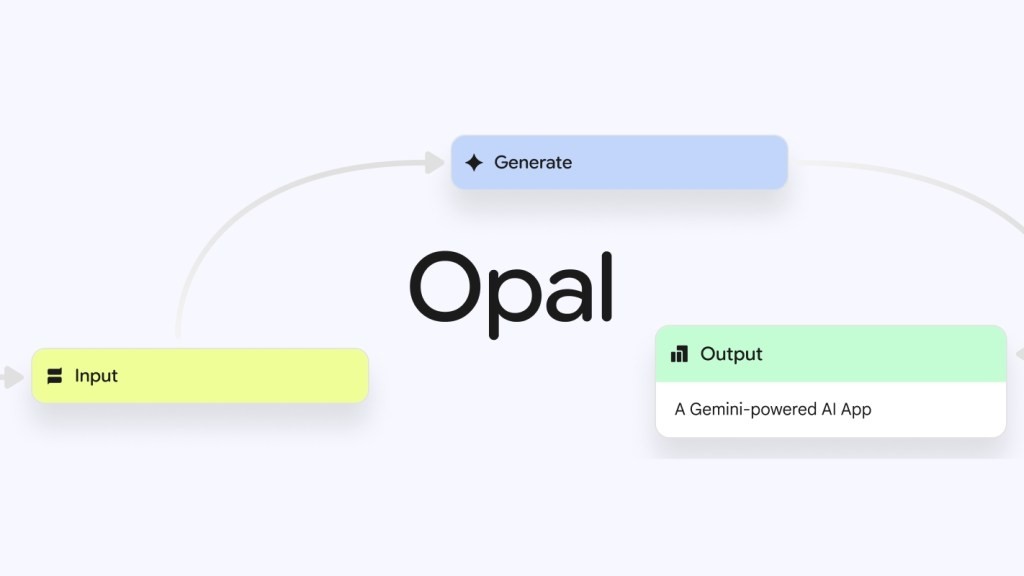
Figure 1. Google Tests New App ‘Opal’ That Turns Vibes into Code.
Google is the latest to join the wave, currently testing a vibe-coding tool called Opal. It's available in the U.S. through Google Labs, the company's experimental platform for emerging technologies. Figure 1 shows Google Tests New App ‘Opal’ That Turns Vibes into Code.
Opal allows users to build mini web apps simply by typing in text prompts, or they can customize existing apps from a gallery. Users just need to describe the app they want, and Opal leverages various Google models to bring it to life.
Once the app is generated, users can dive into an editor panel that displays a visual workflow of the app’s inputs, outputs, and generation steps. Each step in the workflow is clickable, allowing users to view and edit the underlying prompt. Additional steps can also be added manually via Opal’s toolbar.
Opal makes it easy to share creations—users can publish their apps online and distribute a link for others to try them out using their own Google accounts.
While Google’s AI Studio already offers prompt-based app creation for developers, Opal’s visual approach suggests an aim to reach a broader, less technical audience.
With this move, Google joins a growing field of competitors like Canva, Figma, and Replit—platforms building tools that empower non-developers to prototype apps without writing a single line of code.
What is Opal?
Opal is a new AI-powered app from Google that allows users to build simple software applications using a visual workflow interface rather than traditional code. Instead of writing lines of code, users can drag, drop, and edit AI-powered building blocks to define how their app should function. It’s designed to make app creation feel more intuitive and creative—like capturing a “vibe” or concept rather than typing logic-heavy instructions.
How Does Opal Work?
When using Opal, you enter an editor panel where your app’s structure appears as a flowchart of steps. Each step includes:
- Inputs (what data or info the app receives),
- Generative logic (what AI does with that data), and
- Outputs (what the app shows or produces).
You can click on each step to see and modify the underlying prompt that controls how the AI behaves. For example, you could tell the AI how to rephrase a user’s text, analyze an image, or format data. You can even add or delete steps to customize the logic.
What Makes It Different?
Opal isn’t just a low-code platform—it’s “vibe-coding”, a new metaphor for creative programming. Instead of programming line-by-line, you express a feeling or goal and let the AI help you build around it. For example:
- Want to build a journaling app that responds empathetically? You describe the tone or vibe (supportive, warm, etc.), and Opal helps build the logic to match.
- You can edit how the app feels by tweaking prompts, visuals, or workflow without needing deep programming skills.
Testing and Sharing Apps
Once your app is ready, Opal allows you to publish it to the web and share it with others via a link. Testers can try the app using their own Google accounts. This makes Opal perfect for quickly prototyping AI tools, creative projects, or personal assistants—then getting instant feedback from users.
What’s the Bigger Picture?
Opal is part of Google’s broader vision for AI-enhanced creativity tools. It joins other offerings from Google’s AI studio aimed at making generative AI more accessible. The goal is to democratize app building—not just for developers, but for designers, students, creatives, and even casual users. If successful, Opal could signal a future where coding feels more like designing or storytelling, with AI as your creative partner.
Source: TC
Cite this article:
Priyadharshini S (2025), Google Pilots a Vibe–Coding App Called Opal, AnaTechMaz, pp.758
Recent Post
-

Revolutionary AI Tool Transforms the Future of Protein Engineering
In this study, researchers introduced AiCEsingle, a specialized module engineered to.....
-

Meta Patches Bug That May Have Exposed Users' AI Prompts and Outputs
Meta has resolved a security vulnerability that allowed users...
-
XAI Claims Grok 4's Response Issues Have Been Resolved
When xAI launched Grok 4 last week, it claimed the model outperformed its competitors on...
-
DuckDuckGo Now Offers Option to Hide AI-Generated Images in Search Results
Privacy-first browser DuckDuckGo is introducing a new feature that allows...
-

AI Uncovers 86,000 Hidden Earthquakes Beneath Yellowstone
Yellowstone, America’s first and one of its most iconic national parks, is renowned...
-
Amazon Acquires Bee, The Always-on AI Wearable That Records Your Conversations
Amazon has acquired Bee, an AI wearables startup, as confirmed in...
-

AI Cracks the Hidden Code of Gut Bacteria Communication
The human body is made up of about 30 to 40 trillion cells—but your gut hosts nearly...
-
Google Pilots a Vibe–Coding App Called Opal
AI-powered coding tools have surged in popularity in recent months, prompting nearly...
-
AI Takes Imaging to the Edge of What Physics Allows
How accurately can you measure an object when all you have is a blurred image? Scientists...
-
New GPT-OSS Model by NVIDIA And OpenAI Sets Record With 1.5 million Tokens Per Second
OpenAI and NVIDIA have jointly introduced two powerful...
-

Google’s Genie 3 Breathes Life Into AI-Generated Worlds with Dynamic, Real-Time Gameplay
World models like Genie 3 are seen as vital stepping stones on the path...
-
OpenAI Brings Back GPT-4o After User Backlash Over Complaints That the New GPT-5 Feels Less Intelligent
OpenAI rolled out its ...
-

Hexaware Technologies to Establish South African Hub for Delivering AI-Driven Solutions Across Africa
“South Africa has always been a key hub for IT transformation and serves...
-
Google Confronts $34.5 Billion Threat as AI Challenger Perplexity Targets Chrome
In a dramatic David-and-Goliath play, Perplexity AI has made an...
-

AI-Powered Radar Can Eavesdrop on Phone Calls from 10 Feet Away, Raising Fresh Privacy Concerns
Your phone’s smallest vibrations may be giving away your conversations...
-