

Amazon Acquires Bee, The Always-on AI Wearable That Records Your Conversations
Amazon has acquired Bee, an AI wearables startup, as confirmed in a LinkedIn post by Bee co-founder Maria de Lourdes Zollo. Amazon later verified the acquisition to TechCrunch, though the deal has not officially closed yet.
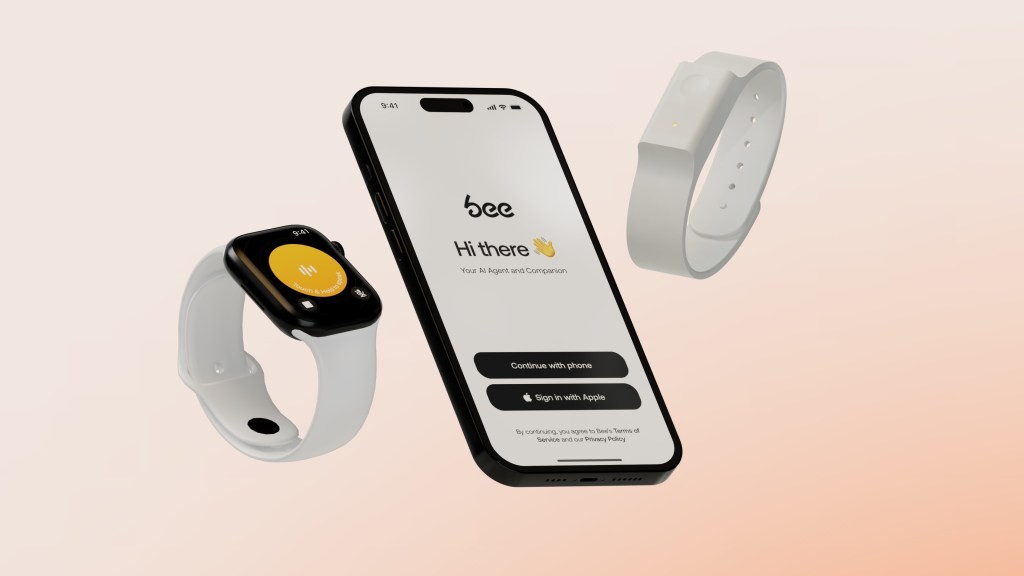
Figure 1. Amazon Acquires Bee: AI Wearable That Listens, Reminds, and Records.
Bee, which secured $7 million in funding last year, offers a wearable device similar to a Fitbit (priced at $49.99 with an additional $19 monthly subscription) as well as an Apple Watch app. The device continuously records audio—unless manually muted—aiming to capture conversations in order to generate reminders and to-do lists for the user. Figure 1 shows Amazon Acquires Bee: AI Wearable That Listens, Reminds, and Records.
Last year, Bee co-founder Maria de Lourdes Zollo told TechCrunch that the startup aimed to create a “cloud phone”—a virtual extension of the user’s smartphone that would give Bee devices access to notifications and accounts, enabling features like automated reminders and messaging.
On its website, Bee describes its vision as creating “a personal, ambient intelligence that feels less like a tool and more like a trusted companion—one that helps you reflect, remember, and move through the world more freely.”
While other companies such as Rabbit and Humane AI have attempted to break into the AI wearable space with limited success, Bee’s relatively low $50 price point makes it more appealing to consumers who are curious but hesitant to invest heavily. (By contrast, the ill-fated Humane AI Pin launched at $499.)
An Amazon spokesperson confirmed to TechCrunch that Bee employees have been offered positions at Amazon. The acquisition marks a shift in Amazon’s AI strategy, signaling interest in wearable AI tech beyond its current lineup of voice-controlled home assistants, like the Echo speaker series.
Meanwhile, competition in the AI wearable space is heating up. OpenAI is reportedly developing its own hardware, Meta is embedding its AI into Ray-Ban smart glasses, and Apple is rumored to be working on AI-powered eyewear.
However, products that record ambient audio come with significant privacy and security concerns. Company policies vary when it comes to how voice data is processed, stored, or used for AI training.
According to Bee’s current privacy policy, users can delete their data at any time. The company states that it does not store audio recordings or use them for AI training, though it does retain behavioral insights the AI gathers to function as a personal assistant.
Bee has also indicated it only records the voices of individuals who have given verbal consent. A planned feature would allow users to set topic- and location-based boundaries, automatically pausing data collection in certain contexts. Additionally, Bee is working on enabling on-device AI processing, which offers a more privacy-conscious alternative to cloud-based computation.
It remains unclear whether these privacy policies will remain intact once Bee becomes part of Amazon—a company with a mixed track record when it comes to user data protection.
What is Bee and Why Amazon Bought It
Bee is a wearable tech startup known for its always-on AI device that records ambient audio to help users manage tasks, remember conversations, and receive context-aware reminders. Its product lineup includes a standalone bracelet and an Apple Watch app, both priced accessibly at $49.99 (with a $19/month subscription). The company pitched its device as a “trusted companion” designed to assist rather than interrupt.
Amazon confirmed its acquisition of Bee (deal pending closure), signaling a new direction for the company’s AI strategy. While Amazon already dominates the smart speaker market with Echo, this move suggests a deeper push into wearable AI devices—potentially to stay competitive with Meta, Apple, and OpenAI, who are all working on AI-integrated wearables.
How Bee Works and What It Offers
Bee’s wearable listens to everything around it—unless the user manually mutes it—with the goal of extracting relevant information like reminders, action items, or to-do lists from real-world conversations. It acts as a “cloud phone,” mirroring a user’s device to access messages, calendars, and notifications for seamless assistance.
- Audio recordings are not stored or used for AI training.
- Users can delete data anytime.
- Only voices with verbal consent are recorded.
- It’s developing tools to set topic- and location-based boundaries to auto-pause data collection.
- It aims to shift toward on-device AI processing for added privacy.
What This Means for the Future of Wearables (and Your Privacy)
Amazon’s acquisition of Bee joins a growing trend of tech giants exploring AI-enhanced wearables as the next frontier beyond smartphones and smart speakers. OpenAI is building its own device, Meta has AI in smart glasses, and Apple is rumored to be doing the same.
With Bee now under Amazon, questions loom about how its privacy policies will evolve. Amazon has faced past criticism for mishandling user data from Alexa devices. Consumers and watchdogs will be watching closely to see if Bee's privacy-first promises hold.
Source: TC
Cite this article:
Priyadharshini S (2025), Amazon Acquires Bee, The Always-on AI Wearable That Records Your Conversations, AnaTechMaz, pp.756
Recent Post
-

Revolutionary AI Tool Transforms the Future of Protein Engineering
In this study, researchers introduced AiCEsingle, a specialized module engineered to.....
-

Meta Patches Bug That May Have Exposed Users' AI Prompts and Outputs
Meta has resolved a security vulnerability that allowed users...
-
XAI Claims Grok 4's Response Issues Have Been Resolved
When xAI launched Grok 4 last week, it claimed the model outperformed its competitors on...
-
DuckDuckGo Now Offers Option to Hide AI-Generated Images in Search Results
Privacy-first browser DuckDuckGo is introducing a new feature that allows...
-

AI Uncovers 86,000 Hidden Earthquakes Beneath Yellowstone
Yellowstone, America’s first and one of its most iconic national parks, is renowned...
-
Amazon Acquires Bee, The Always-on AI Wearable That Records Your Conversations
Amazon has acquired Bee, an AI wearables startup, as confirmed in...
-

AI Cracks the Hidden Code of Gut Bacteria Communication
The human body is made up of about 30 to 40 trillion cells—but your gut hosts nearly...
-

Google Pilots a Vibe–Coding App Called Opal
AI-powered coding tools have surged in popularity in recent months, prompting nearly...
-

AI Takes Imaging to the Edge of What Physics Allows
How accurately can you measure an object when all you have is a blurred image? Scientists...
-
New GPT-OSS Model by NVIDIA And OpenAI Sets Record With 1.5 million Tokens Per Second
OpenAI and NVIDIA have jointly introduced two powerful...
-

Google’s Genie 3 Breathes Life Into AI-Generated Worlds with Dynamic, Real-Time Gameplay
World models like Genie 3 are seen as vital stepping stones on the path...
-

OpenAI Brings Back GPT-4o After User Backlash Over Complaints That the New GPT-5 Feels Less Intelligent
OpenAI rolled out its ...
-

Hexaware Technologies to Establish South African Hub for Delivering AI-Driven Solutions Across Africa
“South Africa has always been a key hub for IT transformation and serves...
-
Google Confronts $34.5 Billion Threat as AI Challenger Perplexity Targets Chrome
In a dramatic David-and-Goliath play, Perplexity AI has made an...
-

AI-Powered Radar Can Eavesdrop on Phone Calls from 10 Feet Away, Raising Fresh Privacy Concerns
Your phone’s smallest vibrations may be giving away your conversations...
-