

Fortnite’s “No Sweat” Strategy Backfires, Making Things Worse for Players
Despite the initial hype surrounding Fortnite’s the Simpsons season, player sentiment steadily soured throughout November. The core issue? People weren’t having fun. In a game where only one player can win each match, everyone else inevitably ends up feeling like a loser.
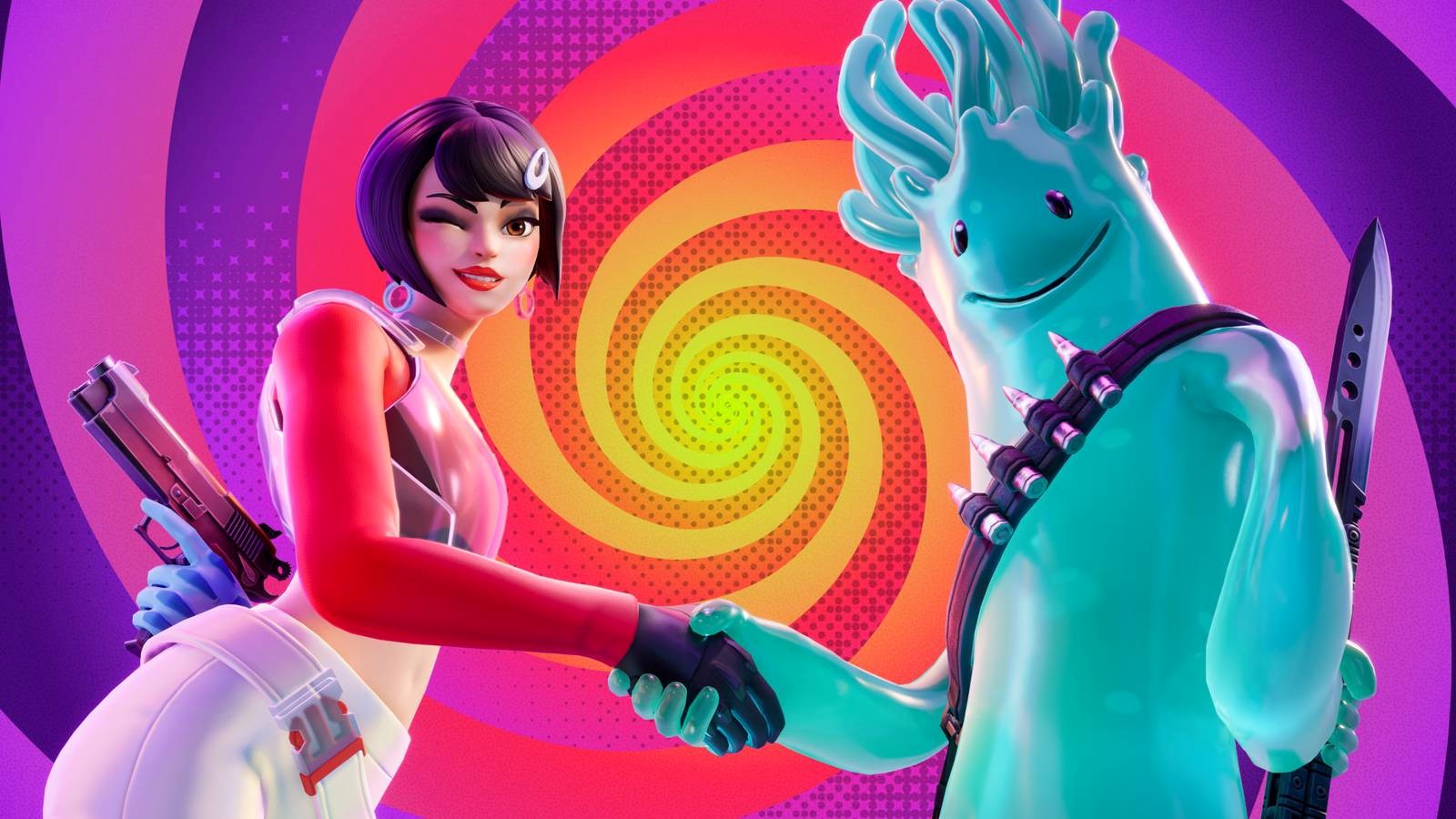
Figure 1. Fortnite’s “No Sweat” Weekend Backfires, Frustrating Players.
The complaints grew loud enough that Epic Games decided to experiment over the weekend, attempting to make the experience less intense for casual players who just wanted a relaxed session with friends. The idea sounded promising, but in practice, it failed. The game has since returned to its usual state, yet the incident highlighted one of Fortnite’s biggest long-term challenges as a live-service game. Figure 1 shows Fortnite’s “No Sweat” Weekend Backfires, Frustrating Players.
The so-called “sweats” — players who treat every encounter like life or death — have existed since Fortnite’s inception. These are the players who relentlessly chase kills across the map, prioritizing victory over any social interaction. They’d rather shotgun someone in the face than engage in a friendly emote. While winning is naturally the goal in any game, what sets sweats apart is their extreme dedication to securing kills. They typically appear in ranked or competitive modes, where this intensity is expected, rather than casual lobbies.
At the start of every season, the game is usually at its sweatiest, with veteran players mixing with weekend warriors who barely know what a kill/death ratio is. As the season progresses, the average player usually finds some breathing room. But The Simpsons season, with its record-breaking player numbers and the compact Springfield map, amplified conflicts on a massive scale.
Players have been voicing frustration for weeks, from Reddit threads to viral TikToks garnering millions of views. Many deemed this season the “sweatiest” ever. While that may sound like an exaggeration, it clearly concerned Epic Games, prompting them to release a late-November update aimed at easing the problem.
From November 22 to 24, Epic Games put Fortnite into an official “No Sweat” mode. During the weekend, the player count per match was reduced from 80 to 60, the powerful Deodorant Applicator gun appeared more frequently, and players could level up faster. The goal was to give players more breathing room on the island, with fewer competitors for loot and more time to prepare before encountering others.
“No Sweat weekend is WORSE and harder,” read one highly upvoted Reddit post, where the player described being placed in lobbies where a single team could rack up 20 kills. Many others echoed the sentiment, saying they barely noticed any difference. The typical experience became a slow, lonely start, followed by an intense, high-pressure final showdown once only a few players remained.
“This No Sweat weekend is awful,” wrote another Reddit user, adding that it was “just 20 fewer players but the same amount of tryhards [shotgun] pumping everyone.”
The frustration wasn’t limited to Reddit. A TikTok discussing the changes garnered 1.5 million views, with commenters complaining about being thrown into empty lobbies or facing TTV streamers who eliminated them before they even landed. “Literally been the sweatiest weekend in ages,” one user wrote.
Fortnite faces a uniquely tricky problem. Its battle royale mode is the main draw, far outshining spin-offs like Steal the Brainrot, Lego, music, and racing modes, none of which have captured players’ attention in the same way. For a time, the Delulu mode sparked excitement, offering proximity chat for deeper player interaction and randomizing the number of winners to keep things fresh. Fun-focused weapons, like the friendly grenade that prevents damage within its radius, reinforced Epic’s ambition to create a Fortnite experience that isn’t solely about eliminating others.
But over time, Delulu lost its charm. Players are now more likely to encounter loud, disruptive voices than meaningful interactions, and the unpredictability of multiple winners undermines the sense of victory—even though losing is the very thing frustrating players. Every solution feels like a compromise: more bots make wins feel hollow, and alternative modes can’t replicate the thrill of battle royale. The competitive edge that makes the main mode compelling also makes it unapproachable for casual players.
Fortnite’s chaotic meritocracy is part of its identity: finding a bazooka or a gray pistol, and then making the best of it, defines the thrill. But in 2025, life outside the game is harsher, and many players just want a moment of fun without getting eliminated immediately. No Sweat weekend may have ended, but the existential challenge Epic faces—keeping Fortnite engaging, fair enough to feel fun, yet chaotic enough to stay exciting—remains unsolved.
Source: Polygon
Cite this article:
Priyadharshini S (2025), Fortnite’s “No Sweat” Strategy Backfires, Making Things Worse for Players, AnaTechMaz, pp.344
Recent Post
-
Daggerheart's First Expansion Adds Werewolves and Vampires
Critical Role’s Daggerheart RPG is receiving its first expansion in summer 2026, introducing new character...
-
Fortnite’s “No Sweat” Plan Backfired
Fortnite’s Simpsons season faced backlash as players grew frustrated with constant losses. In response...
-
Marvel Rivals Keeps Mimicking Overwatch 2
Nearly a year after its launch, Marvel Rivals still leans heavily on Overwatch 2 for inspiration. While NetEase...
-
Possessor(s) Devs on Crafting a Melancholy Yet Colorful World
Exploring Heart Machine’s simple yet stylized approach to characters and environments: across games like...
-
PSA: Get Battlefield 6 Free This Week
Less than two months after launch, Battlefield 6 is offering a one-week free trial. From Nov. 25 to Dec. 2, a...
-
Scott Pilgrim EX Reimagines Toronto with Chrono Trigger and Sonic Elements
While Scott Pilgrim vs. the World began as a comic, its identity has always...
-
Slots & Daggers Turns Slay the Spire into a Slot Machine
A faint light glimmers at the back of a medieval tavern, where a crowd gathers around a...
-
Sword of the Sea’s Game Awards Snub Stuns
Despite the hype around this year’s Game Awards, Sword of the Sea has been largely overlooked, becoming...
-
Double Fine Unveils a Surprise New Game: A Delightful Multiplayer Pottery Party Brawler
Kiln, Double Fine explains, is all about the joyful clash between creativity...
-
Daggerheart Expands with First Expansion, Introducing Werewolves and Vampires
Daggerheart: Hope & Fear significantly expands character creation options...
-
Keith Baker and Monte Cook Lead Courses at Dungeon Master University
Since 2018, Tabletop Vacations has been hosting immersive experiences...
-
Kirby Air Riders Revives the Forgotten Joy of Unlockable
I remember being at a sleepover at a friend’s house with the brand-new GameCube I’d gotten for Christmas...
-
Zelda Spirit Shines Bright in New Tabletop RPG Twilight Sword
Twilight Sword has quickly become Backerkit’s breakout tabletop RPG, launched by Italian studio Two...
-
Fortnite’s “No Sweat” Strategy Backfires, Making Things Worse for Players
Despite the initial hype surrounding Fortnite’s the Simpsons season...
-
Scott Pilgrim EX Constructs a Digital Toronto Using Chrono Trigger and Sonic Elements
Scott Pilgrim vs. the World may have begun as a comic, but it owes much...