

Marvel Rivals Keeps Mimicking Overwatch 2
Nearly a year after its launch, Marvel Rivals still leans heavily on Overwatch 2 for inspiration. While NetEase initially carved out its own identity, the addition of Strategist Gambit in season five shows the studio hasn’t fully shaken the habit, making the game feel increasingly out of step with its own mechanics.
At launch, Marvel Rivals was essentially an Overwatch clone, featuring similar game modes and a roster that mixed Marvel flair with mechanics borrowed from Overwatch heroes. Star-Lord resembles a flying Tracer, Scarlet Witch and Cloak & Dagger are Moira-like, Doctor Strange shares traits with Sigma, and others include Hawkeye (Hanzo), Black Widow (Widowmaker), and Rocket Raccoon (Baptiste).
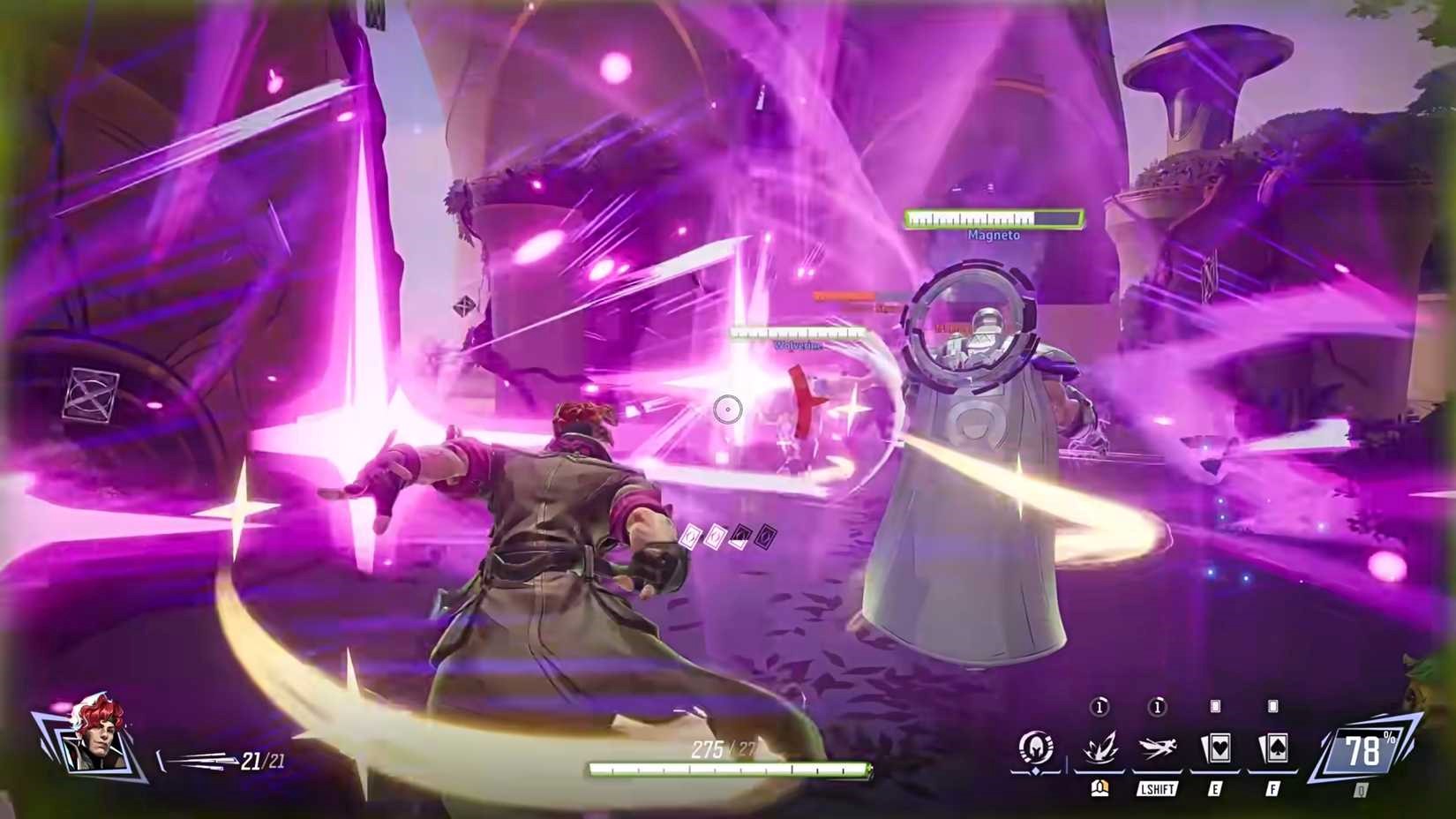
Figure 1. Marvel Rivals still leans too heavily on Overwatch 2
Marvel Rivals initially felt derivative, but as a live-service game, evolution was always part of the plan. The arrival of Emma Frost marked a turning point—her aggressive, mobile playstyle brought fresh life to the previously clunky Vanguard class and quickly made her one of the most-picked characters in the game. Figure 1 shows Marvel Rivals still leans too heavily on Overwatch 2.
Phoenix shook things up with a speedy, fiery kit that broke the mold of the typically slow duelists, followed by Blade’s burst-heavy style that demands smart cooldown use. Angela brought a dual-form Vanguard approach that transformed how the class plays. These creative additions made it feel like Marvel Rivals had finally found its own identity—until Gambit arrived and proved otherwise.
I like Gambit—he’s a strong Strategist who cleverly addresses a major flaw in Marvel Rivals’ healing system. But he’s also about 70% a copy of Wuyang, Overwatch 2’s latest support hero, with a hint of Ana. Wuyang knocks enemies back with his staff; Gambit’s Bō does the same. Wuyang boosts incoming healing; so does Gambit. Wuyang’s ultimate envelopes an ally in energy before exploding and stunning foes—Gambit’s ultimate does the same, even giving allies the speed and jump boosts tied to Wuyang’s mobility ability.
The frustrating part about these similarities—beyond NetEase falling back on old habits—is that they clash with how Marvel Rivals actually plays. Gambit’s enhanced jump is largely situational, since verticality rarely matters on Rivals’ maps. Sure, it has a high skill ceiling, but the real challenge is finding a situation where it’s even useful. Even a year after launch, most knockback and launch abilities barely knock anyone back. So why make it a centerpiece of Gambit’s kit? The same goes for boosting ally healing while reducing enemy healing—Rivals’ version of Ana’s biotic grenade. The effect is fleeting and only truly effective if you’re perfectly synced with another Strategist on your team (assuming someone bothers to fill that role).
What works well about Gambit is his ability to heal multiple allies at once with Bridge Boost. In Rivals, damage spikes so quickly that if a healer shifts focus even briefly, the first target can be taken out before they’re healed again. Gambit avoids that problem. His Cajun Charge and Bayou Blast combo lets him reach flying enemies or quickly move across the map to support allies, which is a huge boon given most Strategists’ mobility issues. Even his primary fire is cleverly designed: the cards spread slightly over distance, making it easier to hit moving or flying targets without relying on hitscan mechanics, and helping Gambit stay alive longer—something many Strategists struggle with.
Overall, Gambit feels strong and could easily become a favorite Strategist. Still, the Wuyang-inspired elements of his kit seem largely redundant, offering little value in Rivals’ gameplay. Hopefully NetEase leans more into the game’s unique mechanics in future updates.
References:
- https://www.polygon.com/marvel-rivals-gambit-kit-overwatch-2-wuyang/
Cite this article:
Janani R (2025), Marvel Rivals Keeps Mimicking Overwatch 2, AnaTechMaz, pp. 333
Recent Post
-

Daggerheart's First Expansion Adds Werewolves and Vampires
Critical Role’s Daggerheart RPG is receiving its first expansion in summer 2026, introducing new character...
-
Fortnite’s “No Sweat” Plan Backfired
Fortnite’s Simpsons season faced backlash as players grew frustrated with constant losses. In response...
-
Marvel Rivals Keeps Mimicking Overwatch 2
Nearly a year after its launch, Marvel Rivals still leans heavily on Overwatch 2 for inspiration. While NetEase...
-

Possessor(s) Devs on Crafting a Melancholy Yet Colorful World
Exploring Heart Machine’s simple yet stylized approach to characters and environments: across games like...
-

PSA: Get Battlefield 6 Free This Week
Less than two months after launch, Battlefield 6 is offering a one-week free trial. From Nov. 25 to Dec. 2, a...
-
Scott Pilgrim EX Reimagines Toronto with Chrono Trigger and Sonic Elements
While Scott Pilgrim vs. the World began as a comic, its identity has always...
-

Slots & Daggers Turns Slay the Spire into a Slot Machine
A faint light glimmers at the back of a medieval tavern, where a crowd gathers around a...
-
Sword of the Sea’s Game Awards Snub Stuns
Despite the hype around this year’s Game Awards, Sword of the Sea has been largely overlooked, becoming...
-
Double Fine Unveils a Surprise New Game: A Delightful Multiplayer Pottery Party Brawler
Kiln, Double Fine explains, is all about the joyful clash between creativity...
-

Daggerheart Expands with First Expansion, Introducing Werewolves and Vampires
Daggerheart: Hope & Fear significantly expands character creation options...
-
Keith Baker and Monte Cook Lead Courses at Dungeon Master University
Since 2018, Tabletop Vacations has been hosting immersive experiences...
-

Kirby Air Riders Revives the Forgotten Joy of Unlockable
I remember being at a sleepover at a friend’s house with the brand-new GameCube I’d gotten for Christmas...
-

Zelda Spirit Shines Bright in New Tabletop RPG Twilight Sword
Twilight Sword has quickly become Backerkit’s breakout tabletop RPG, launched by Italian studio Two...
-

Fortnite’s “No Sweat” Strategy Backfires, Making Things Worse for Players
Despite the initial hype surrounding Fortnite’s the Simpsons season...
-

Scott Pilgrim EX Constructs a Digital Toronto Using Chrono Trigger and Sonic Elements
Scott Pilgrim vs. the World may have begun as a comic, but it owes much...