

New Strategy Boosts Immune Cells While Starving Tumors
Researchers at UCLA have developed a technique that provides T cells with a protected source of sugar, enabling them to maintain their energy levels and fight solid tumors more effectively. In preclinical studies, the enhanced immune cells showed improved survival and stronger anti-tumor activity.
Published in the journal Cell, the research tackles a major obstacle facing CAR-T and other cancer immunotherapies. Solid tumors such as lung, breast, and colorectal cancers often deplete the surrounding nutrients, leaving immune cells starved of energy and less effective. By ensuring T cells retain access to fuel, the new approach could help boost the effectiveness of immune-based cancer treatments.
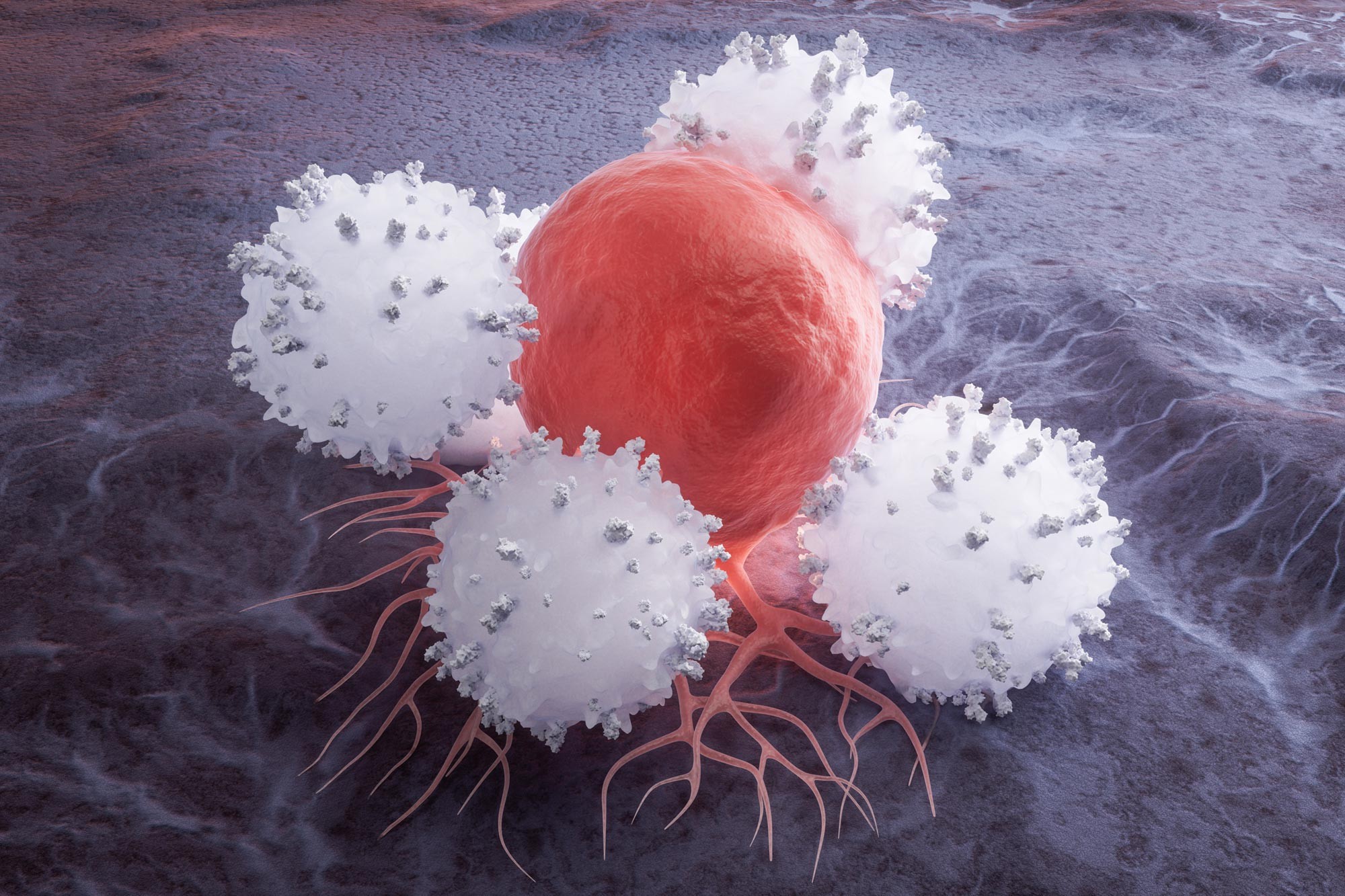
Figure 1. New Energy Source Helps Immune Cells Fight Tumors
Tumors Cut Off the Fuel Immune Cells Need
According to the researchers, one of the biggest challenges in treating solid tumors is that cancer cells consume much of the available glucose in their environment. This leaves nearby T cells—the immune system’s primary cancer fighters—without enough energy to function effectively. Figure 1 shows New Energy Source Helps Immune Cells Fight Tumors.
Without sufficient glucose, T cells struggle to produce the signaling molecules and cytotoxic responses needed to destroy cancer cells. This competition for nutrients gives tumors a significant advantage, helping them evade immune attacks, continue growing, and spread throughout the body.
A Sugar Source Cancer Cells Can't Exploit
To overcome the nutrient shortages created by tumors, researchers engineered T cells to use cellobiose, a naturally occurring sugar derived from plant cellulose that human and cancer cells cannot normally metabolize. Because tumors are unable to access this fuel source, it provides a way to energize immune cells without simultaneously feeding cancer.
The team equipped T cells with two fungal proteins that enabled them to absorb cellobiose and convert it into glucose internally. In laboratory experiments mimicking the nutrient-deprived conditions found inside solid tumors, these modified T cells remained active, continued multiplying, produced key cancer-fighting molecules such as IFN-γ and TNF, and effectively destroyed tumor cells. In contrast, unmodified T cells rapidly lost their ability to function when exposed to the same low-glucose environment.
Engineered T Cells Showed Greater Survival
The researchers then evaluated the strategy in mouse models of solid tumors. Mice treated with tumor-targeting T cells engineered to metabolize cellobiose experienced slower tumor growth and significantly improved survival compared with those receiving conventional immune cells. In some cases, the tumors disappeared entirely.
Further analysis revealed that the modified T cells remained more active within the tumors, expanded in greater numbers, and exhibited fewer signs of immune exhaustion—a common condition that reduces the effectiveness of anti-cancer responses. The findings suggest that providing immune cells with an exclusive energy source can help them overcome the metabolic competition imposed by tumors, enhancing their ability to persist and attack cancer cells.
The approach also proved promising in human CAR-T cells, a type of engineered immune cell already used to treat certain blood cancers. Under low-glucose laboratory conditions that mimic the nutrient-poor environment of solid tumors, conventional CAR-T cells rapidly lost viability and their ability to produce cancer-fighting cytokines. In contrast, supplying cellobiose restored the engineered cells’ survival, growth, immune signaling, and tumor-killing capacity.
In mouse studies, CAR-T cells equipped to use cellobiose remained more active within tumors and showed improved tumor-control potential [1]. The findings indicate that giving immune cells access to a fuel source unavailable to cancer cells can preserve normal metabolic function even when glucose is scarce, boosting both their endurance and their ability to attack tumors.
A Potential Boost for Solid Tumor Treatments
The researchers believe their strategy could enhance a wide range of T cell–based cancer treatments. Although hundreds of clinical trials are currently exploring CAR-T therapies for solid tumors, many have struggled because immune cells become exhausted or lose effectiveness within the tumor environment.
By equipping T cells with the genes needed to utilize cellobiose and providing a controlled supply of this alternative fuel, the team hopes to strengthen immune cell performance and persistence. Because the approach is compatible with existing T cell therapies, it could potentially improve many cancer treatments already under development, broadening the impact of immunotherapy against solid tumors.
References:
- https://scitechdaily.com/magnon-breakthrough-could-shrink-quantum-computers-to-the-size-of-a-penny/
Cite this article:
Janani R (2026), New Strategy Boosts Immune Cells While Starving Tumors, AnaTechMaz, pp.771
Recent Post
-
Scientists Find Common Medications May Change the Gut for Years
A new study suggests that the gut microbiome may preserve ....
-

Scientists Develop New Method to Freeze and Restore Living Brain Tissue
Scientists have made progress toward safely freezing and restoring....
Researchers Compare Multiple Sclerosis Models with Human Tissue to Improve Future Therapies
Researchers have uncovered important differences between two...
Scientists Identify Genetic “Off Switch” That Boosts CAR T Cell Cancer Fighting Power
A new study has identified a potential strategy for making CAR T-cell....

New Research Suggests Sperm Behave Beyond a Fundamental Physics Rule
Sperm cells are able to swim through microscopic environments that....
-
New Strategy Boosts Immune Cells While Starving Tumors
Researchers at UCLA have developed a technique that provides T cells with a protected source of sugar, ....