

Researchers Compare Multiple Sclerosis Models with Human Tissue to Improve Future Therapies
Researchers have uncovered important differences between two commonly used models of Multiple Sclerosis, showing that each is better suited for studying specific aspects of the disease, including myelin damage, immune activity, and tissue repair. The findings could help guide the development of therapies aimed at restoring lost myelin and improving nerve function.
More than one million people in the United States are affected by multiple sclerosis, a condition that damages the brain, spinal cord, and optic nerves. Symptoms can appear unpredictably and may last for days, months, or even years, often including extreme fatigue, muscle spasms, and vision impairment. Researchers believe that gaining a deeper understanding of how MS harms the nervous system is critical for creating more effective treatments.
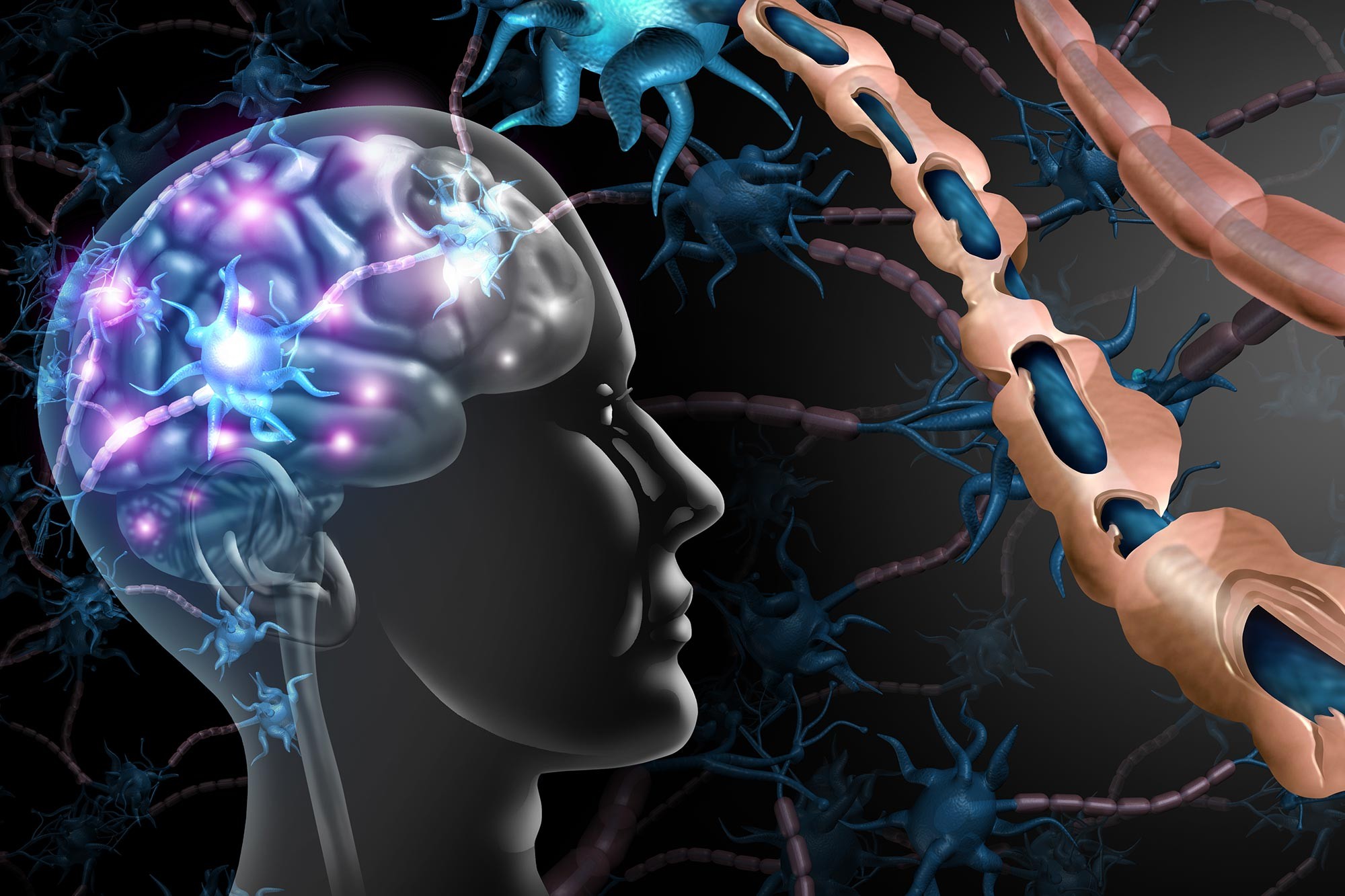
Figure 1. Multiple Sclerosis Study Shows How Different Research Models Replicate Myelin Damage and Immune Responses.
Katrina Adams studies how the loss and repair of myelin contribute to the progression of Multiple Sclerosis. Myelin is the fatty protective coating surrounding nerve fibers that helps electrical signals move efficiently through the nervous system, similar to insulation around electrical wiring. In MS, damage to myelin triggers inflammation and lesions that vary in size, number, and location. Figure 1 shows Multiple Sclerosis Study Shows How Different Research Models Replicate Myelin Damage and Immune Responses.
Because obtaining tissue samples from patients with progressive MS is extremely challenging, researchers often rely on laboratory models to investigate the disease. In a study published in Nature Communications, Adams and her colleagues compared two widely used models of myelin damage and repair: cuprizone (CPZ) and lysophosphatidylcholine (LPC).
According to Adams, the team’s analysis provides a scientifically grounded framework that could help guide future research into MS and related neurological disorders involving myelin loss and regeneration.
Comparing CPZ and LPC Models in Multiple Sclerosis Research
Although CPZ and LPC are frequently used to study similar aspects of Multiple Sclerosis, the two models create very different forms of myelin damage. CPZ causes widespread myelin loss gradually over several weeks, while LPC produces a more localized lesion within just a few days.
The study, funded by the National Multiple Sclerosis Society, found that each model may be better suited for specific research goals. According to Katrina Adams, CPZ is more useful for studying myelin-producing cells and how they respond to stress, injury, or repair because the damage develops slowly. In contrast, LPC may be more effective for investigating immune-cell activity because it triggers a stronger inflammatory response.
The researchers also compared lesions from the CPZ and LPC models with tissue samples taken from people with Multiple Sclerosis. Using single-cell RNA sequencing, they generated detailed genetic maps showing how different cells responded to demyelination, the loss of myelin around nerve fibers.
According to Katrina Adams, matching these experimental models to patterns observed in actual patient tissue helps ensure that researchers focus on biological processes that are truly relevant to human MS. She noted that, with so many possible research directions, identifying pathways directly connected to patient disease is essential for developing more effective therapies.
Genetic Clues to Myelin Regeneration in Multiple Sclerosis
The study revealed several notable genetic differences between the CPZ and LPC models, offering new clues about how myelin regeneration may occur in Multiple Sclerosis. Katrina Adams said the team was surprised to find distinct gene-expression changes in certain cell types, though researchers still do not know whether these changes promote or hinder myelin repair.
Adams explained that understanding these shifts in gene activity could provide valuable insight into how MS damages the nervous system and how the body attempts to respond, laying important groundwork for future therapies.
Current MS treatments primarily focus on reducing immune attacks on lesions and surrounding healthy tissue, but restoring damaged myelin remains one of the field’s biggest unmet goals [1]. Adams emphasized that carefully selecting and using these preclinical models is critical for translating laboratory discoveries into therapies that could eventually repair lost myelin and address one of the underlying causes of the disease.
References:
- https://techxplore.com/news/2026-05-framework-robots-complex-language-precise.html#google_vignette
Cite this article:
Janani R (2026), Researchers Compare Multiple Sclerosis Models with Human Tissue to Improve Future Therapies, AnaTechMaz, pp.768
Recent Post
-

Scientists Find Common Medications May Change the Gut for Years
A new study suggests that the gut microbiome may preserve ....
-

Scientists Develop New Method to Freeze and Restore Living Brain Tissue
Scientists have made progress toward safely freezing and restoring....
Researchers Compare Multiple Sclerosis Models with Human Tissue to Improve Future Therapies
Researchers have uncovered important differences between two...

Scientists Identify Genetic “Off Switch” That Boosts CAR T Cell Cancer Fighting Power
A new study has identified a potential strategy for making CAR T-cell....

New Research Suggests Sperm Behave Beyond a Fundamental Physics Rule
Sperm cells are able to swim through microscopic environments that....
-
New Strategy Boosts Immune Cells While Starving Tumors
Researchers at UCLA have developed a technique that provides T cells with a protected source of sugar, ....