

Scientists Identify Genetic “Off Switch” That Boosts CAR T Cell Cancer Fighting Power
A new study has identified a potential strategy for making CAR T-cell therapy more durable and effective by targeting a single protein involved in gene regulation.
CAR T-cell therapy, a personalized cancer treatment that reprograms a patient’s immune cells to recognize and destroy cancer, has shown remarkable success against certain blood cancers but has struggled to achieve similar results in solid tumors.
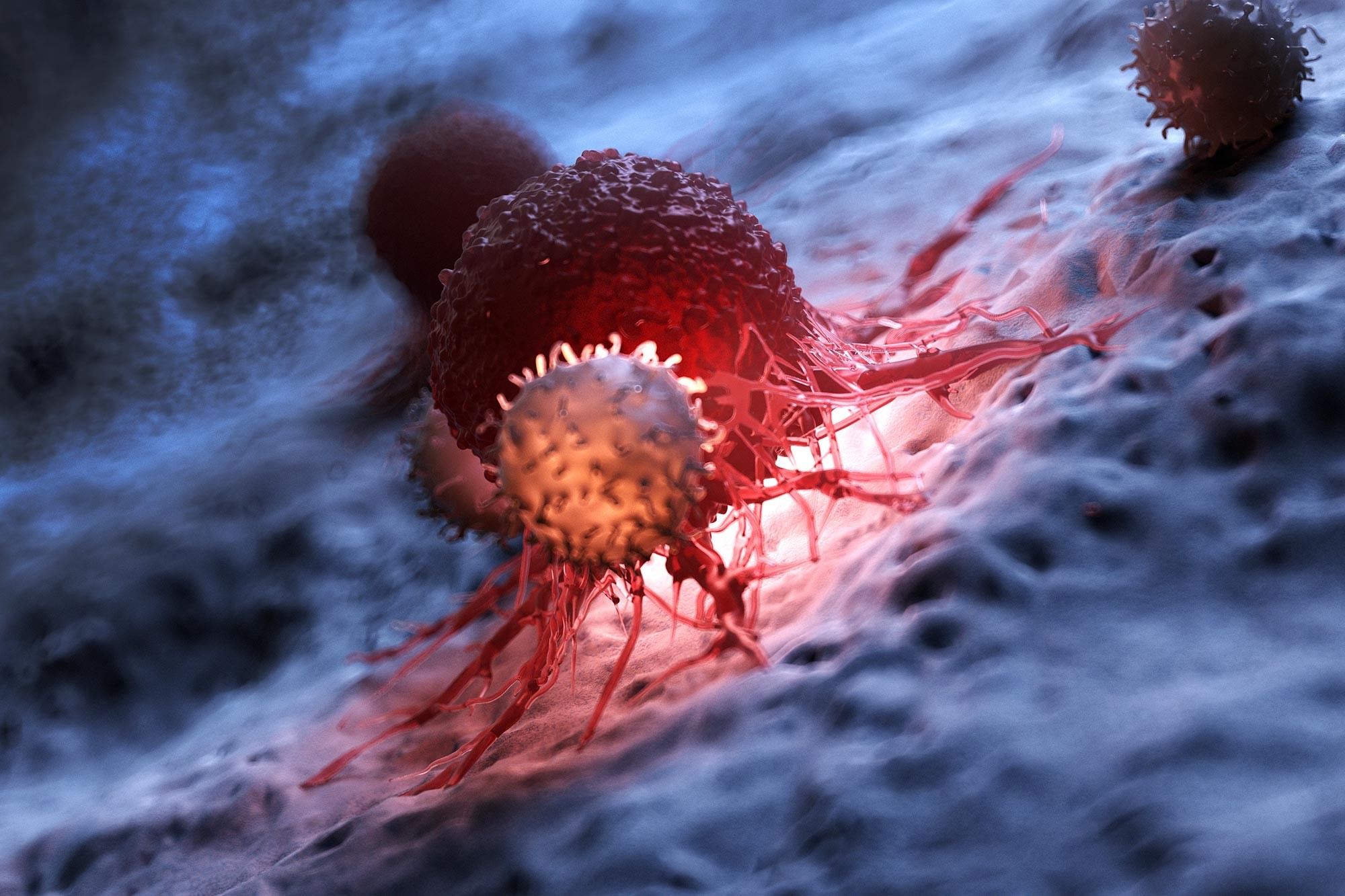
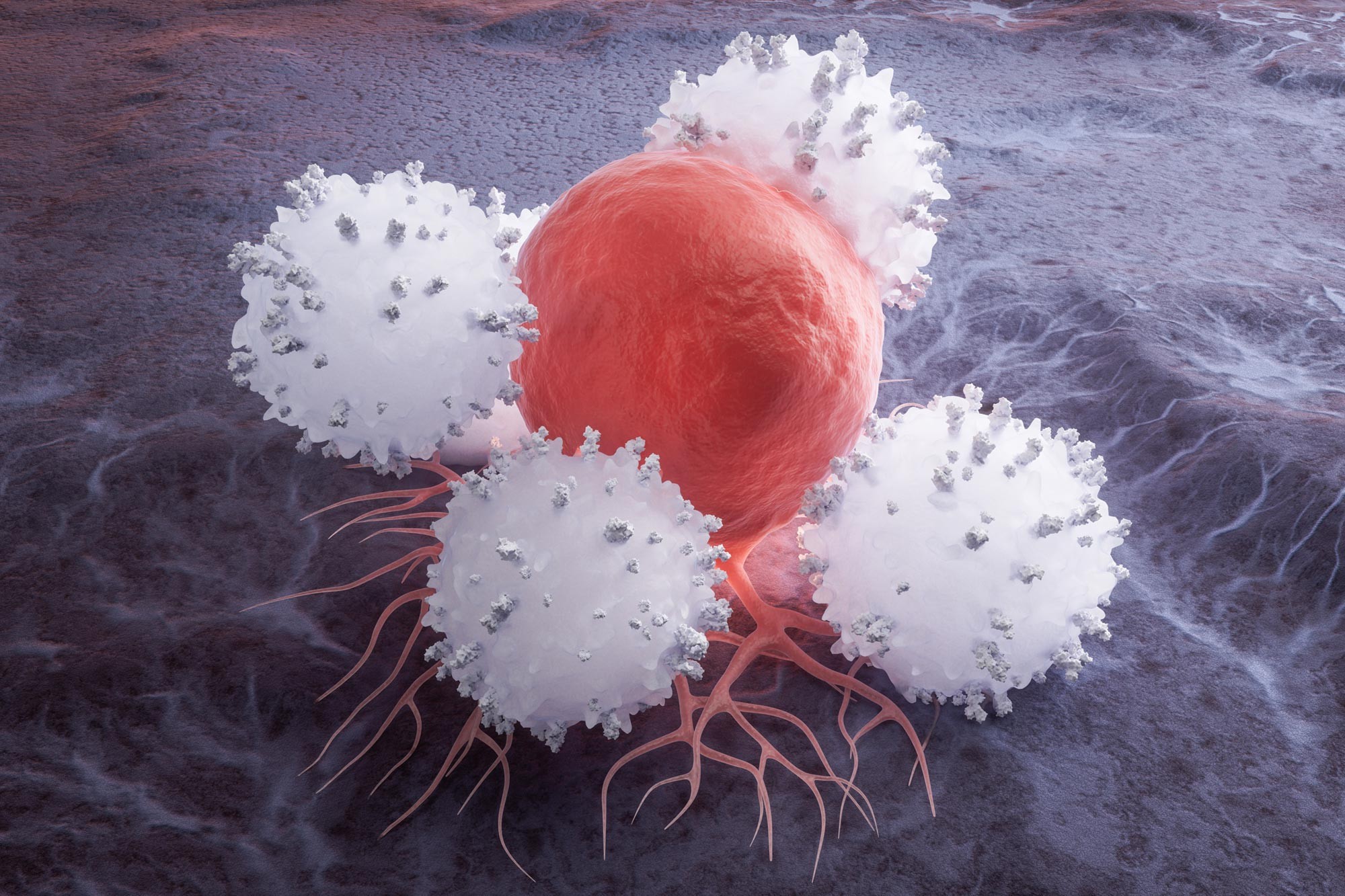
Figure 1. Gene-Edited CAR T Cells Show Stronger, Longer-Lasting Cancer-Fighting Activity in Animal Studies
Researchers led by Michel Sadelain and Judith Feucht found in animal studies that altering this gene-regulating mechanism could improve the performance of CAR T cells. Sadelain is widely recognized as one of the pioneers who helped develop and advance CAR T-cell therapy for clinical use. Figure 1 shows Gene-Edited CAR T Cells Show Stronger, Longer-Lasting Cancer-Fighting Activity in Animal Studies.
The research team conducted a large-scale investigation of roughly 400 transcription factors—proteins that regulate whether certain genes within a cell are activated or suppressed. Their study identified a protein known as NFIL3 as a major contributor to CAR T-cell exhaustion, a condition in which the engineered immune cells gradually lose their ability to attack cancer effectively.
When the researchers disabled NFIL3, the CAR T cells remained active for longer periods, reproduced more efficiently, and sustained stronger anti-tumor activity, suggesting a possible path toward more durable cancer treatments.
NFIL3 Found to Be a Major Cause of CAR T-Cell Exhaustion
Using CRISPR/Cas9 gene-editing technology, the researchers deactivated the NFIL3 gene to study its role in CAR T-cell performance. Often referred to as “genetic scissors,” CRISPR allows scientists to precisely target and disable specific genes. According to Judith Feucht, turning off NFIL3 could become an important step toward significantly improving the long-term effectiveness of CAR T-cell therapies.
In several mouse experiments, CAR T cells lacking NFIL3 were better at attacking tumors and helped prolong survival. The findings may lay the groundwork for developing improved treatments against cancers that are currently difficult to treat, particularly solid tumors.
Co–first author Celina May said the team hopes the approach will enhance CAR T-cell effectiveness against solid tumors and open new possibilities for future cancer therapies.
CRISPR Gene Editing Enhances the Power of CAR T Cells Against Cancer
Judith Feucht combines clinical care with laboratory research, working within Germany’s oncology Cluster of Excellence, iFIT, while also treating children and adolescents at the Department of Pediatrics at University Hospital Tübingen [1]. Her research follows a “bench-to-bedside” approach aimed at translating scientific discoveries into practical treatments for young cancer patients.
Although additional studies are still needed before the findings can be used clinically, the results provide cautious optimism that this strategy could eventually improve cancer treatment in people.
References:
- https://scitechdaily.com/scientists-discover-genetic-off-switch-that-supercharges-car-t-cells-against-cancer/
Cite this article:
Janani R (2026), Scientists Identify Genetic “Off Switch” That Boosts CAR T Cell Cancer Fighting Power, AnaTechMaz, pp.769
Recent Post
-
Scientists Find Common Medications May Change the Gut for Years
A new study suggests that the gut microbiome may preserve ....
-

Scientists Develop New Method to Freeze and Restore Living Brain Tissue
Scientists have made progress toward safely freezing and restoring....
Researchers Compare Multiple Sclerosis Models with Human Tissue to Improve Future Therapies
Researchers have uncovered important differences between two...
Scientists Identify Genetic “Off Switch” That Boosts CAR T Cell Cancer Fighting Power
A new study has identified a potential strategy for making CAR T-cell....
New Research Suggests Sperm Behave Beyond a Fundamental Physics Rule
Sperm cells are able to swim through microscopic environments that....
-
New Strategy Boosts Immune Cells While Starving Tumors
Researchers at UCLA have developed a technique that provides T cells with a protected source of sugar, ....