

Scientists Find Common Medications May Change the Gut for Years
A new study suggests that the gut microbiome may preserve long-lasting traces of medications long after treatment has ended, with some drugs leaving detectable effects years later.
Researchers at the University of Tartu Institute of Genomics found evidence that prescription medications can create enduring changes in the gut microbiome — the complex ecosystem of bacteria and other microorganisms that plays a major role in digestion, immunity, metabolism, and overall health.
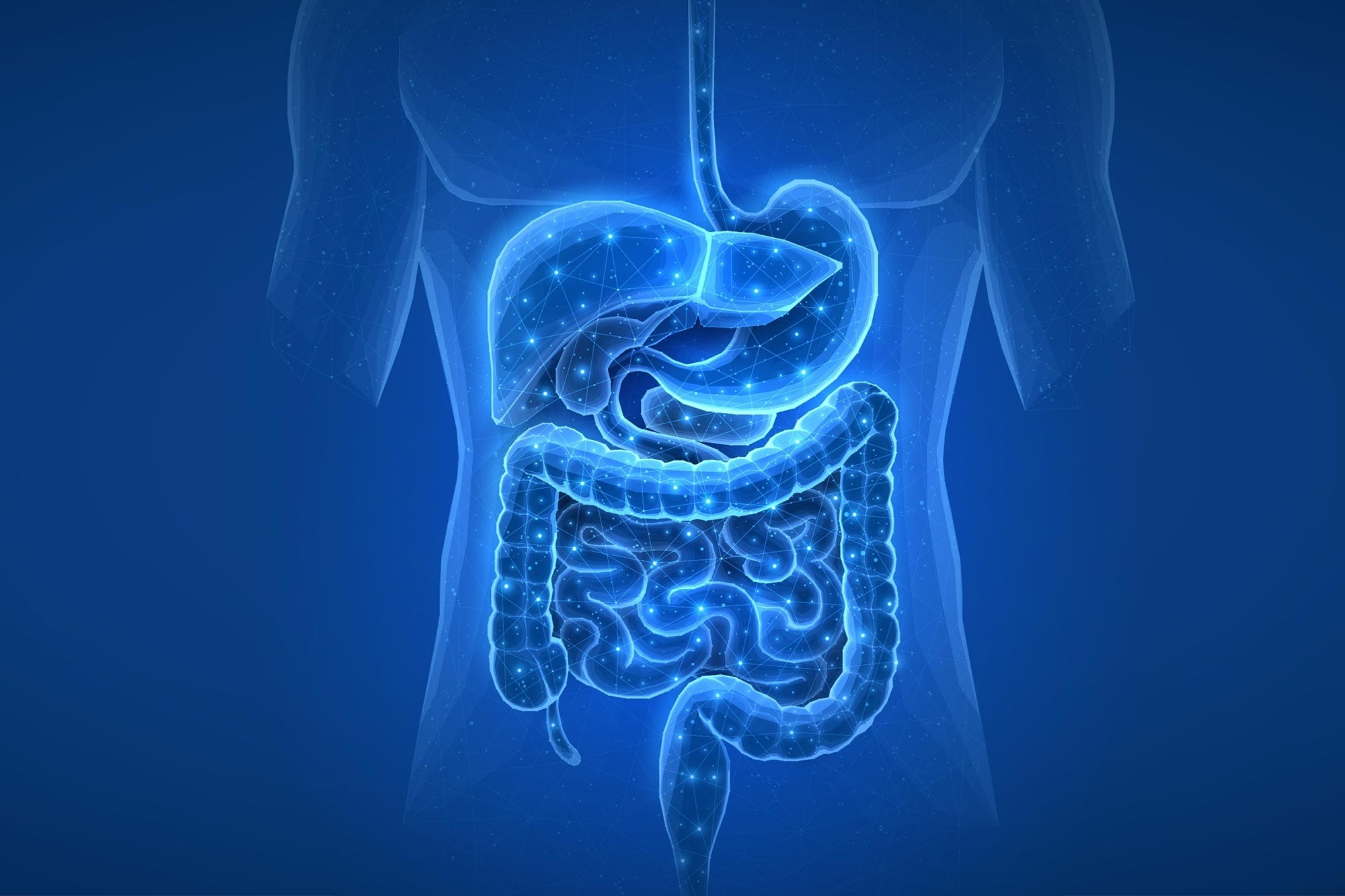
Figure 1. Common Prescription Drugs May Cause Long-Lasting Gut Microbiome Changes
The findings challenge a common assumption in microbiome research that only a person’s current medications significantly influence the gut. Instead, the study indicates that past drug use may continue shaping the microbiome long after treatment stops. Figure 1 shows Common Prescription Drugs May Cause Long-Lasting Gut Microbiome Changes.
The researchers examined stool samples and prescription histories from 2,509 participants in the Estonian Microbiome cohort, which is part of the Estonian Biobank. Using Estonia’s extensive health record system, the team was able to track years of medication use and compare participants’ current gut microbiomes with both recent and past exposure to prescription drugs.
Scientists Detect Long-Term Drug Signatures in the Gut Microbiome
Among the 186 medications examined in the study, 167 were linked to measurable differences in the gut microbiome. Even more notably, 78 drugs showed long-term effects, with microbial signatures still detectable long after treatment had ended. In some cases, these changes remained visible more than three years after the last recorded use.
The lingering effects were not limited to antibiotics. Researchers also identified persistent microbiome changes associated with antidepressants, beta blockers, proton pump inhibitors, glucocorticoids, biguanides, and benzodiazepines — medications commonly prescribed for conditions such as anxiety, insomnia, diabetes, and inflammation.
According to lead author Oliver Aasmets, most microbiome studies focus only on medications a person is currently taking. However, the new findings suggest that past drug exposure may be equally important because it strongly contributes to differences between individual gut microbiomes.
Scientists Find Stronger Microbiome Effects with Repeated Drug Use
The study suggests that repeated medication use may gradually strengthen changes in the gut microbiome over time. For several drugs, researchers found that the more prescriptions a person had received during the previous five years, the stronger the microbiome signature became. This type of cumulative, or “additive,” effect had previously been observed with antibiotics, but the new analysis revealed similar patterns for other medications that target human biology, including beta blockers, benzodiazepines, and glucocorticoids.
One of the most surprising findings involved benzodiazepines, which produced microbiome changes comparable in scale to those caused by broad-spectrum antibiotics. Remarkably, these effects could still be detected years after the medications were last used.
The researchers also discovered that drugs within the same category do not always influence the gut microbiome in the same way. For example, Alprazolam and Diazepam — both benzodiazepines — appeared to produce different microbial effects. Similar variations were observed among beta blockers and proton pump inhibitors.
Researchers Say Drug History May Be Crucial for Future Studies
The findings suggest that future research could become important if it is confirmed that some medications have gentler effects on the gut microbiome while still providing the same clinical benefits. However, the researchers emphasize that these results do not imply patients should stop or alter any prescribed treatments.
To further validate their results, the team analyzed a subset of 328 participants who provided a second stool sample after a median follow-up period of 4.4 years [1]. These follow-up data showed that starting or stopping certain medications was associated with predictable shifts in gut bacterial composition. Even with the smaller sample, long-term effects were confirmed for drugs such as proton pump inhibitors, selective serotonin reuptake inhibitors, and antibiotics including macrolides and combination penicillins.
According to corresponding author Elin Org, the study represents a comprehensive evaluation of long-term medication effects on the gut microbiome using real-world health records. She noted that incorporating medication history could improve how future microbiome data is interpreted by both researchers and clinicians.
The authors also acknowledged limitations in the study. It included only prescription medications, excluding over-the-counter drugs, and relied on filled prescriptions as a proxy for actual drug use, which may not always reflect whether patients took the medication as prescribed.
References:
- https://scitechdaily.com/scientists-discover-common-medications-may-secretly-alter-your-gut-for-years/
Cite this article:
Janani R (2026), Scientists Find Common Medications May Change the Gut for Years, AnaTechMaz, pp.766
Recent Post
-
Scientists Find Common Medications May Change the Gut for Years
A new study suggests that the gut microbiome may preserve ....
-

Scientists Develop New Method to Freeze and Restore Living Brain Tissue
Scientists have made progress toward safely freezing and restoring....
Researchers Compare Multiple Sclerosis Models with Human Tissue to Improve Future Therapies
Researchers have uncovered important differences between two...

Scientists Identify Genetic “Off Switch” That Boosts CAR T Cell Cancer Fighting Power
A new study has identified a potential strategy for making CAR T-cell....

New Research Suggests Sperm Behave Beyond a Fundamental Physics Rule
Sperm cells are able to swim through microscopic environments that....
-
New Strategy Boosts Immune Cells While Starving Tumors
Researchers at UCLA have developed a technique that provides T cells with a protected source of sugar, ....