

A Forgotten Fortnite Rival That Sank Its Studio Still Merited More Than 30 Days of Life
Some video game failures end up feeling like milestones. Concord—Sony’s ill-fated multiplayer shooter that collapsed only weeks after launch—was such an infamous flop that it took on a kind of legend. (After all, developers didn’t resurrect the game’s servers because it was a hidden masterpiece.)
But most failures aren’t nearly as memorable. For every Concord, there are countless multiplayer shooters that quietly vanish after failing to attract players. No one makes retrospectives about them, no one campaigns to revive them—they simply fade away. Radical Heights was one of those games.
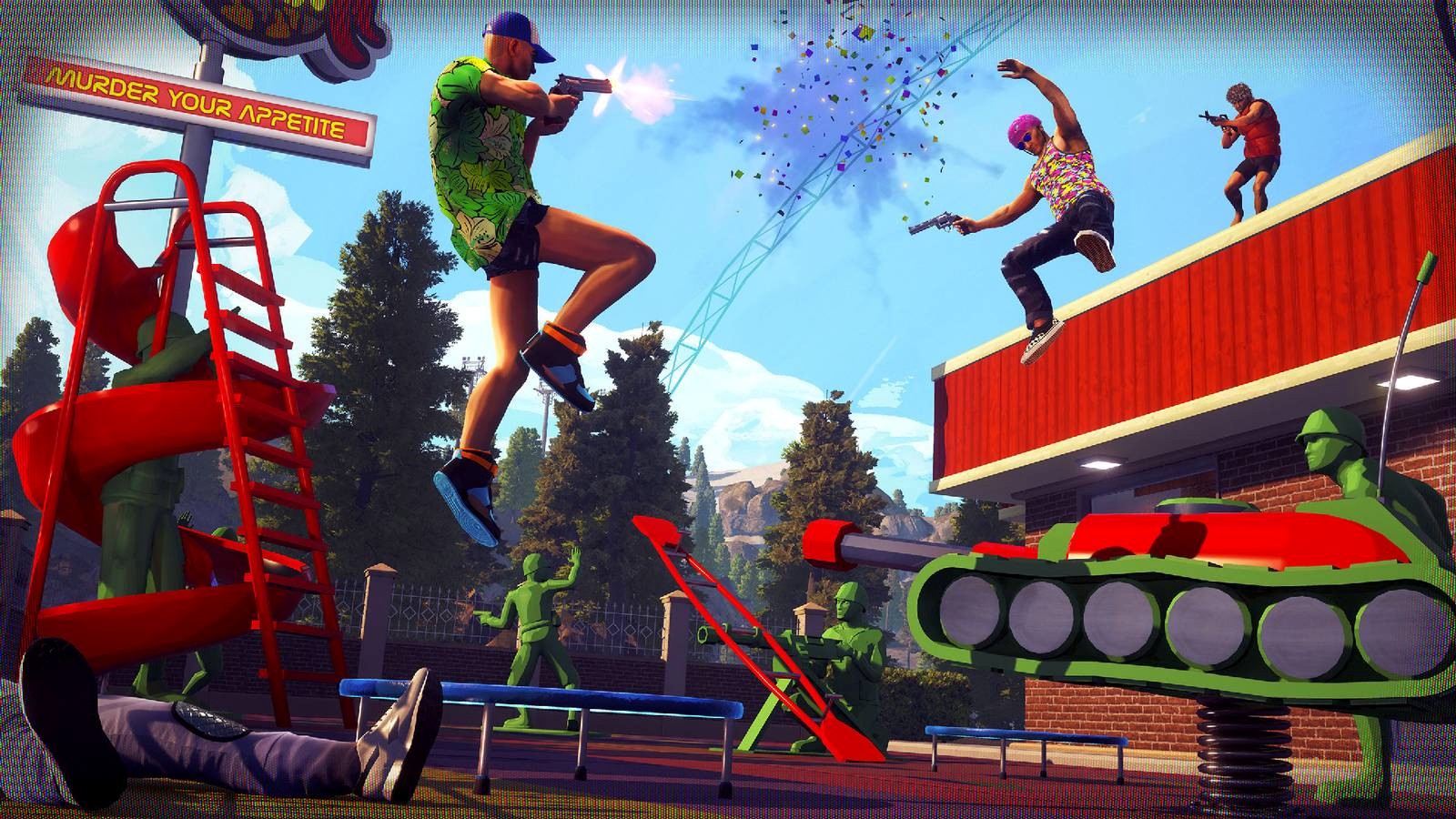
Figure 1. A Short-Lived Fortnite Rival That Deserved More Time.
Back in 2018, a struggling studio was desperate for a breakthrough. Boss Key Productions—founded by Gears of War creator Cliff Bleszinski and Guerrilla Games co-founder Arjan Brussee—had just stumbled with LawBreakers, a competitive shooter that never caught on. Despite the hype around hero shooters like Overwatch, LawBreakers flopped commercially. Figure 1 shows A Short-Lived Fortnite Rival That Deserved More Time.
Boss Key needed a last-ditch miracle to survive. The studio turned once again to the multiplayer shooter market in hopes of riding the next major trend—and as LawBreakers struggled to stand out in the hero-shooter wave, a new genre was exploding: battle royale.
With PlayerUnknown’s Battlegrounds heating up the industry, Boss Key moved as quickly as possible. Bleszinski’s team hastily assembled a battle-royale-inspired project called Radical Heights, launching it in 2018 under the label “X-Treme Early Access,” long before it was truly ready. The game closely followed PUBG’s blueprint: players dropped onto a map laid out like a checkered grid, scavenged for weapons and gear, and fought to be the last one alive. Its main twist was an over-the-top 1980s aesthetic, presenting the whole experience as a retro game show filled with quirky touches that distinguished it from PUBG.
From the outside, it looked like a blatant, rushed cash grab. The early release made that impression even stronger—the game felt more like a pre-alpha experiment than a finished product. (At launch, you couldn’t even choose to play as a female character; the option was simply labeled “coming soon.”) Still, beneath the rough exterior, there was a spark of genuine promise.
I played a lot of Radical Heights back in 2018—and I mean a lot. I was completely hooked. Part of that came from how strong the battle-royale formula was at the time. The elimination structure was brilliant, creating space for unexpected, emergent stories in every match while letting you jump into a new round quickly instead of sitting through a lopsided deathmatch until the clock hit zero. Radical Heights understood that appeal and amplified it with surprisingly crisp gunplay.
But the game’s charm wasn’t just borrowed from its inspirations; it had flashes of genuine creativity. Its smartest innovation revolved around sound. Battle-royale matches can often be eerily quiet while players scavenge for loot, and firing your gun instantly makes you a beacon for anyone nearby. Radical Heights leaned into that tension. One of its best ideas was the prize doors: storage units with valuable loot that required you to stand on a pressure plate to unlock them. The catch? A cheesy game-show jingle blasted out the moment you stepped on the pad. It didn’t just reveal your location—it alerted everyone that a pile of high-tier loot was up for grabs. Squad clashes were almost guaranteed if you dared to chase the big prizes, pulling players into action instead of letting them hide.
Those kinds of clever touches were everywhere in that early version. Money you earned during a match wasn’t just for vending-machine shopping—it could be deposited in an ATM and withdrawn in future rounds. Inflatable decoys added a layer of chaotic strategy that PUBG never offered. You could silently cruise around on a BMX bike instead of relying on the usual noisy vehicles. And the over-the-top ’80s outfits gave the whole game a look that stood out instantly.
That potential never came to fruition. Radical Heights flopped almost immediately, and Boss Key folded entirely just one month after the game’s launch. Even as someone who genuinely believed in it at the time, I wasn’t shocked. There might have been a great shooter buried in there somewhere, but the early-access release screamed desperation. Every good idea was buried beneath half-baked execution, and to make matters worse, it hit the market with microtransactions already in place. After the disappointment of LawBreakers, Boss Key had little goodwill left, and Radical Heights’ quick demise cleared the way for Fortnite to continue its reign.
Source: Polygon
Cite this article:
Priyadharshini S (2025), A Forgotten Fortnite Rival That Sank Its Studio Still Merited More Than 30 Days of Life, AnaTechMaz, pp.349
Recent Post
-
Slots & Daggers Brings Slay the Spire Mechanics to a Slot Machine
A faint glow emanates from the back of a medieval tavern, where a crowd has gathered around a curious...
-
Steam Game Prices Keep Dropping While Console Games Become More Expensive
PC games have long been seen as more affordable than their console...
-
Zootopia 2 Demonstrates How Humor Can Tackle Serious Themes
Early in Zootopia 2, the Zootopia Police Department honors ambitious bunny cop Judy Hopps (Ginnifer Goodwin)...
-
A Forgotten Fortnite Rival That Sank Its Studio Still Merited More Than 30 Days of Life
Some video game failures end up feeling like milestones....
-
Fallout: New Vegas — From Launch Flop to Modern-Day Masterpiece
With the second season of Prime Video's Fallout arriving next month, the series is fresh on my mind...
-
Bird Game 3 Becomes the Web’s Hottest Hit
Bird Game 3 has taken over TikTok, but if you’re confused about missing the first two games, there’s a simple...
-
Black Friday Deals Slash Prices on Dozens of Game Awards Nominees
Black Friday has arrived, making it the perfect time to snag some savings on the year’s top games. Unsure which...
-
Megabonk Makes Fan-Voted Game Awards Ballot Even After Developer Withdrawal
Megabonk developer Vedinad surprised many when he withdrew his game...
-
A Doomed Experiment Sparks New Hope in Metroid Prime 4: Beyond
All hope has faded for the Lamorn. By the time Samus Aran arrives on the distant planet of Viewros, the...
-
New Let It Die Installment Packed with AI-Generated Content
Let It Die: Inferno, the sequel to 2016's quirky hack-and-slash game Let It Die, is set to launch on Dec. 3. The game...
-
The Rush to Bring Bird Game 3 to Life Has Already Begun
Even though Bird Game 3 is nothing more than an AI-generated concept, it’s dominating TikTok with millions of...
-
Fortnite Players Might Visit South Park in an Upcoming Update
It appears we might be heading to South Park in Fortnite soon, if a new leak is to be believed. Well-known...
-
New Mario Kart World Update Quietly Delivers Major Improvements, According to Players
Mario Kart World’s biggest hook is its...
-
Nintendo Switch 2 Bundle Remains Discounted Even After Cyber Monday
In an unexpected continuation of holiday deals, the Nintendo Switch....
-
Defending the Sims 4’s SpongeBob Kits
Apparently, SpongeBob SquarePants transcends the Simlish language barrier—his world has officially arrived in...