Nokia Aims to Extend the Reach of Quantum-Safe Networks
As interest in quantum-safe networks grows among telecom providers, Nokia is focused on extending the range of these secure connections. Much like Schrödinger’s cat—simultaneously alive and dead—the threat of quantum computing is both distant and immediate. While current encryption remains unbroken, attackers can already collect encrypted data with the intent to decrypt it in the future once quantum capabilities mature. It’s not a matter of if, but when encryption methods like RSA will be compromised. This looming risk is driving governments and telecom companies to urgently pursue stronger, future-proof cybersecurity solutions.
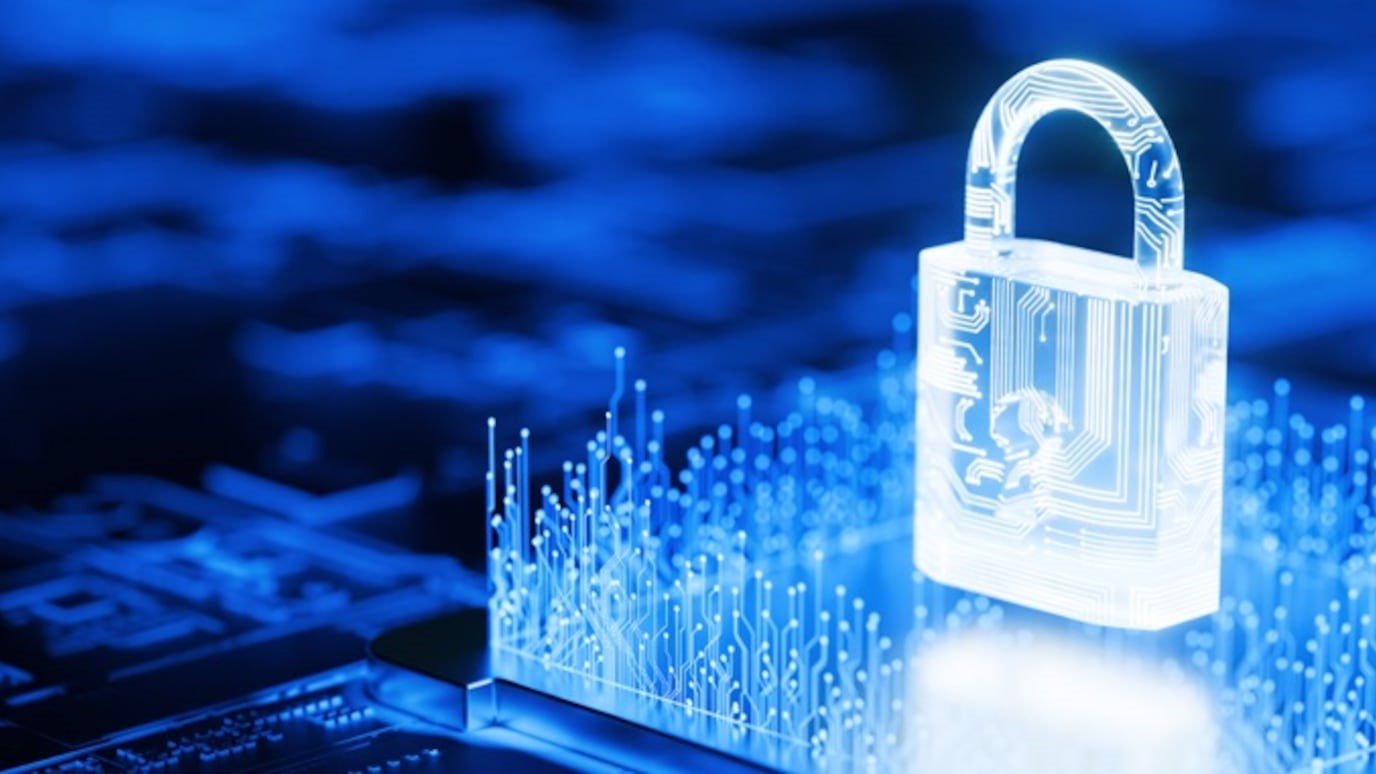
Figure 1. Nokia Pushes Boundaries of Quantum-Safe Networks
Nokia recently shared two key updates on its efforts to advance quantum-safe networks. In the first, the company is leveraging quantum key distribution (QKD), a method that uses quantum physics and specialized hardware to securely generate and share cryptographic keys. While many firms have explored QKD over terrestrial fiber networks, these connections typically max out at around 100 kilometers. To address this limitation, Nokia is partnering with Colt and Honeywell to test a satellite-based QKD solution, aiming to significantly extend the reach of secure quantum communication. The pilot test is scheduled for 2026. Figure 1 shows Nokia Pushes Boundaries of Quantum-Safe Networks.
The commercial launch of satellite-based QKD services is slated for 2027, with the goal of establishing a “one-stop shop” for enterprises seeking to protect data in transit from quantum threats, according to the companies. Meanwhile, Colt is progressing with terrestrial QKD and plans to offer it as a service by the end of this year, further expanding the availability of quantum-safe communication options for businesses.
Nokia, along with CSC and SURF, successfully tested a 3,500km quantum-safe link using post-quantum cryptography (PQC) and symmetric encryption like AES, without relying on QKD. While QKD over long distances faces challenges—especially in subsea deployments—Nokia employs a layered, defense-in-depth approach using SKI, QKD, and PQC based on network needs. The company emphasizes that strong symmetric encryption can still protect against quantum attacks, debunking the notion that QKD is always required for quantum-safe security.
Choosing the Right Solution
The U.S. National Institute of Standards and Technology (NIST) has released the first post-quantum cryptography (PQC) algorithms deemed secure against quantum decryption, with a 2030 deadline for adoption. However, debate continues over the role of quantum key distribution (QKD) [1]. A joint paper from Dutch, French, German, and Swedish authorities argued that QKD remains a niche solution due to its technical limitations, maturity concerns, and high cost—recommending PQC as the priority for widespread adoption. NIST has echoed similar concerns, stating it cannot endorse QKD unless key challenges are resolved. On the other hand, proponents argue that QKD offers unmatched security by relying on the laws of quantum physics, making it ideal for protecting highly sensitive data.
References:
- https://www.lightreading.com/digital-transformation/nokia-tries-to-make-quantum-safe-networks-go-the-distance
Cite this article:
Janani R (2025), Nokia Aims to Extend the Reach of Quantum-Safe Networks, AnaTechMaz, pp. 200
Recent Post
-
Ekinops Enhances Global Caribbean Network Subsea Cable
Global Caribbean Network (GCN) has enhanced its subsea cable network by deploying the...
-
Four Arrested Over M&S and Co-op Cyberattacks
Four individuals, including three teenagers, have been arrested in connection with a series...
-

Huawei Leads Industry Partners in Official Release of SRv6 Compression Standard RFC 9800
On June 30, 2025, the Internet Engineering Task Force...
-
Mira Security: Darktrace’s Strategy to Bridge the Encryption Gap
AI cybersecurity firm Darktrace is addressing a major industry blind spot through its acquisition of network...
-
Nokia Aims to Extend the Reach of Quantum-Safe Networks
As interest in quantum-safe networks grows among telecom providers, Nokia is focused on extending the range...
-

Relativity Networks Raises Additional $6M in Seed Funding
Relativity Networks secured $6.1 million in a new seed funding round led by Prysmian, GOVO Venture Partners....
-

Zayo Announces 400G Enablement Across North America Network
Responding to growing AI demand, Zayo announced that its North American core network is now...
-
A Closer Look at Spectrum-X: Nvidia’s Ethernet Networking Platform
At Computex 2024, much of the spotlight was on Rubin—the...
-
Wireless Airy Beams Bend Around Indoor Obstacles to Deliver Seamless High-Speed Connectivity
High-speed wireless signals come with a flaw: they can’t penetrate walls...
-

Forward Networks Joins Infoblox Technology Alliance to Enhance Network Assurance
Forward Networks, a leader in network digital twin technology, has joined ...
-
SNI5GECT Exploit Bypasses 5G Security Without Needing Fake Towers
A new open-source framework called SNI5GECT enables attackers to...
-

Xenorat Malware Campaign Targets Several Embassies in South Korea
A state-backed espionage operation has been targeting foreign embassies in South Korea, deploying...
-

ERMAC Android Malware Source Code Leak Reveals Banking Trojan Framework
The source code for ERMAC v3.0, an Android banking trojan, has...
-

PyPI Introduces New Safeguards to Prevent Domain Resurrection Attacks That Could Lead to Account Hijacking
The Python Package Index (PyPI)...